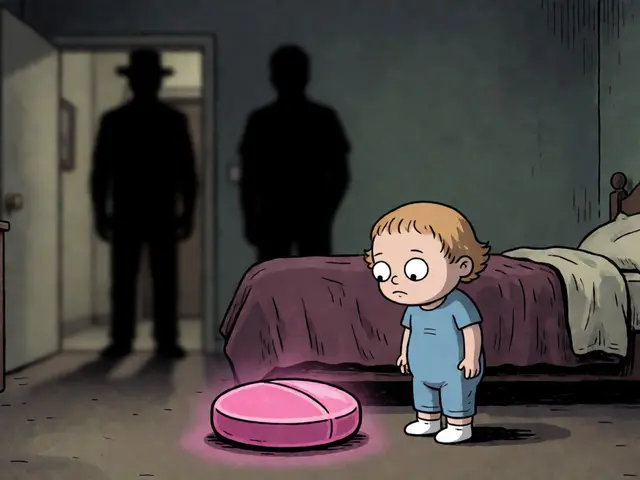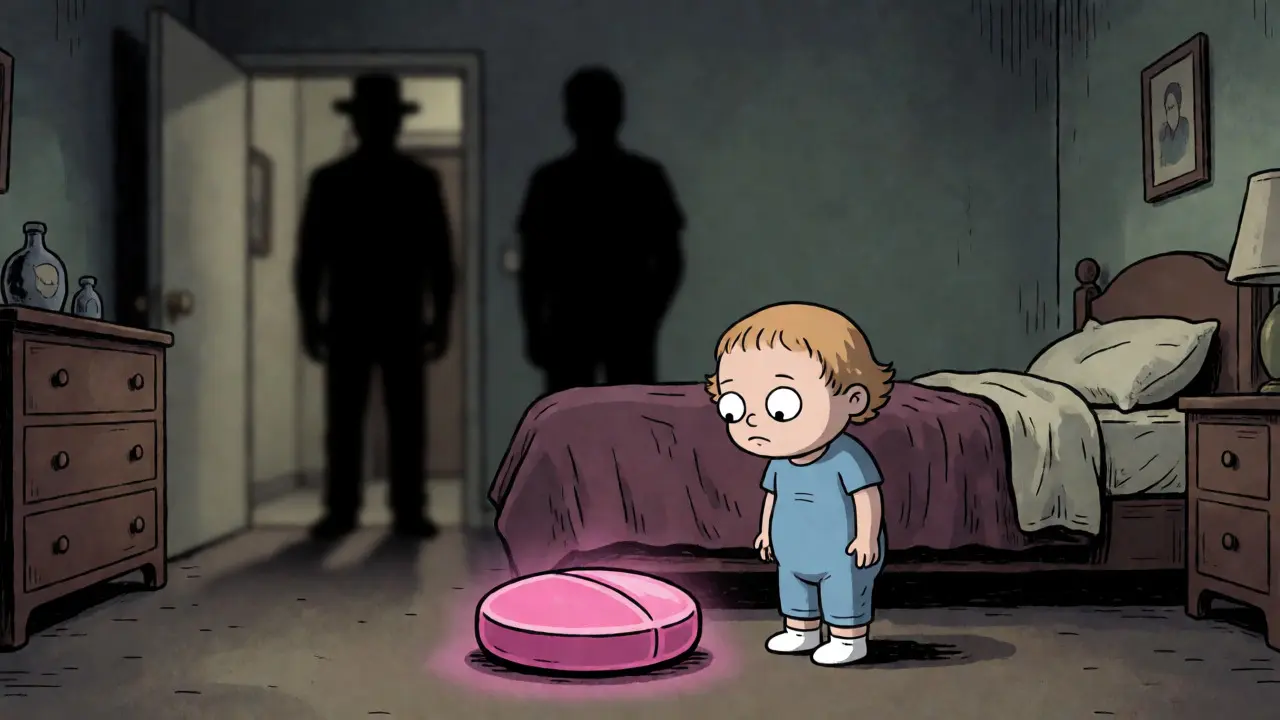
You might think a single vitamin pill is harmless to a toddler. But for a two-year-old, one iron tablet can be fatal. It’s not just about vitamins; it’s about the opioids, heart meds, and diabetes drugs sitting in your bedside drawer. According to the American Academy of Pediatrics, roughly 50,000 children under five end up in emergency rooms every year because they swallowed something they shouldn’t have. The scary part? Most of these incidents happen right where you feel safest: your home or their classroom.
So, how do we stop this without turning parenting into a paranoid nightmare? You don’t need a medical degree. You need a strategy that works for your child’s age and fits into your daily routine. Whether you’re managing prescriptions at home or navigating school health forms, teaching medication safety early creates habits that stick. Let’s break down exactly what to teach, when to teach it, and how to make sure schools are actually following through.
Why Your Child’s Brain Treats Medicine Like Candy
Here’s a fact that should change how you talk to your kids: calling medicine "candy" increases ingestion risk by 220%. That’s not an exaggeration. Dr. Richard Dart from the Rocky Mountain Poison and Drug Center found this in a study of over 1,200 poisoning cases. Kids are visual learners. If a bright pink liquid tastes like strawberry syrup, their brain files it under "treat," not "drug."
This isn’t just about taste. It’s about imitation. A 2021 FDA study showed that 78% of toddlers aged two to three will copy a parent taking a pill within sixty seconds. If you pop a headache tablet while making dinner, your kid sees you doing it and wants to do it too. They don’t understand dosage. They don’t understand side effects. They see Mommy or Daddy taking something, so they assume it’s safe for them.
The solution starts with language. Ban the word "candy" from your medicine cabinet vocabulary. Use consistent phrases like "medicine is not candy." This simple rebranding helps separate the concept of medication from the concept of reward. It sounds small, but when combined with proper storage, it builds a mental barrier against accidental swallowing.
Age-Appropriate Lessons: What to Teach When
One size does not fit all. A three-year-old learns differently than a seven-year-old. The FDA’s "As They Grow" initiative breaks this down into clear developmental stages. Trying to teach label reading to a toddler is futile. Trying to hide meds from a curious eight-year-old who knows exactly where you keep them requires a different approach.
| Age Group | Key Safety Skill | Actionable Tip |
|---|---|---|
| 3 Years Old | Recognize that only adults give medicine. | Practice giving "found pills" to an adult instead of tasting them. |
| 5 Years Old | Understand medicines stay out of reach. | Let them personalize their own medicine bottle with stickers. |
| 6 Years Old | Start tracking timing and labels. | Have them help read the label aloud with you before a dose. |
| 7 Years Old | Verify instructions independently. | Ask them to check if the name on the bottle matches the doctor’s order. |
| 8 Years Old | Know their exact weight for dosing. | Discuss why doses change as they grow heavier. |
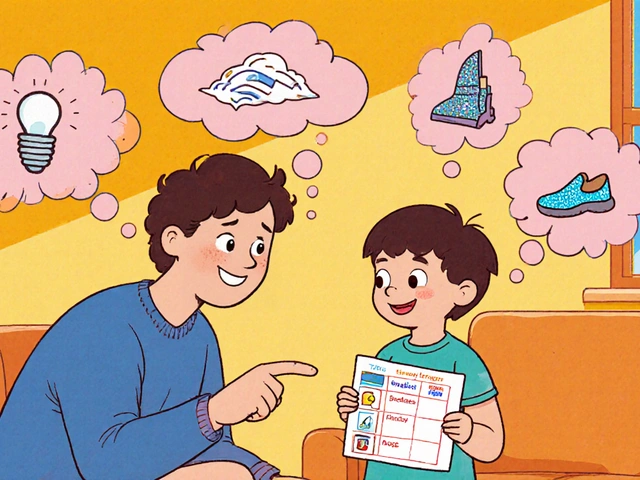
For younger kids, role-playing works wonders. Programs like Generation Rx’s "Medication Safety Patrol" use games to teach kids to identify medications versus candy. It’s active learning. For older kids, involve them in the process. Let them ask the pharmacist questions. This shifts them from passive recipients to active participants in their own health.
Home Storage: The 'Up and Away' Rule
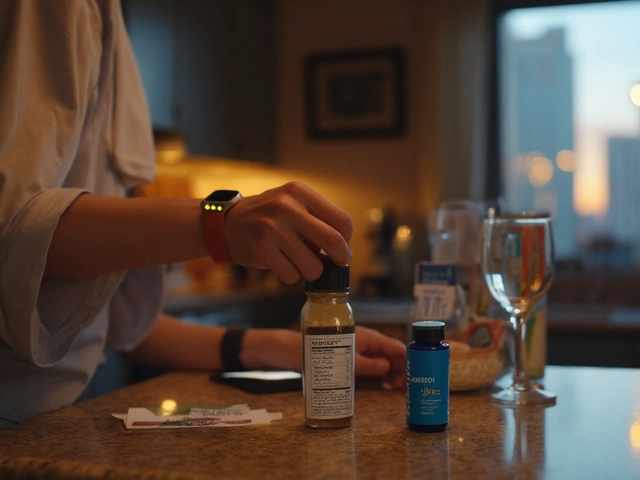
We’ve all been there. You put the painkillers on the nightstand for convenience. Then you leave the room. Ten minutes later, you find the cap off and half the pills gone. Bedside tables are the number one spot for accidental ingestions, accounting for 18% of cases reported by parents. Kitchen counters come second at 15%, followed closely by purses at 8%.
The CDC’s PROTECT Initiative pushes a simple mantra: "Up and Away." This means storing medicines high enough that a child cannot climb to them, and away from areas where they play or eat. But height alone isn’t enough. Child-resistant caps fail more often than you’d think. Only 29% of parents rely solely on caps and get it right; 86% succeed when using locked storage.
If you have young children, invest in a lock box. Look for boxes meeting ASTM F2057-22 safety standards. They’re inexpensive and effective. Also, consider the "grandparent gap." A CDC survey found that 79% of grandparents don’t follow storage guidelines when kids visit. Why? Because they keep meds in purses or suitcases. If you’re hosting grandkids, ask them to stash their bags in a closet or a locked room. It’s a polite request that prevents a trip to the ER.
School Policies: Who Is Responsible?
When your child leaves for school, you hand over control. But do you know who holds the keys to their medicine cabinet? In the UK and US alike, school nurse coverage varies wildly. The National Association of School Nurses reports that only 39% of US schools have full-time nurses. In rural districts, that number drops further, with 68% lacking consistent nursing coverage.
This creates gaps. If a teacher has to administer asthma inhalers or ADHD meds, are they trained? Head Start programs mandate strict protocols, requiring staff to complete state-mandated training covering consent, labeling, and side effect recognition. Private childcare centers lag behind, with only 47% implementing formal administration protocols compared to 92% in Head Start settings.
Don’t assume. Ask your school for their written medication policy. Key questions to ask:
- Who physically administers the medication?
- Is there a logbook, and can I review it?
- What happens during field trips or recess?
- How are errors reported?
A 2021 case study from Columbus City Schools showed that implementing structured curricula reduced medication-related incidents by 34%. Schools that treat medication safety as part of health education, rather than just administrative paperwork, see better outcomes.
Dosing Errors: The Spoon vs. Syringe Debate
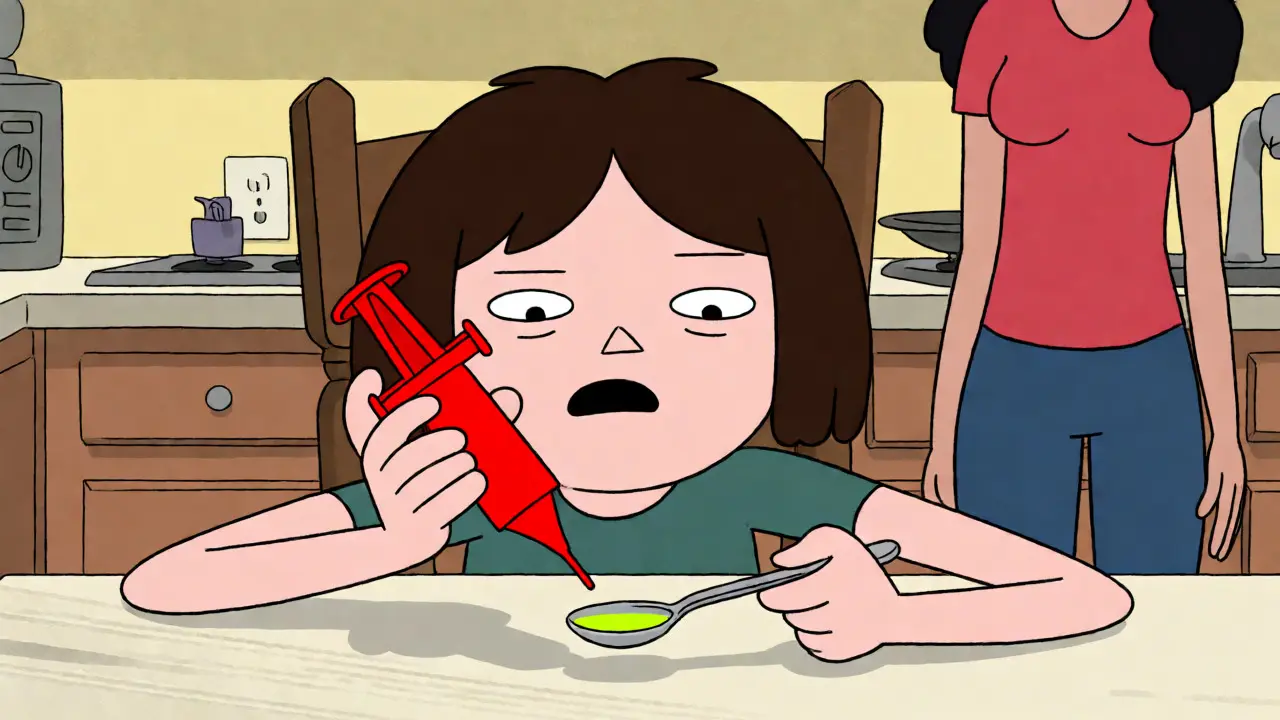
Ever tried to measure 5ml of cough syrup with a kitchen teaspoon? It’s inaccurate. Pediatric pharmacologists warn that using household spoons creates measurement errors ranging from 40% to 98%. That’s huge. Underdosing means the child doesn’t get relief. Overdosing can lead to toxicity, especially with acetaminophen or ibuprofen.
Always use the device that comes with the medication. If it’s lost, go to the pharmacy. Most pharmacies provide oral syringes for free. They have clear markings. Teach your older children to use them correctly. By age six, they should be able to draw up a dose with supervision. This hands-on practice reinforces precision and responsibility.
Also, watch out for liquid formulations. Recent data shows a 45% increase in liquid medication exposures among children under five. Why? Bright colors and sweet flavors. Some manufacturers are now discussing adding bitterants to pediatric liquids to discourage accidental sipping, but until then, treat every liquid med like a potential trap.
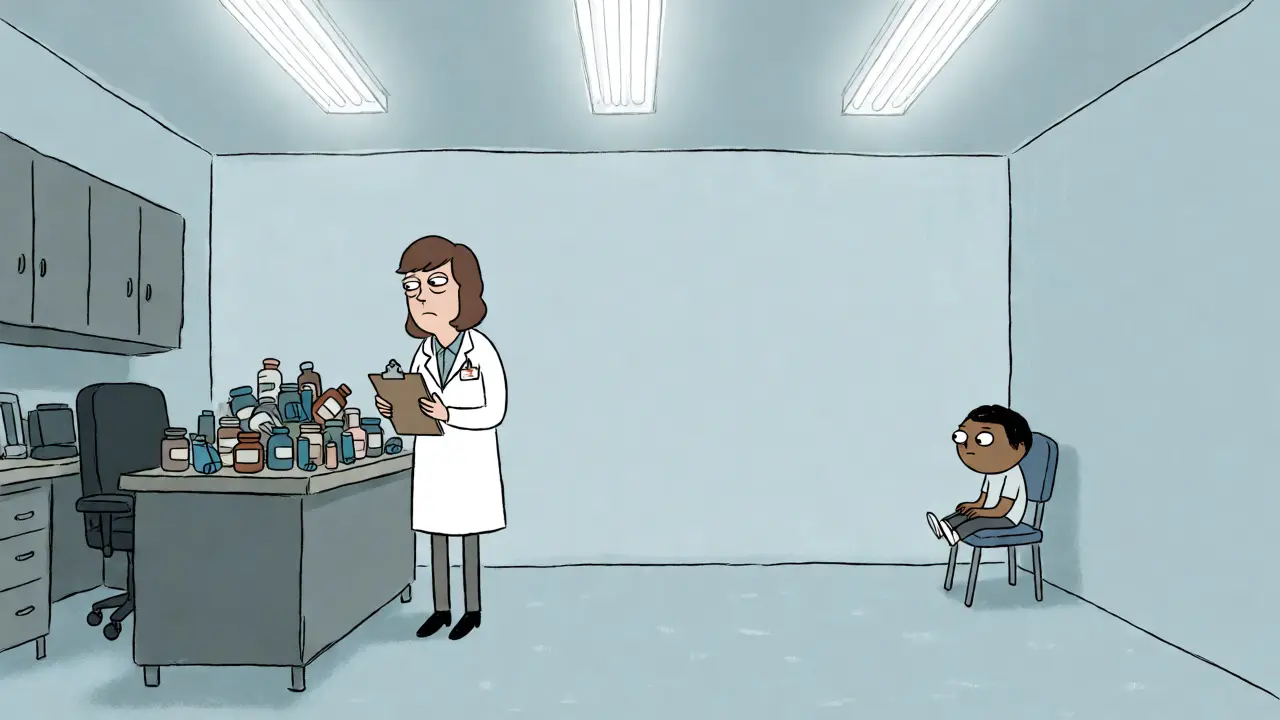
Emergency Prep: Know the Number
Speed matters. The National Poison Control Center reports that 91% of calls regarding child medication exposure happen within an hour of the incident. You need to act fast.
Program the Poison Help number (800-222-1222 in the US) into every phone in the house. Not just yours. Grandparents’ phones, babysitters’ phones, and even smartwatches. Keep the original packaging of any medication you suspect was ingested. The label tells the poison center exactly what ingredients and concentrations were involved. Don’t induce vomiting unless told to do so. Modern guidelines advise against it for many substances.
Documentation is also critical. Incomplete logs cause 18% of pediatric medication errors. If you manage multiple children’s meds, use a shared digital calendar or a physical whiteboard. Note the time given, the dose, and who gave it. This prevents double-dosing, which is common during chaotic mornings or transitions between caregivers.
Bridging the Gap to Adolescence
Most safety programs stop at age ten. But prescription misuse peaks at sixteen. Dr. Stephen Wallace notes that we’re failing to address adolescent-specific risks. Teens aren’t accidentally swallowing pills; they’re experimenting or misusing them for anxiety or focus.
Keep the conversation going. Talk about why sharing prescription stimulants is risky. Explain that "just one" can interact with other substances or underlying conditions. Move from "don’t touch my meds" to "here’s why your body reacts differently." This shift respects their growing autonomy while maintaining safety boundaries.
Can I store medicine in the bathroom?
Generally, no. Bathrooms are humid and warm, which can degrade certain medications, making them less effective or potentially harmful. Additionally, bathrooms are accessible to children. Stick to cool, dry places like a bedroom closet or a kitchen cabinet high up and out of reach.
What if my child takes someone else's medication?
Call the Poison Help line immediately (800-222-1222 in the US). Do not wait for symptoms to appear. Have the medication bottle ready to tell the operator the drug name, strength, and estimated amount ingested. Even if it seems minor, professional guidance is essential.
Are child-resistant caps foolproof?
No. Studies show that up to 86% of children can open child-resistant caps after repeated attempts. Caps are a deterrent, not a guarantee. Always combine them with "up and away" storage practices, such as locking cabinets or placing bottles on high shelves.
How do I handle medication during school field trips?
Check your school’s specific policy. Many require you to provide the medication in its original container with a signed permission form. Ensure the chaperone has access to it and knows how to administer it. For life-saving meds like EpiPens, ensure the child carries it if age-appropriate, or that the chaperone has immediate access.
Should I let my child choose their medicine flavor?
Yes, if available. Allowing choice gives them a sense of control and can improve compliance. However, reinforce that flavored medicine is still medicine, not candy. Avoid comparing the taste to sweets; instead, compare it to other non-candy foods or simply acknowledge it tastes different.