UV Protection: What You Need to Know About Sun Safety and Skin Health
When you step outside, your skin is exposed to ultraviolet radiation, invisible rays from the sun that can damage skin cells and lead to long-term health risks. Also known as UV rays, this radiation comes in two main types—UVA and UVB—that both contribute to skin aging and cancer, even on cloudy days. UV protection isn’t a summer-only concern. It’s a daily habit that keeps your skin healthy for life.
Many people think sunscreen is the only thing that matters, but sun safety, a broader approach to reducing UV exposure. Also known as sun protection, it includes wearing hats, seeking shade, and avoiding midday sun. Clothing with UPF ratings, UV-blocking sunglasses, and even window films in cars and homes play real roles in cutting exposure. The skin cancer prevention, the practice of reducing risk factors for melanoma and other skin cancers. Also known as dermatological protection, it’s not just for fair-skinned people—everyone, regardless of skin tone, needs it. Studies show that consistent UV protection can lower melanoma risk by up to 50% over time.
Not all sunscreens are created equal. Look for broad-spectrum formulas with SPF 30 or higher, and reapply every two hours—or after swimming or sweating. But even the best sunscreen won’t work if you’re using it wrong. Most people apply only 25–50% of the amount needed. And don’t forget often-missed spots: ears, back of the neck, lips, and tops of feet. UV exposure doesn’t just come from direct sunlight; it reflects off sand, water, snow, and even concrete.
You’ll find articles here that go beyond basic tips. Learn how certain medications make your skin more sensitive to the sun, why some sunscreens fail in real-world use, and how to choose products that actually protect without harmful chemicals. We cover what works for kids, older adults, and people with skin conditions. You’ll also see how UV protection connects to other health topics—like eye health, vitamin D balance, and even how some skin treatments affect sun sensitivity.
Whether you’re managing a skin condition, taking meds that increase sun risk, or just tired of premature wrinkles, the right UV protection strategy makes a difference. The posts below give you clear, no-fluff advice based on real medical guidance—not marketing hype. You’ll walk away knowing exactly what to do, what to avoid, and why it matters.
Melanoma: How to Prevent, Detect, and Treat Skin Cancer Early
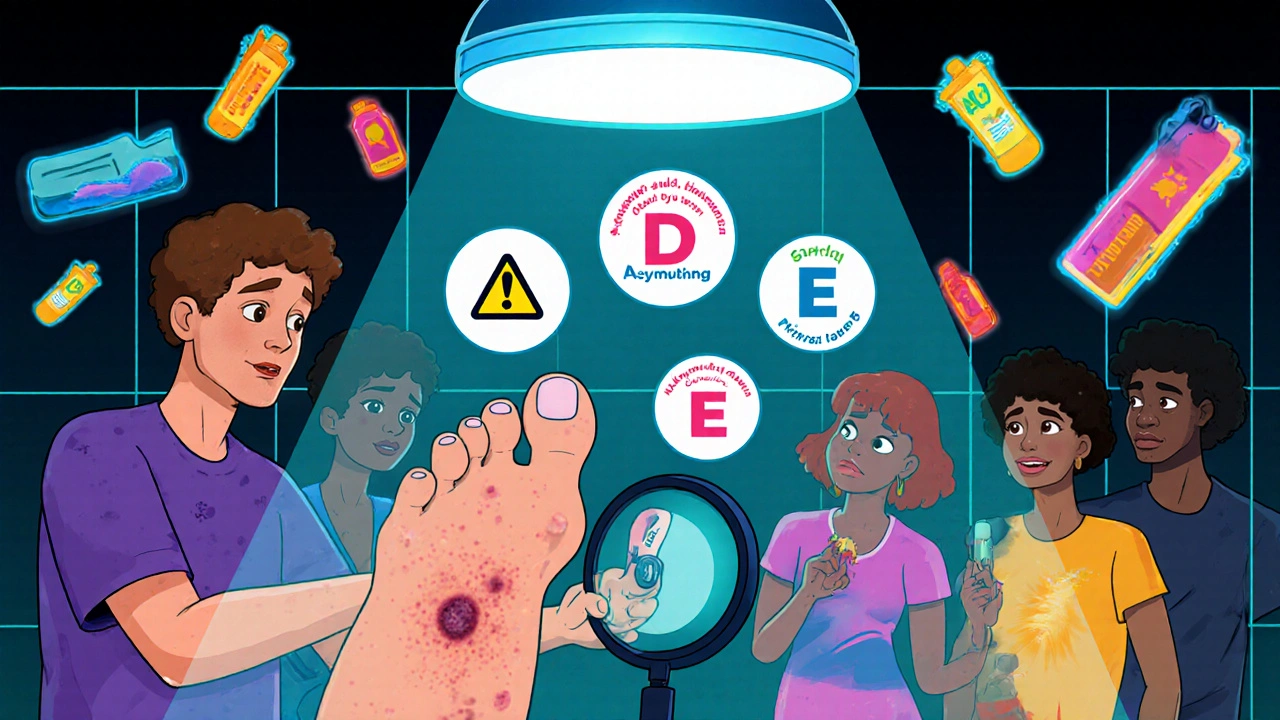
Melanoma is the deadliest skin cancer, but early detection can lead to a 99% survival rate. Learn how to prevent it with UV protection, spot warning signs using the ABCDE rule, and understand modern treatments that are saving lives.