Tyramine: What It Is, Why It Matters, and How It Affects Your Medications
When you eat aged cheese, cured meats, or fermented soy, you’re consuming tyramine, a naturally occurring compound formed when amino acids break down in food during aging, curing, or fermentation. Also known as 4-hydroxyphenethylamine, it’s harmless for most people—but for those on certain medications, it can trigger a sudden, dangerous spike in blood pressure.
Tyramine doesn’t cause problems on its own. The real risk comes when it meets MAO inhibitors, a class of antidepressants and Parkinson’s drugs that block the enzyme responsible for breaking down tyramine in the body. Without that enzyme, tyramine builds up, forcing your body to release massive amounts of norepinephrine. That’s what causes the spike—sometimes to life-threatening levels. This isn’t a myth. It’s why doctors give strict dietary warnings to people taking drugs like phenelzine, tranylcypromine, or selegiline. Even a small amount of tyramine-rich food can do damage. And it’s not just pills—some over-the-counter cough syrups and supplements can also interfere.
The connection between tyramine and hypertension, a condition where blood pressure stays abnormally high is direct and well-documented. A single serving of blue cheese or draft beer has triggered emergency room visits in patients unaware of the risk. That’s why understanding which foods contain tyramine isn’t just about diet—it’s about safety. You’ll find it in aged cheeses like parmesan or cheddar, smoked or cured meats like salami and pepperoni, tap beer, soy sauce, sauerkraut, and even overripe bananas. It’s not always obvious. Some people think they’re eating "healthy" foods and don’t realize they’re walking into a danger zone.
What makes this even trickier is that not everyone on MAO inhibitors reacts the same way. Some people can tolerate small amounts without issue. Others can’t. That’s why the advice isn’t one-size-fits-all. Your doctor will tailor your restrictions based on your medication, dosage, and health history. But if you’re unsure, it’s always safer to assume the worst. And if you’re on a different kind of medication—like certain ADHD drugs or decongestants—you should still ask. Tyramine doesn’t just play nice with MAOIs. It can interact with other drugs in ways that aren’t always listed on labels.
The posts you’ll find here cover real-world cases where tyramine slipped under the radar. From patients mixing old antidepressants with leftover pizza to caregivers missing the warning signs in elderly patients on Parkinson’s meds, these stories show how easily things go wrong. You’ll also find guides on reading medication labels for hidden risks, using drug interaction checkers safely, and understanding why some people need to avoid certain foods while others don’t. This isn’t about fear. It’s about awareness. If you or someone you care for is taking medication that affects how your body handles tyramine, knowing what to avoid could prevent a hospital visit—or worse.
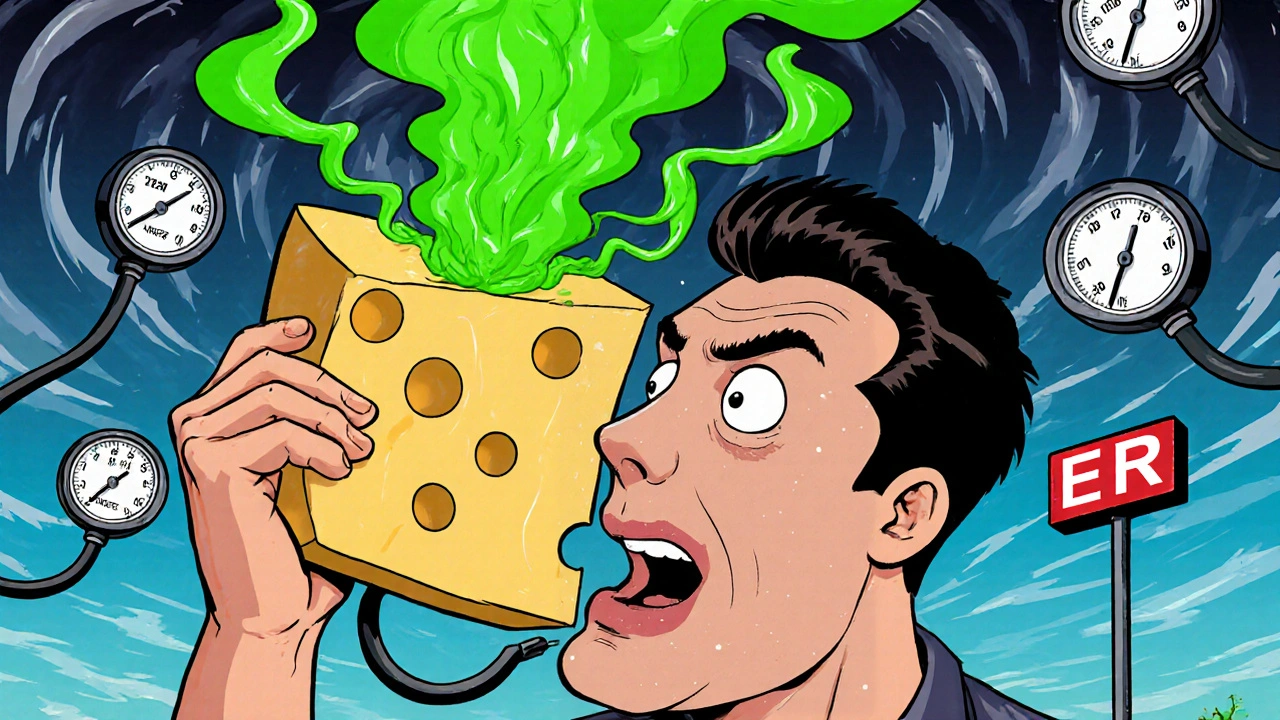
Aged Cheeses and Processed Meats: Dangerous Interactions with MAOI Medications
Aged cheeses and processed meats contain tyramine, which can cause life-threatening blood pressure spikes in people taking MAOI antidepressants. Learn which foods to avoid, safe alternatives, and how to manage this dangerous interaction.