TCA Side Effects: What You Need to Know About Tricyclic Antidepressants
When you hear tricyclic antidepressants, a class of older antidepressants that work by balancing brain chemicals like serotonin and norepinephrine. Also known as TCAs, they were once the go-to treatment for depression, anxiety, and chronic pain—but their use has dropped because of how they affect the body. Unlike newer drugs, TCAs don’t just target mood—they touch your heart, digestion, nerves, and even your eyes. That’s why TCA side effects aren’t just minor annoyances. They can be serious, and knowing them isn’t optional—it’s essential for staying safe.
One of the most common TCA side effects is dry mouth, which might sound harmless until you’re struggling to swallow or your teeth start to decay. Drowsiness is another big one; many people can’t drive or operate machinery safely in the first few weeks. Then there’s blurred vision, constipation, weight gain, and low blood pressure that makes you dizzy when you stand up. These aren’t rare. In fact, studies show over half of people on TCAs report at least one of these issues. And if you’re older or have heart problems, the risks go up fast—TCAs can mess with your heart rhythm, which is why doctors check your EKG before prescribing them. clomipramine, a TCA often used for OCD and severe depression, is especially known for causing more side effects than others like amitriptyline, a TCA commonly prescribed for nerve pain and insomnia. Even if your doctor says it’s "safe," you still need to watch for signs like rapid heartbeat, confusion, or trouble urinating—these could mean you’re getting too much.
What’s missing from most doctor visits is the real talk about how these side effects change daily life. You might feel too tired to exercise, too dry-mouthed to enjoy food, or too dizzy to walk the dog. And if you’ve tried SSRIs and they didn’t work, TCAs might be your next step—but you shouldn’t just accept the side effects as part of the deal. There are ways to manage them: timing doses at night for drowsiness, chewing sugar-free gum for dry mouth, staying hydrated, and moving slowly when standing. But the biggest mistake people make? Stopping cold turkey. That can trigger withdrawal headaches, nausea, and even rebound anxiety. If side effects are unbearable, talk to your doctor about tapering, not quitting.
Below, you’ll find real-world guides from people who’ve been there—how to read labels to avoid dangerous combos, how to spot when side effects turn dangerous, and what alternatives actually work better with fewer risks. These aren’t theoretical tips. They’re from folks who’ve lived with TCAs and figured out how to survive them without giving up on treatment.
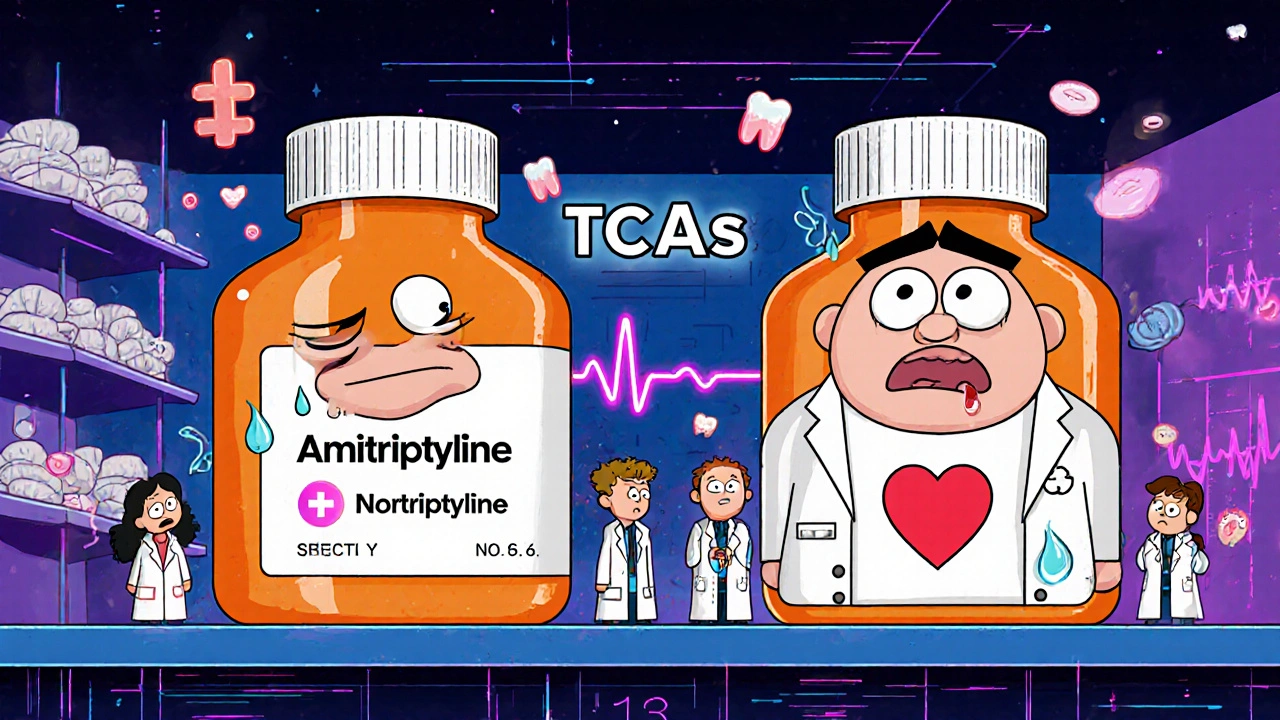
Tricyclic Antidepressant Side Effects: Amitriptyline, Nortriptyline, and Other TCAs Explained
Tricyclic antidepressants like amitriptyline and nortriptyline are still used for chronic pain and treatment-resistant depression, but they come with serious side effects including dry mouth, dizziness, heart risks, and cognitive decline-especially in older adults.
Recent Post
-

7 Alternative Options to Prednisone in 2025
Mar, 31 2025