Support Autistic Child – Guidance, Strategies & Resources
When working with support autistic child, providing tailored help that respects the child's unique strengths and challenges. Also known as autism assistance, this effort blends medical insight, educational tools, and everyday routines to create a stable environment.
Understanding autism spectrum disorder, a neurodevelopmental condition marked by social, communication, and sensory differences is the first step. From there, behavioral therapy, structured interventions like ABA that teach adaptive skills becomes a core component. special education, classroom adaptations and individualized programs that meet learning needs offers a school‑based bridge, while parental guidance, coachable strategies for families to reinforce progress at home ties everything together.
Key Areas to Consider
Supporting an autistic child encompasses behavioral therapy that targets specific goals, such as communication or self‑regulation. Early intervention influences long‑term outcomes, so starting before school age can boost independence later. Consistent routines reduce anxiety, and sensory-friendly spaces help the child stay calm during transitions.
Parent education requires consistent strategies that align with the child's therapy plan. For example, using visual schedules at home mirrors what the child sees in a special education setting, reinforcing skill generalization. Collaboration between therapists, teachers, and parents creates a unified approach, minimizing mixed messages.
Technology also plays a role. Augmentative and alternative communication (AAC) apps give non‑verbal children a voice, while wearable devices can alert caregivers to rising stress levels. These tools support the broader goal of fostering independence.
Each child's profile is unique, so flexibility matters. Regularly reviewing progress, adjusting goals, and celebrating small wins keep motivation high for both the child and the family. Resources such as community support groups, online forums, and local autism organizations offer practical advice and emotional backing.
Below you’ll find a curated collection of articles that dive deeper into these topics. From practical therapy tips to school accommodation checklists and parent‑focused coping strategies, the posts provide actionable insights you can start using right away.
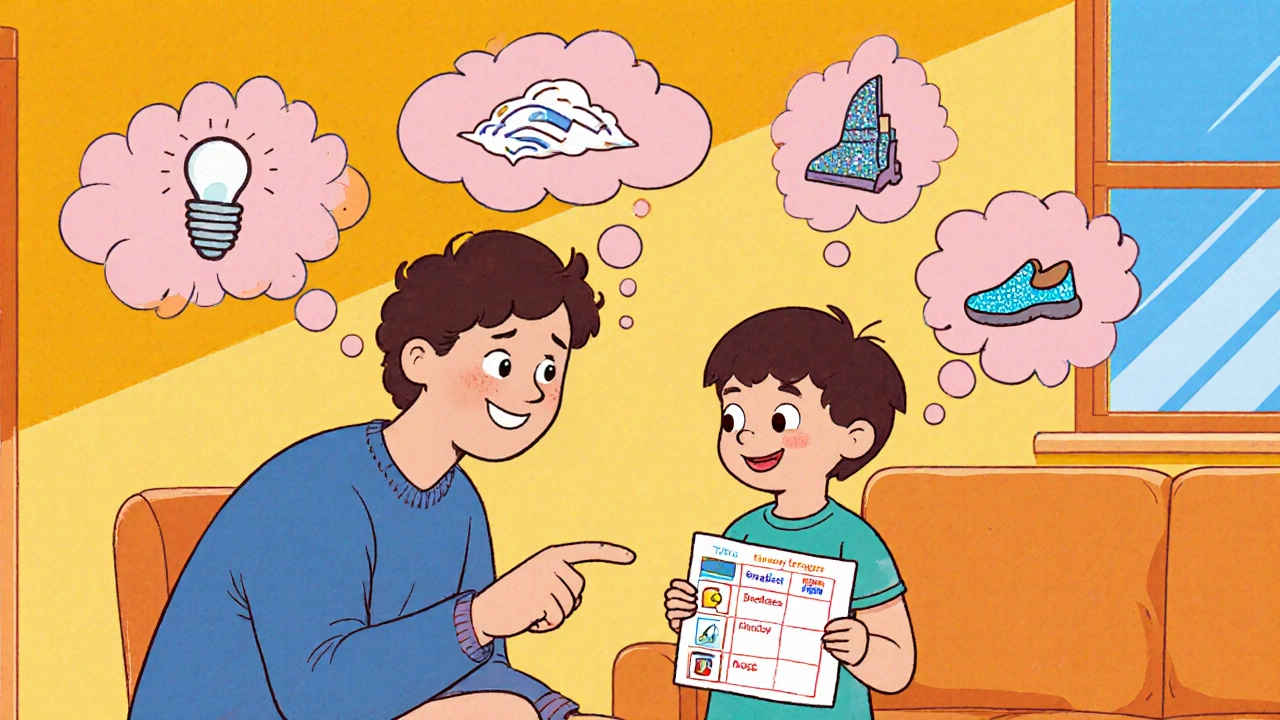
Autism and Parenting Styles: Finding the Right Approach for Your Family
Discover how different parenting styles affect autistic children and learn practical tweaks to create a supportive family approach that works for your unique situation.