St. John's wort risks: What you need to know before taking it
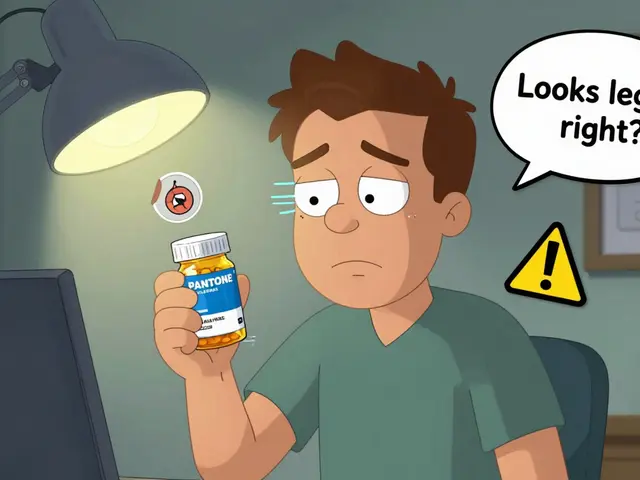
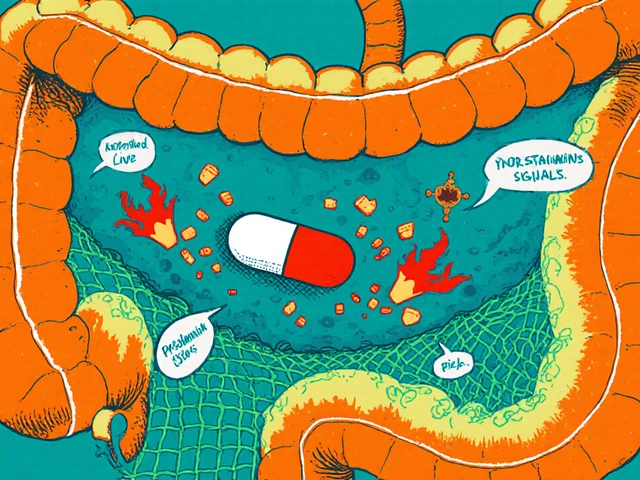
When people look for natural ways to feel better, St. John's wort, a herbal supplement often used for mild depression and anxiety. Also known as Hypericum perforatum, it’s sold in pharmacies and health stores as if it’s harmless. But it’s not a harmless tea—it’s a powerful plant chemical that interacts with your body like a prescription drug. Many think because it’s natural, it’s safe. That’s a dangerous assumption. St. John’s wort doesn’t just sit quietly in your system. It changes how your liver processes other medicines, and that can lead to serious, even life-threatening problems.
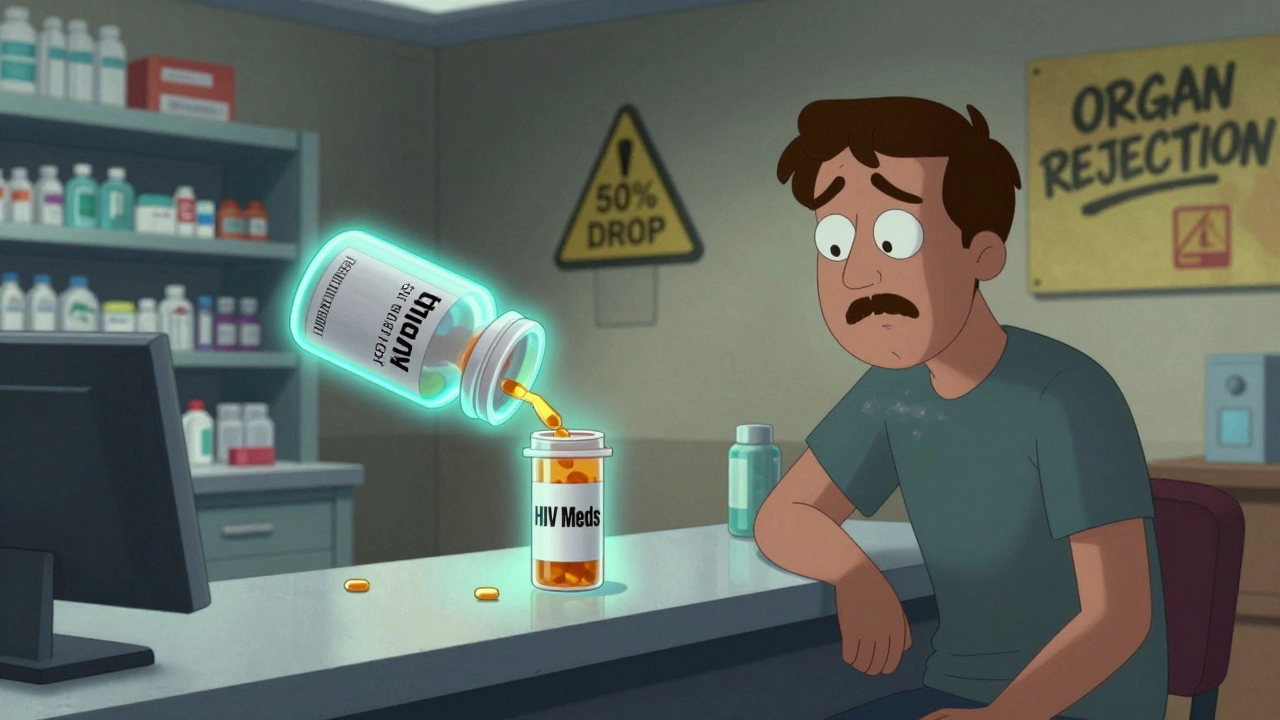
One of the biggest drug interactions, how St. John's wort affects the way other medications work in your body is with antidepressants. If you’re taking SSRIs like sertraline or fluoxetine, mixing them with St. John’s wort can trigger serotonin syndrome, a dangerous buildup of serotonin that causes confusion, rapid heart rate, high fever, and muscle rigidity. This isn’t rare—it’s well-documented in medical journals. People have ended up in the ER because they thought herbal meant safe. And it’s not just antidepressants. St. John’s wort can make birth control fail, reduce the effect of blood thinners like warfarin, and mess with HIV meds, transplant drugs, and even some cancer treatments. There’s no safe gray area here: if you’re on any regular medication, this herb could be ticking a time bomb.
It’s also not as reliable as people think. The amount of active ingredient in each pill or capsule can vary wildly between brands. One bottle might have enough to help your mood; the next might be too weak—or too strong. There’s no FDA oversight like there is for prescription drugs. You’re guessing what you’re getting. And if you’re using it to treat depression, you’re risking worse symptoms if it doesn’t work. Untreated depression is dangerous. Relying on something unproven and unpredictable can delay real treatment.
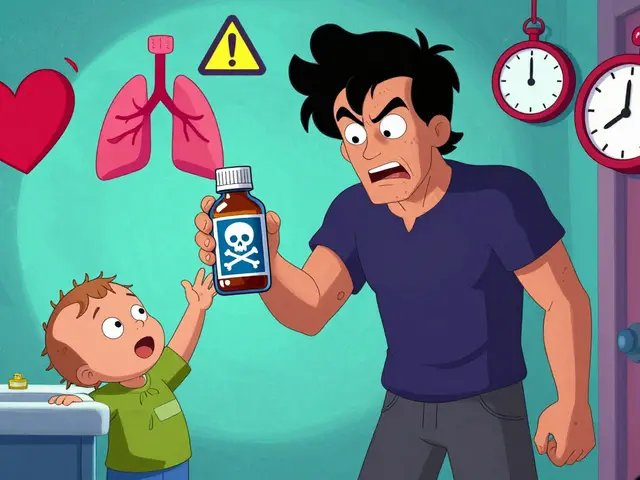
Some people swear by it. Others have had bad reactions. But the science doesn’t lie: St. John's wort is not a gentle alternative. It’s a potent substance with real risks. If you’re thinking about trying it, talk to a pharmacist or doctor first. Don’t assume it’s safe just because it’s on a shelf next to vitamins. The posts below lay out exactly what happens when this herb meets your body, your meds, and your health. You’ll find real cases, clear warnings, and what to watch for—so you don’t become another statistic.
Questions to Ask Before Taking Any Supplement with Medicines
Many people take supplements with their medications without knowing the risks. St. John’s wort, ginkgo, and even vitamin E can interfere with drugs like blood thinners, birth control, and HIV meds. Learn the critical questions to ask before combining any supplement with medicine.