Shelf Life: How Medication Expiration Affects Safety and Effectiveness
When you pick up a prescription, the shelf life, the period during which a medication remains safe and effective under recommended storage conditions. Also known as expiration date, it's not just a marketing detail—it’s a safety cutoff backed by real stability testing. Many people think expired drugs are just less potent, but that’s not always true. Some, like antibiotics or insulin, can break down into harmful compounds. Others, like nitroglycerin or epinephrine, lose effectiveness so fast that using them past their date could be life-threatening.
Storage matters just as much as the date on the bottle. Heat, moisture, and light can wreck a drug long before its shelf life, the period during which a medication remains safe and effective under recommended storage conditions. Also known as expiration date, it's not just a marketing detail—it’s a safety cutoff backed by real stability testing. ends. Keeping your pills in the bathroom? That’s a bad idea. Humidity from showers can degrade tablets faster than you think. Same goes for leaving your insulin in a hot car or storing liquid antibiotics on a sunny windowsill. The pharmaceutical storage, the environmental conditions required to maintain a drug’s chemical integrity and potency guidelines exist for a reason: temperature, humidity, and light exposure directly impact how long your meds work.
And it’s not just about pills. Patches, inhalers, eye drops, and injectables all have their own rules. A used EpiPen sitting in your glove compartment might look fine—but its adrenaline could be half-dead. Same with asthma inhalers: if they’ve been exposed to freezing temps, the propellant might not deliver the right dose. Even over-the-counter stuff like antacids or fiber supplements can lose effectiveness. You might not feel a difference right away, but if your ciprofloxacin doesn’t kill the infection, you risk antibiotic resistance. Or if your insulin doesn’t lower your blood sugar, you could end up in the ER.
The expiration dates, the date beyond which a medication is no longer guaranteed to be safe or effective by the manufacturer you see on your bottles aren’t guesses—they’re based on real-world testing. Manufacturers test drugs under different conditions for years to find out exactly when they start to break down. That’s why some meds last 3 years, others only 1. And while the FDA says many drugs remain stable past their date, they don’t guarantee it. For critical meds, you can’t afford to gamble.
That’s why the posts here cover everything from how to time antacids so they don’t cancel out your antibiotics, to why your go-bag needs a 7-day supply of properly stored meds, to how to read labels so you know when to toss that old bottle. You’ll find real examples: how tyramine in aged cheese clashes with MAOIs, why rigid lenses for keratoconus need clean handling, and how fiber supplements can mess with absorption if you don’t time them right. Every article ties back to one thing: knowing how long your meds last—and how to keep them working—isn’t optional. It’s how you stay safe.

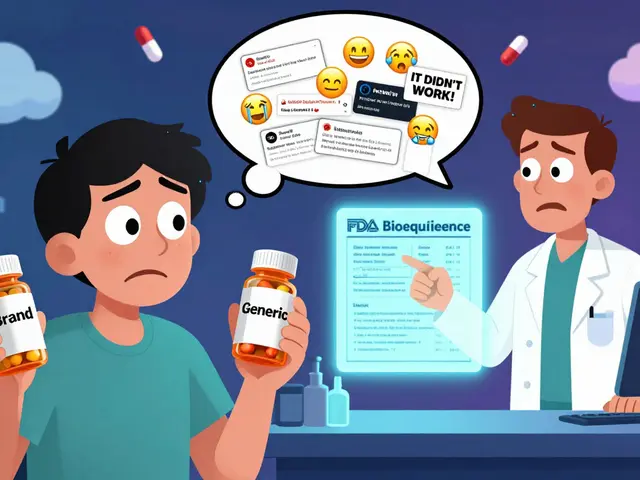
Stability and Shelf Life: How Generic Products Degrade and Why Safety Matters
Stability and shelf life determine whether generic medications remain safe and effective over time. Learn how degradation happens, why storage matters, and what you need to know to protect your health.
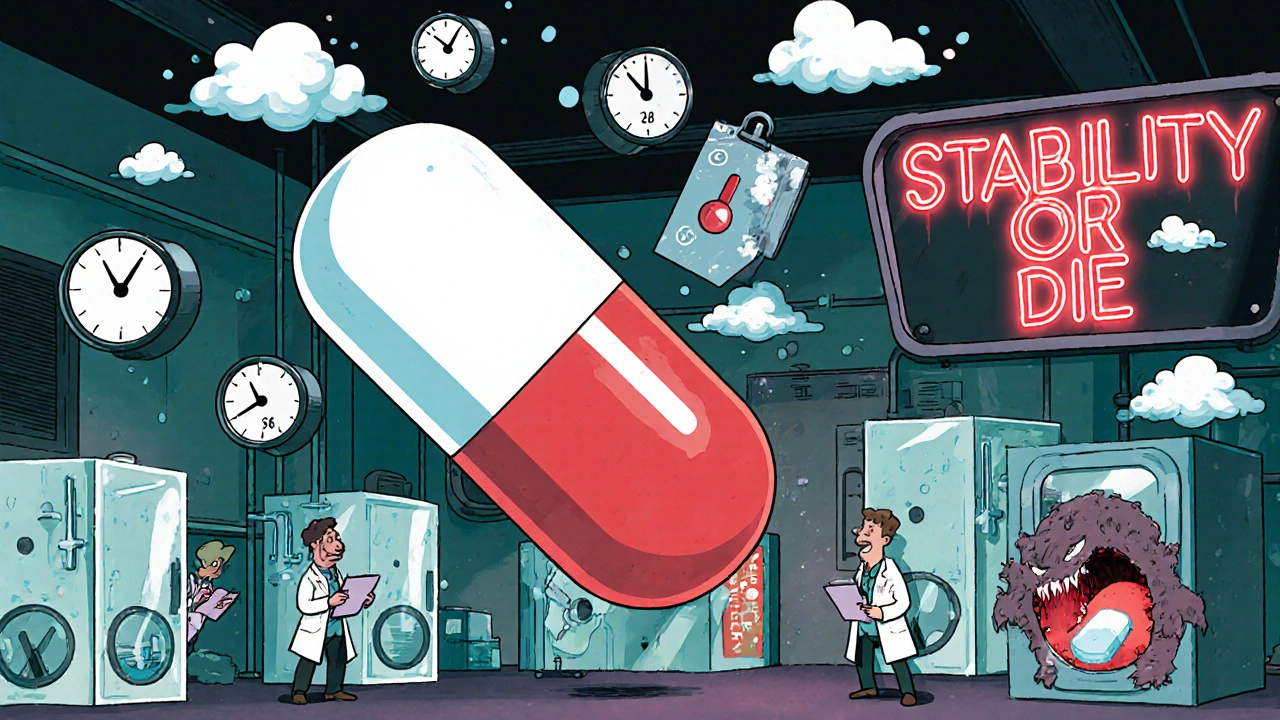
Stability Testing: Long-Term Quality Monitoring Post-Manufacture in Pharmaceuticals
Stability testing ensures pharmaceuticals remain safe and effective over time. It's a rigorous, regulated process that determines shelf life, prevents recalls, and protects patients - backed by ICH guidelines and real-world data.