Risk Benefit Analysis: Weighing Medication Risks Against Real-World Gains
When you take a pill, you’re not just chasing relief—you’re making a risk benefit analysis, the process of comparing the potential positive outcomes of a treatment against its possible harms. Also known as risk-benefit assessment, it’s the quiet calculation doctors and pharmacists run every day to decide if a drug’s upside justifies its downside. This isn’t abstract math. It’s why you take blood thinners even though they can cause bleeding, or why you use seizure meds during pregnancy even when they carry birth defect risks. The goal isn’t to eliminate risk—it’s to make sure the benefit is worth the cost.
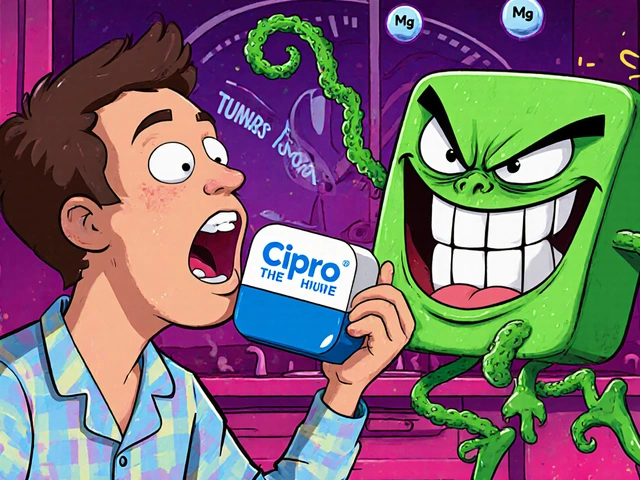
Every medication on your shelf has a therapeutic equivalence code, an FDA rating that tells you if a generic drug performs the same as the brand. Also known as AB code, it’s part of the larger system that ensures safety and effectiveness across generics. But codes don’t tell you everything. What about interactions? A dairy and antibiotic, a common food-drug interaction where calcium blocks absorption of key drugs like doxycycline. Also known as calcium interference, it can slash drug effectiveness by up to 92%. Or what about MAOI drugs, a class of antidepressants that can trigger deadly blood pressure spikes when mixed with aged cheese or processed meats. Also known as tyramine-sensitive medications, they demand strict dietary discipline. These aren’t edge cases—they’re everyday realities that shape how you take your meds.
Stability testing, shelf life, pill organizers, medication guides—these aren’t just buzzwords. They’re tools in your risk benefit analysis. A blister pack reduces overdose risk. A medication guide warns you about antidotes. A pharmacist’s advice on timing antacids and antibiotics can mean the difference between treatment success and failure. The posts below show you how real people navigate these trade-offs: from choosing between authorized generics and traditional ones, to understanding why some patients stick with brand-name drugs even when generics are cheaper. You’ll see how fatigue on beta-blockers changes exercise, how fiber supplements can interfere with absorption, and why a simple CT scan for coronary calcium might change your entire treatment plan. This isn’t theory. It’s what happens when science meets daily life—and how you can make smarter calls, one pill at a time.
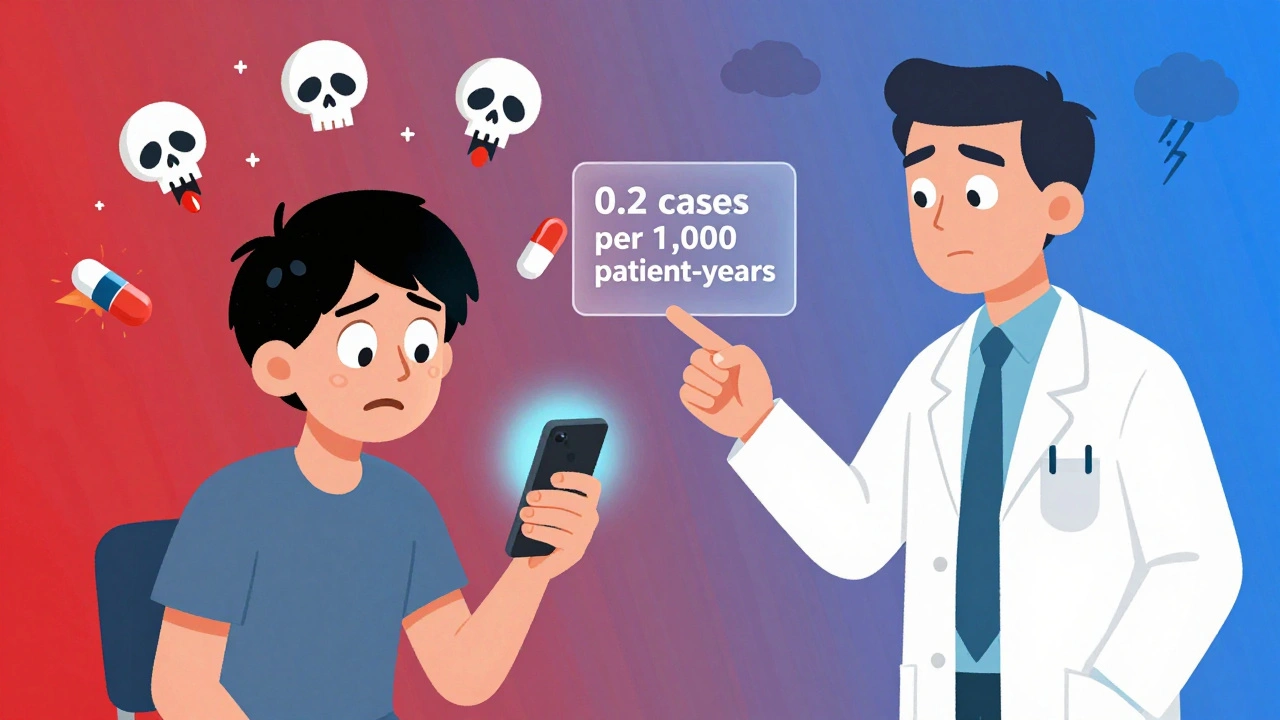
How to Interpret Risk vs. Benefit in FDA Safety Announcements
Learn how to read FDA safety announcements without panicking. Understand the difference between potential signals and confirmed risks, and how to weigh the real benefits against real dangers of your medication.