Prescription Instructions: How to Take Medications Safely and Effectively
When you get a prescription instructions, the specific directions a doctor gives for taking a medication, including when, how much, and for how long. Also known as medication guidelines, these aren’t just suggestions—they’re the difference between healing and harm. Too many people skip reading them, assume they know what to do, or mix pills without thinking. That’s how dangerous drug interactions, when two or more medications react in harmful ways inside the body happen. For example, eating aged cheese while on MAOI antidepressants can spike your blood pressure to life-threatening levels. Or taking nasal decongestants too long and triggering rebound congestion, a condition called rhinitis medicamentosa, a cycle of dependency caused by overusing certain nasal sprays.
It’s not just about what you take—it’s about how you take it. Timing matters. Some pills need to be taken on an empty stomach. Others must be swallowed whole, never crushed. Missing a dose? Taking two to catch up? That’s where dosing guidelines, the precise schedule and amount of medication your body needs come in. Take too much of certain painkillers and you risk liver damage. Take too little of your blood pressure drug and your heart keeps working under strain. Even something as simple as drinking grapefruit juice can mess with how your body absorbs meds like Levitra or statins. And let’s not forget side effects, unintended reactions to medication that range from mild to severe. Some are annoying, like dry mouth from antihistamines. Others, like tremors from certain Parkinson’s drugs, need immediate attention.
Knowing your prescription instructions means understanding your own body’s limits and how your meds interact with food, alcohol, other drugs, and even your sleep schedule. It means checking if your antibiotic works best with or without dairy. It means realizing that stopping a steroid like prednisolone cold turkey can crash your system. It means knowing when to call your doctor—like if your skin starts turning yellow from liver stress, or if your mood swings wildly after starting an antidepressant. This collection of articles gives you real, no-fluff guidance on what to watch for, what to avoid, and how to take control of your treatment. You’ll find breakdowns of common drugs, hidden risks, safer alternatives, and practical tips from people who’ve been there. No jargon. No guesswork. Just clear steps to stay safe and get the most from your meds.
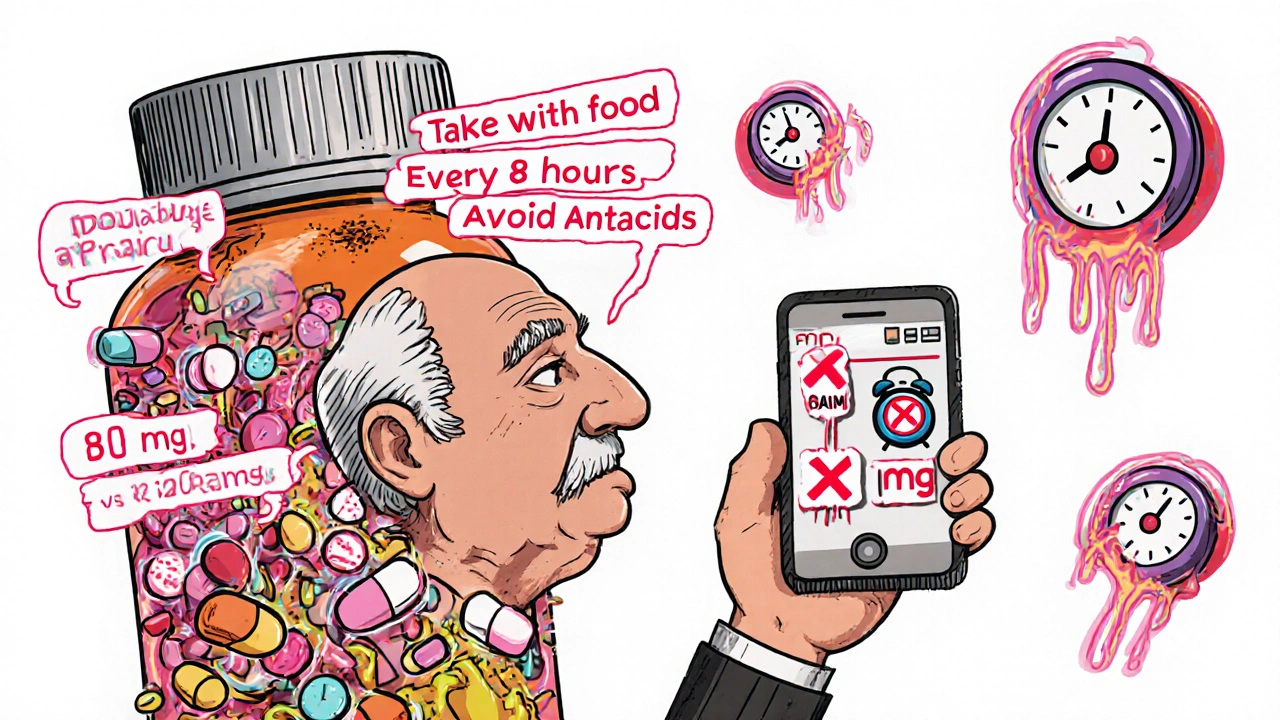
How to Use Label Information to Set Accurate Medication Reminders
Learn how to read your prescription label and use that information to set accurate medication reminders that prevent errors, avoid interactions, and improve adherence. Smart apps can turn tiny print into life-saving schedules.