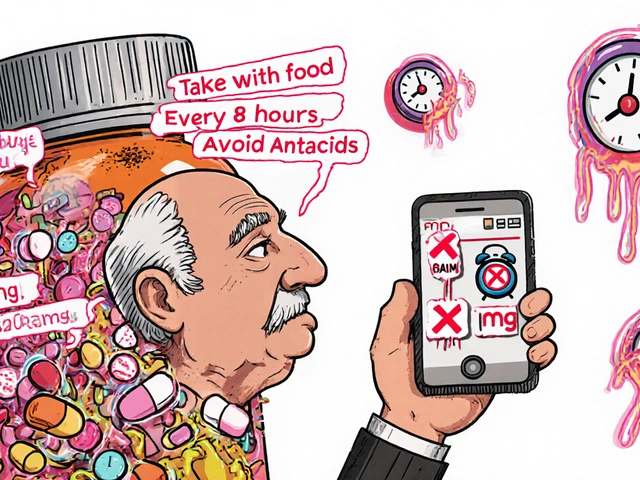
Patient Comfort: Making Medical Care Easy and Pain‑Free
When we talk about Patient Comfort, the practice of reducing physical and emotional strain for anyone receiving medical treatment. Also known as patient ease, it plays a direct role in recovery speed and satisfaction levels. Understanding how to protect patient comfort means looking at the whole experience – from the chair you sit in to the way a drug side effect feels. One core pillar is Discomfort Management, strategies that identify, assess, and relieve pain or unease during treatment. Whether it’s a sore injection site or a restless night in the hospital, managing discomfort early prevents escalation. Another essential piece is Side Effect Mitigation, the proactive steps taken to lessen unwanted reactions from medications. By tweaking dosage, timing, or supportive supplements, clinicians can keep nausea, dizziness, or itching from turning a routine prescription into a source of distress. Together, these elements create a safety net that lets patients focus on healing instead of battling irritation.
Key Areas That Shape Patient Comfort
Physical setup matters just as much as the drugs you take. Ergonomic Support, the use of equipment and positioning that aligns the body and reduces strain can turn a long infusion or a daily pill routine into a comfortable habit. Adjustable beds, supportive cushions, and proper lighting cut muscle fatigue and eye strain, which in turn lowers the chance of anxiety during procedures. When patients feel physically at ease, they are more likely to follow their treatment plan, boosting Medication Adherence, the consistent taking of prescribed medicines as directed. A comfortable environment reduces excuses like “I can’t swallow this pill” or “the IV line hurts,” making compliance smoother. In practice, ergonomic adjustments often require simple tools – a pillow wedge, a phone‑controlled lighting strip, or a sit‑stand desk – yet the impact on comfort scores is measurable. The relationship is clear: Patient Comfort encompasses Discomfort Management, Ergonomic Support influences Medication Adherence, and effective Side Effect Mitigation improves overall ease.
Beyond the chair and the capsule, mental ease rounds out the comfort picture. When clinicians explain why a medication may cause mild dry mouth and how a sip of water helps, they calm fear and empower patients. Simple communication, combined with the physical strategies above, creates a feedback loop: less pain leads to better cooperation, and better cooperation reduces the need for high‑dose interventions, which again cuts side effects. The articles below dive into real‑world examples – from buying cheap generic pain relievers safely, to using ergonomic tips for home‑based care, and choosing the right medication to avoid uncomfortable side effects. By the end of the list you’ll have a toolbox of actionable steps that keep you or your loved one comfortable throughout any treatment journey.
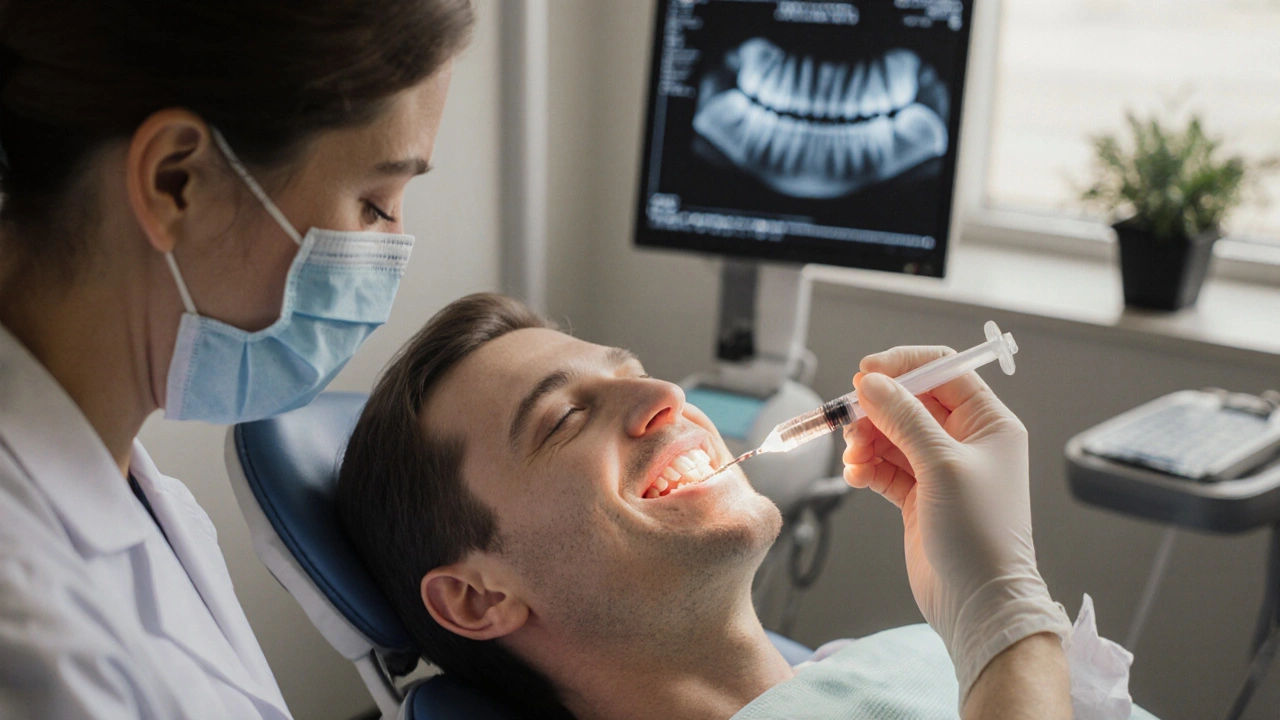
How Local Anesthesia Boosts Minimally Invasive Dentistry
Explore how local anesthesia enhances minimally invasive dentistry, covering drug choices, techniques, safety, patient comfort, and practical guidelines.
Recent Post
-

7 Alternative Options to Prednisone in 2025
Mar, 31 2025