Patent Exclusivity: What It Means for Drug Prices and Access
When you hear patent exclusivity, the legal period during which a drug maker has the sole right to sell a new medication without competition. Also known as market exclusivity, it’s not the same as a patent—though they often overlap. This system was meant to reward innovation, but it’s also why some pills cost hundreds of dollars even when the formula is decades old. The FDA grants this exclusivity to companies that invest in clinical trials, and it can last from 3 to 12 years, depending on the drug type and any special designations like orphan drug status or pediatric studies.
That time window blocks generics from entering the market. generic drugs, chemically identical versions of brand-name medicines that become available after exclusivity ends. Also known as off-patent drugs, they’re often 80% cheaper. But if exclusivity is extended through loopholes—like new formulations, delivery methods, or claims about safety improvements—the delay can stretch out, keeping prices high. You see this in real life with drugs like Humira or EpiPen, where small tweaks kept generics out for years. Meanwhile, patients and insurers pay more than they should.
pharmaceutical patents, the legal protection granted by the U.S. Patent and Trademark Office for new inventions, including drug compounds. Also known as compound patents, they typically last 20 years from filing—but that clock starts long before the drug hits shelves. By the time the FDA approves it, 7–10 years might already be gone. That’s why exclusivity matters: it adds back valuable time to recoup R&D costs. But not all exclusivity is equal. FDA exclusivity, a separate period granted by the FDA that doesn’t depend on patents, often used for new chemical entities, orphan drugs, or pediatric studies. Also known as data exclusivity, it protects clinical trial data from being copied. This is why some drugs stay monopoly-priced even after patents expire.
What you’ll find here are real examples of how exclusivity plays out—from life-saving cancer drugs to everyday medications. Some posts show how patent tricks delay cheaper options. Others reveal how patients and doctors navigate the gap between brand and generic. You’ll see how food-drug interactions, off-label uses, and even pet meds tie into the bigger picture of access and cost. This isn’t theory. It’s what’s on your prescription label, in your pharmacy bill, and in the choices your doctor makes when writing a script.
Patent Exclusivity vs Market Exclusivity: What’s the Real Difference in Drug Protection?
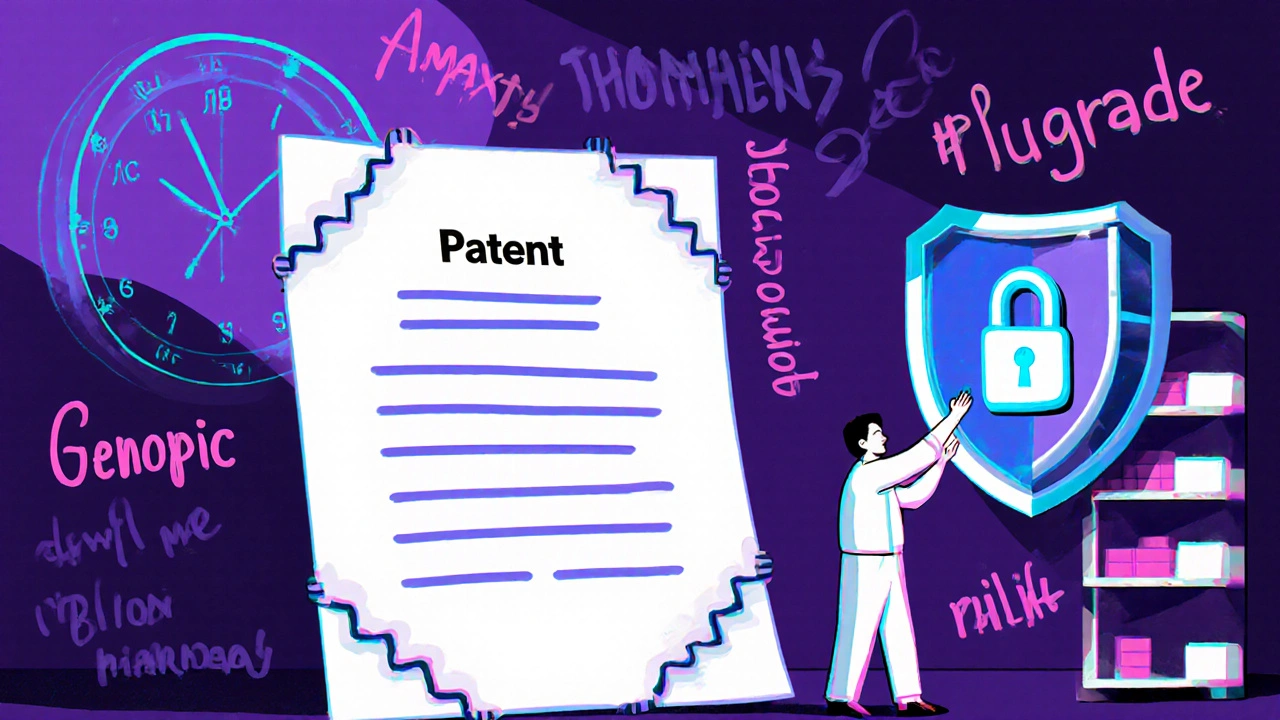
Patent exclusivity and market exclusivity are two separate legal protections for drugs. One comes from the patent office, the other from the FDA. Understanding the difference helps explain why some drugs stay expensive long after patents expire.
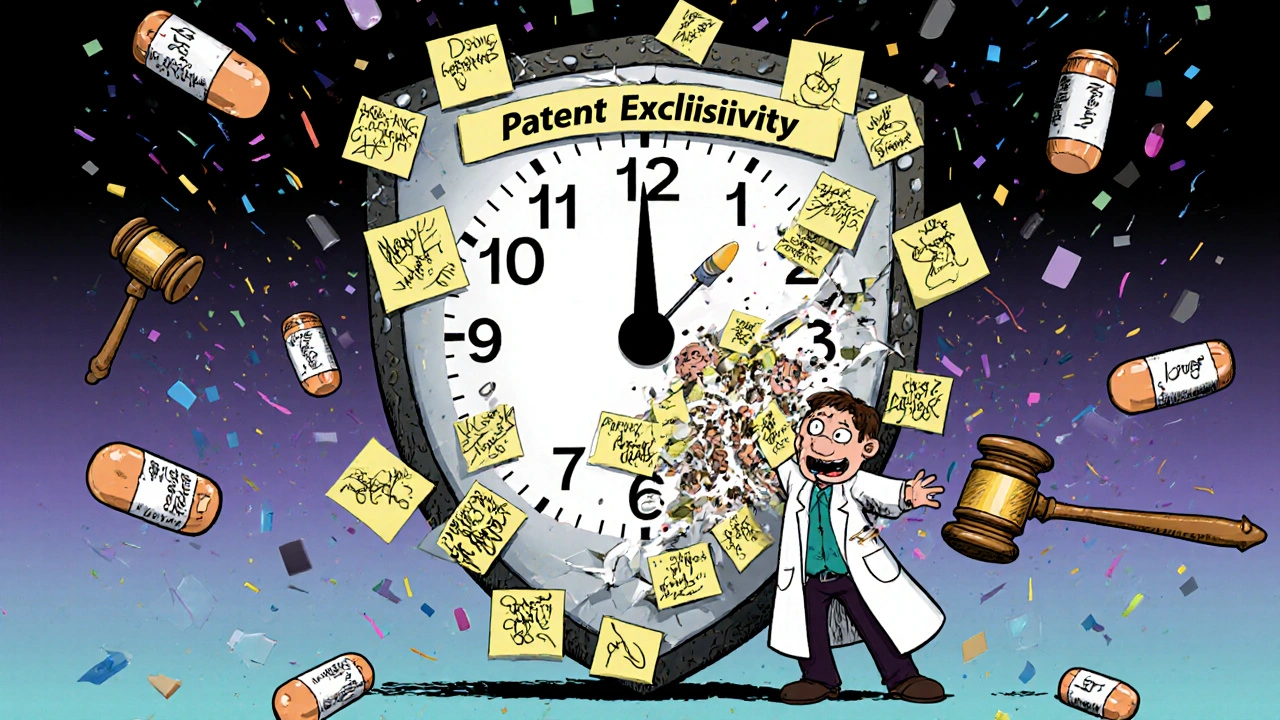
Patent Exclusivity vs Market Exclusivity: What’s the Real Difference for Drug Prices?
Patent exclusivity protects inventions, while market exclusivity blocks generic approvals based on clinical data. Understanding both is key to knowing why drug prices stay high-even after patents expire.