naloxone access – your roadmap to the opioid antidote
When talking about naloxone access, the ability for anyone who might need it to obtain naloxone quickly and affordably. Also known as opioid reversal medication, it saves lives by restoring breathing after an overdose. A related crisis is opioid overdose, a situation where breathing stops due to too much opioid, which pushes governments and health groups to improve availability.
Harm reduction is the philosophy that meets people where they are and gives them tools to stay safe. It includes needle exchanges, safe‑use education, and, most importantly, making naloxone easy to get. Harm reduction programs recognize that stopping an overdose takes seconds, so they place naloxone in the hands of friends, families, and first responders. By pairing naloxone with trusted community resources, the chances of a fatal overdose drop dramatically.
Why naloxone access matters
One of the strongest drivers of wider availability is community distribution programs, services that provide free or low‑cost naloxone kits at pharmacies, shelters, and outreach sites. These programs create a network where the antidote is as common as a first‑aid kit. They also train people on how to give a nasal spray or injection, turning a bystander into a lifesaver. When a community can hand out naloxone, the response time shortens and more lives are saved.
Policy plays a big role, too. prescription policies, laws that let doctors prescribe naloxone without a special waiver and allow pharmacists to dispense it over the counter remove barriers that once made the drug hard to obtain. Some states have even passed “standing orders” that let anyone pick up naloxone at a pharmacy without a personal prescription. This legal shift means that a person can walk in, talk to a pharmacist, and leave with a kit ready to use.
Emergency medical services (EMS) also benefit from better naloxone access. When responders have kits on hand, they can reverse overdoses before transport, giving patients a better chance of recovery. EMS agencies often partner with local health departments to stock larger supplies, ensuring coverage even in remote areas. This cooperation links community distribution, policy, and professional care into a single safety net.
All these pieces—harm reduction, community programs, smart policies, and EMS readiness—form a web that makes naloxone more reachable. Each element supports the others: policies enable pharmacies to join distribution networks, which in turn feed training into harm‑reduction efforts, while EMS feedback helps shape better regulations. Understanding how they fit together helps you see why naloxone access is more than a single product; it’s a coordinated public‑health strategy.
Below you’ll find articles that dig deeper into each of these angles: how to locate a distribution point, what new prescription laws mean for you, tips for using naloxone correctly, and real‑world stories of lives saved. Use the guide to find the information that matches your situation and take the next step toward safer communities.
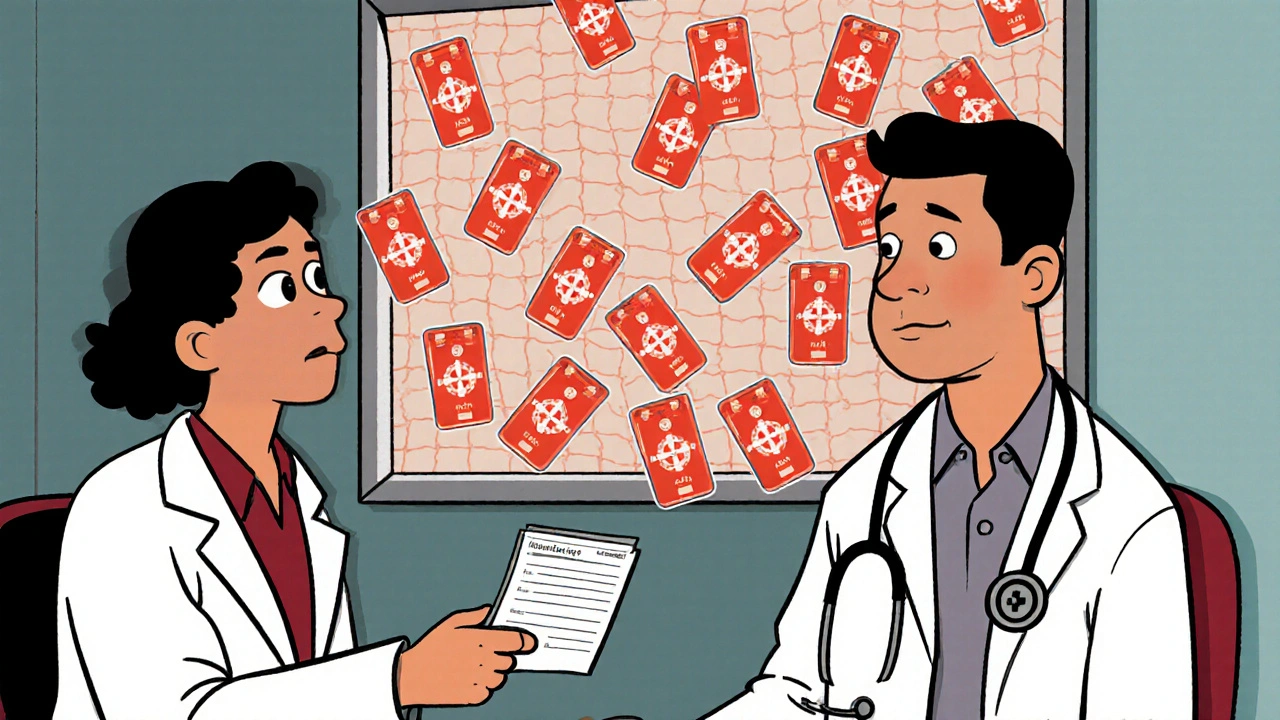
Naloxone Co-Prescribing: A Practical Guide to Overdose Prevention for Opioid Patients
Learn how naloxone co-prescribing works, when to use it, and practical steps for clinicians to prevent opioid overdoses. Includes risk factors, dosage calculations, formulation guide, and real‑world tips.