Melanoma Treatment: What Works, What Doesn’t, and What You Need to Know
When it comes to melanoma treatment, a type of skin cancer that starts in pigment-producing cells called melanocytes. Also known as malignant melanoma, it’s the most dangerous form of skin cancer—but also one of the most treatable if caught early. Unlike other skin cancers that grow slowly, melanoma can spread fast. That’s why knowing your options matters—not just for survival, but for quality of life after treatment.
Today’s melanoma treatment, includes a range of approaches tailored to how far the cancer has spread. Also known as advanced melanoma therapy, it’s no longer just about cutting out the tumor. If it’s caught early, surgical removal, the most common first step. Also known as wide local excision, it often cures the disease completely. But if it’s moved to lymph nodes or organs, things get more complex. That’s where immunotherapy, a treatment that helps your own immune system find and kill cancer cells. Also known as checkpoint inhibitors, it’s changed the game for many patients. Drugs like pembrolizumab and nivolumab don’t attack cancer directly—they remove the brakes on your immune system so it can do the job.
Then there’s targeted therapy, a precision approach that only works if your melanoma has specific gene mutations. Also known as BRAF/MEK inhibitors, it’s powerful—but only for about half of patients who test positive for the BRAF V600 mutation. These pills, like dabrafenib and trametinib, shrink tumors fast. But they don’t last forever. Resistance often develops, which is why many doctors now combine them with immunotherapy.
What you won’t find in most lists? The real-world trade-offs. Surgery leaves scars. Immunotherapy can cause chronic fatigue, joint pain, or even autoimmune issues. Targeted therapy might give you fever, rashes, or high blood pressure. No treatment is risk-free. But the goal isn’t just to live longer—it’s to live better. That’s why treatment plans now include support for mental health, nutrition, and physical rehab.
And here’s something most people don’t realize: melanoma treatment isn’t one-size-fits-all. It depends on your age, where the cancer started, how deep it grew, whether it spread, and even your genetic profile. A 30-year-old with a thin melanoma might need just a simple excision. A 65-year-old with spread disease might need a combo of three drugs. The key is knowing what’s right for you, not just what’s trendy.
Below, you’ll find real-world guides that break down each option—what works, what doesn’t, and what to ask your doctor before signing off on any plan. No fluff. No marketing. Just what patients and clinicians are actually using today.
Melanoma: How to Prevent, Detect, and Treat Skin Cancer Early
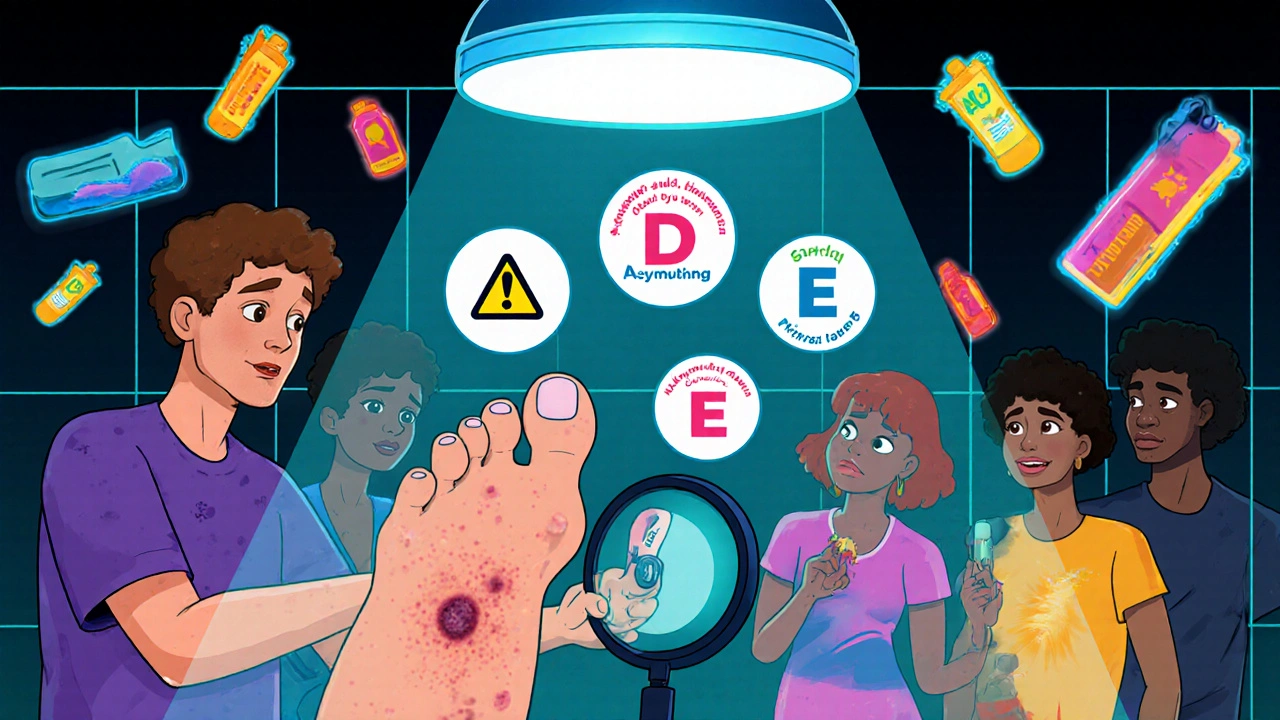
Melanoma is the deadliest skin cancer, but early detection can lead to a 99% survival rate. Learn how to prevent it with UV protection, spot warning signs using the ABCDE rule, and understand modern treatments that are saving lives.