Medication Reminders: Stay on Track with Your Treatment Plan
When you’re managing chronic conditions like high blood pressure, diabetes, or depression, medication reminders, systematic prompts to take prescribed drugs at scheduled times. Also known as drug adherence tools, they’re not just helpful—they can be life-saving. Skipping a dose, taking two by accident, or mixing pills incorrectly isn’t just a mistake—it can lead to hospital visits, worsening symptoms, or even death. The CDC estimates that half of people with long-term conditions don’t take their meds as directed. And it’s rarely because they’re lazy. It’s because life gets busy, schedules change, and memory fails.
Pill schedule, a structured plan for when and how to take each medication is the backbone of any good treatment plan. But a paper checklist on the fridge won’t cut it if you’re rushing out the door. Real solutions need to sync with your rhythm—phone alarms, smart pill dispensers, or even text messages from your pharmacy. These aren’t gadgets for tech lovers; they’re necessities for people on five or more daily medications. And it’s not just about remembering to take them. It’s about knowing which one to take, when to skip it, and what to do if you miss a dose. That’s where treatment compliance, the consistent following of a prescribed medical regimen becomes more than a buzzword—it becomes your safety net.
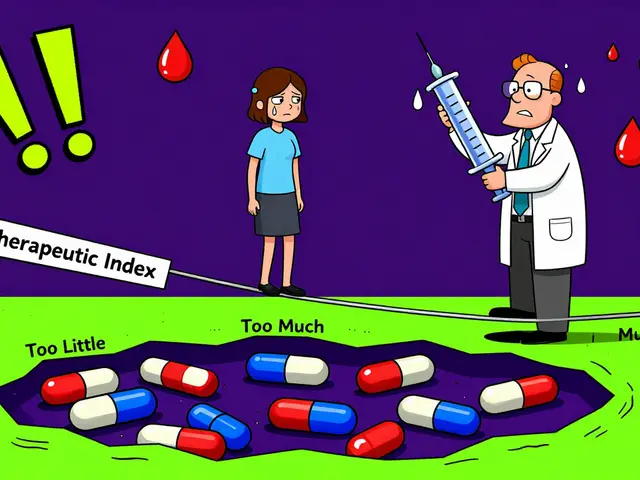
Some people think generics are interchangeable no matter what. But if you’re on a drug like clozapine or MAOIs, even a small timing shift can trigger dangerous side effects. That’s why pharmacy tools, services like automated refill alerts, dosage tracking apps, or pharmacist-led check-ins are quietly revolutionizing care. A study in the Journal of the American Pharmacists Association showed that patients using pharmacist-supported reminders had 40% fewer ER visits. These tools don’t replace doctors—they fill the gaps between visits.
You don’t need to be tech-savvy to use these systems. A simple alarm labeled "Morning Pill: 7 AM" on your phone works better than a complicated app you’ll delete in a week. The goal isn’t perfection—it’s consistency. Whether you’re managing Parkinson’s symptoms with cyproheptadine, controlling blood pressure with diltiazem, or treating an eye infection in your cat with chloramphenicol, the rules are the same: take it right, take it on time, take it as prescribed.
Below, you’ll find real-world guides that show you exactly how to avoid dangerous interactions, handle side effects, and set up systems that actually stick. No fluff. No theory. Just what works when you’re tired, overwhelmed, or just plain forgetful.
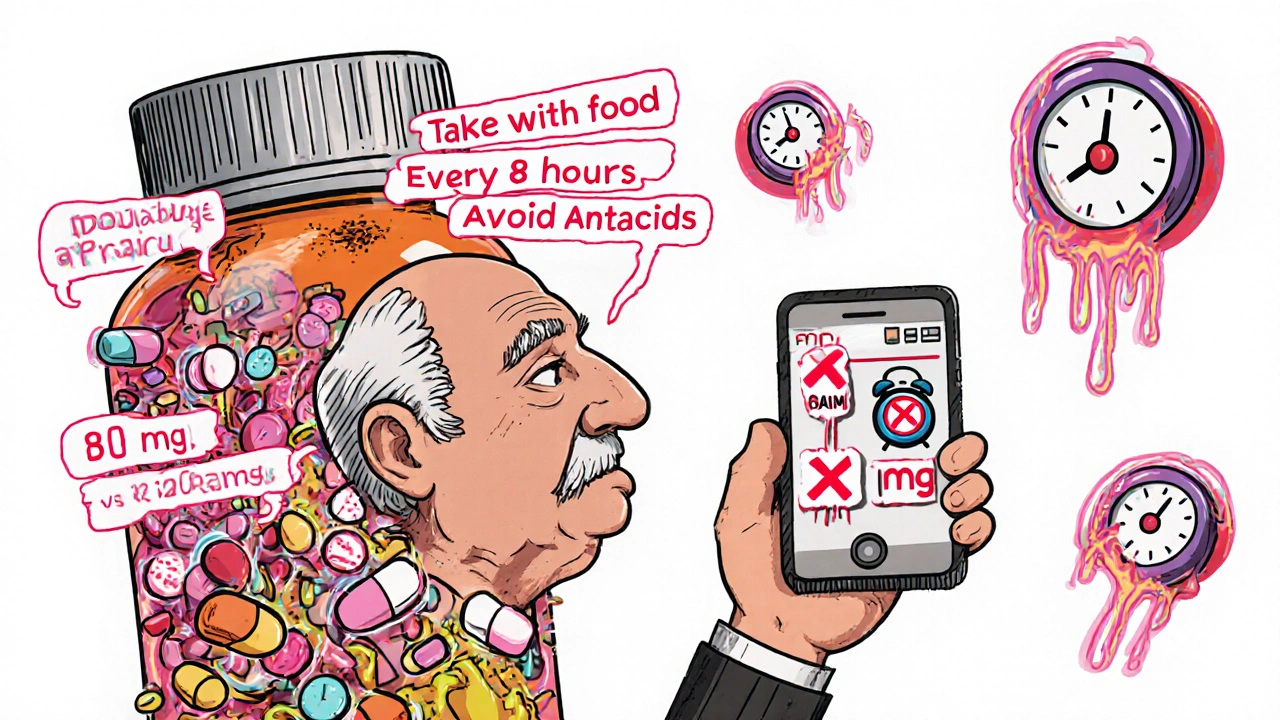
How to Use Label Information to Set Accurate Medication Reminders
Learn how to read your prescription label and use that information to set accurate medication reminders that prevent errors, avoid interactions, and improve adherence. Smart apps can turn tiny print into life-saving schedules.
Recent Post
-

Voucher Codes for Online Drug Store Genglob.com
Mar, 21 2025