Medication Labels: What You Need to Know About Safety, Warnings, and Proper Use
When you pick up a prescription, the medication labels, the printed information on drug containers that guide safe use. Also known as pharmacy labels, they’re not just legal requirements—they’re your first line of defense against harmful mistakes. These labels tell you how much to take, when to take it, what to avoid, and what side effects to watch for. Skip reading them, and you’re gambling with your health.
Behind every medication label, the printed information on drug containers that guide safe use. Also known as pharmacy labels, they’re not just legal requirements—they’re your first line of defense against harmful mistakes. are real risks. A label warning about food-drug interactions, how certain foods can dangerously react with medications. Also known as dietary interactions, it can mean the difference between safe treatment and a trip to the ER. Like avoiding aged cheese with MAOIs, or skipping alcohol with sedatives. Labels also flag drug interactions, when two or more medications combine to cause unexpected or dangerous effects. Also known as medication conflicts, these are behind many hospital visits. Think of someone taking Clofranil and another antidepressant, or using nasal spray too long and triggering rebound congestion. These aren’t rare—these are common, preventable errors.
Labels aren’t just about danger. They’re your roadmap to getting the most from your medicine. They tell you if a pill should be taken with food, if it causes drowsiness, or if you need to avoid sunlight. They list active ingredients so you don’t accidentally double-dose on acetaminophen. They remind you to check expiration dates—expired antibiotics don’t just lose power, they can turn toxic. And for pet owners, labels on chloramphenicol eye drops or other vet meds must be followed just as strictly as human prescriptions.
But here’s the problem: labels are packed with tiny print, medical jargon, and warnings that feel overwhelming. You might think, "I’ll just ask my doctor," but most people don’t. Or they assume generics are identical to brand names—until they notice side effects change. That’s why understanding how to read a label matters more than ever. It’s not about memorizing every word. It’s about spotting the red flags: "Do not use if pregnant," "May cause dizziness," "Avoid grapefruit," "Keep out of reach of children." These aren’t suggestions. They’re instructions.
And it’s not just about what’s on the bottle. The label connects to tools like FDA and WebMD interaction checkers, which help you cross-reference what you’re taking. It ties into how pharmacies track your full list of meds to flag risks you might miss. It’s why some patients stick with brand-name drugs even when generics are cheaper—because consistency matters when your body reacts differently to slight formulation changes.
Below, you’ll find real examples of what happens when labels are ignored—or understood. From how hydroquinone creams need careful labeling to avoid skin damage, to why naloxone co-prescribing comes with clear instructions on when and how to use it. You’ll see how mesalamine, prednisolone, and vardenafil each carry unique label requirements. And you’ll learn how to spot the difference between a routine warning and a life-threatening one. This isn’t theory. These are stories from people who learned the hard way. Let’s make sure you don’t have to.
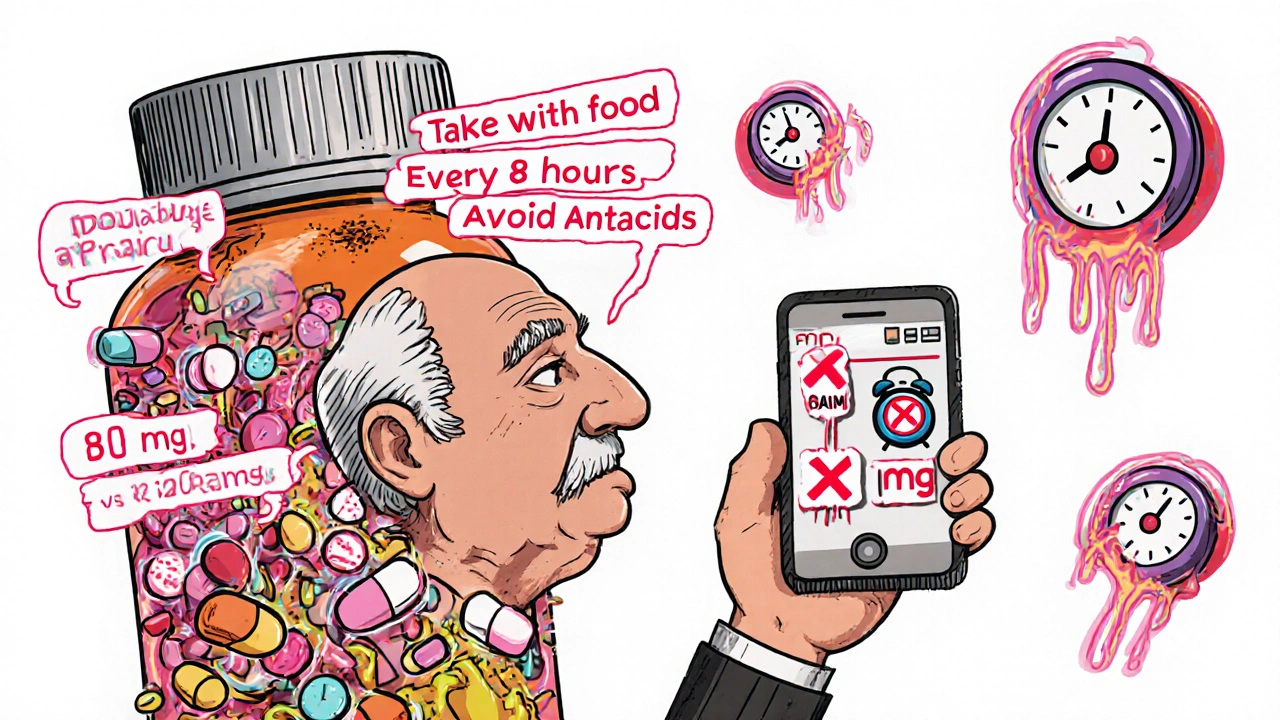
How to Use Label Information to Set Accurate Medication Reminders
Learn how to read your prescription label and use that information to set accurate medication reminders that prevent errors, avoid interactions, and improve adherence. Smart apps can turn tiny print into life-saving schedules.
Recent Post
-
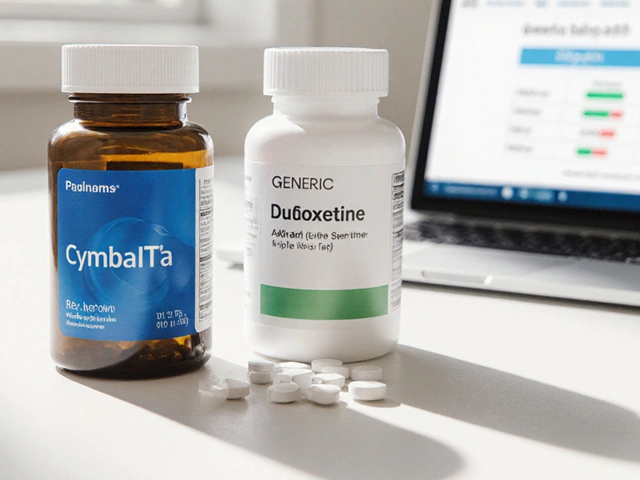
Buy Cheap Generic Cymbalta Online - Guide & Tips
Oct, 6 2025