Family Approach Autism: How Families Can Support Growth
When working with Family Approach to Autism, a collaborative method that involves parents, caregivers, and professionals joining forces to meet the unique needs of a child on the autism spectrum. Also known as family‑centered autism care, it creates a consistent environment where every decision considers the child's strengths and challenges. The approach builds on Autism Spectrum Disorder (ASD) and leverages Behavioral Therapy as a core tool for skill development.
Key Components of a Family‑Centered Autism Plan
The family approach rests on four pillars. First, behavioral therapy provides structured learning that turns daily routines into teachable moments. Second, Sensory Integration techniques help children process sounds, lights, and textures without becoming overwhelmed. Third, Medication Management offers a safety net for issues like anxiety or attention deficits, but it works best when families track side effects and coordinate with doctors. Fourth, educational support—from individualized education plans to inclusive classroom strategies—ties everything together, ensuring the child thrives at school and at home.
These pillars are not isolated; they intersect in real life. For example, Family Approach to Autism encompasses Sensory Integration because a calm sensory environment makes behavioral drills more effective. It requires Medication Management when a child’s anxiety spikes, and it influences school success by providing consistent cues across settings. Understanding these links helps families create a seamless plan that feels less like a checklist and more like a living routine.
Putting the plan into action starts with small, measurable steps. Parents can begin by mapping a typical day, noting where sensory overload occurs, and testing a single modification—like noise‑reducing headphones during a favorite activity. Next, they might schedule a brief consultation with a behavior analyst to set one target skill, such as requesting a break. If medication is part of the mix, keeping a daily log of dose, mood, and any side effects creates a clear record for the pediatrician. Throughout, open communication with teachers and therapists ensures the home strategy aligns with classroom expectations. This cycle of observation, adjustment, and collaboration turns theory into real progress.
Below you’ll find a curated collection of articles that dive deeper into each piece of the puzzle. From safe medication tips and side‑effect monitoring to sensory‑friendly home hacks and evidence‑based behavior plans, the resources reflect the same family‑first mindset. Whether you’re just starting out or looking to fine‑tune an existing routine, the posts ahead give practical, evidence‑based guidance you can apply right away.
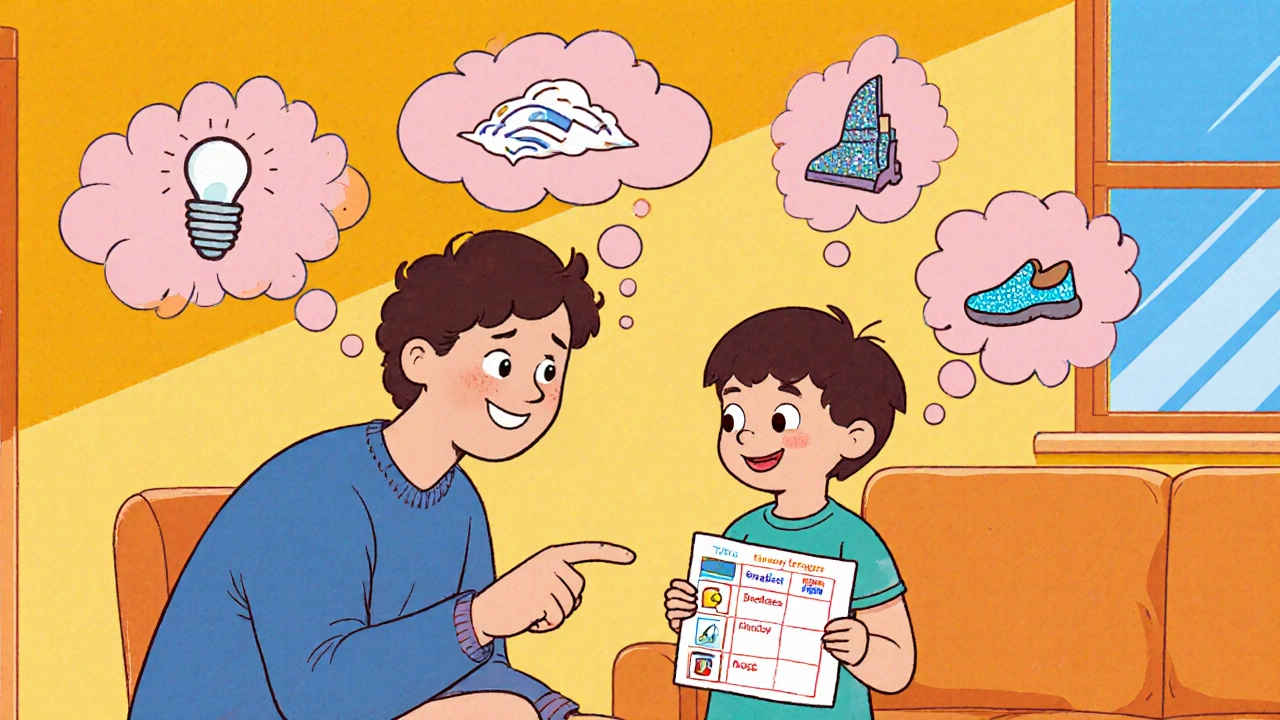
Autism and Parenting Styles: Finding the Right Approach for Your Family
Discover how different parenting styles affect autistic children and learn practical tweaks to create a supportive family approach that works for your unique situation.