Can You Drink While Taking Naproxen? What You Need to Know
If you’re on naproxen for back pain, a migraine, or arthritis, you might ask yourself, "Can I have a glass of wine tonight?" The short answer is: it depends on how much you drink, how often you take the medication, and your overall health. Let’s break down the facts so you can decide without guessing.
How Alcohol Affects Naproxen
Naproxen belongs to a class of drugs called NSAIDs (non‑steroidal anti‑inflammatory drugs). It works by reducing inflammation and blocking pain signals. Alcohol also irritates the stomach lining and can thin the blood. When you mix the two, you increase the chance of stomach ulcers, bleeding, and kidney strain.
Even a single drink can raise the risk of a stomach upset if you’re already on a high dose of naproxen. Studies show that people who regularly combine alcohol with NSAIDs have a 2–3 times higher chance of GI bleeding compared to those who avoid alcohol. The risk isn’t just about the amount of alcohol; it’s also about the timing. Taking naproxen on an empty stomach and then drinking amplifies irritation.
Another thing to watch is blood thinning. Naproxen can slightly delay clotting, and alcohol does the same. If you combine them, you might notice easy bruising or longer bleeding from cuts. For most healthy adults, occasional moderate drinking (one standard drink) isn’t a disaster, but there’s no magic safety threshold.
Practical Tips for Safe Drinking
Here’s a quick checklist to keep you on the safe side:
- Take naproxen with food. A solid meal creates a buffer in your stomach and lowers irritation.
- Limit alcohol. Stick to one standard drink (12 oz beer, 5 oz wine, or 1.5 oz spirits) and avoid binge drinking.
- Space it out. If you can, wait at least 2‑3 hours after taking naproxen before having a drink.
- Watch for warning signs. Stomach pain, dark stools, or unusual bruising mean you should stop drinking and call your doctor.
- Stay hydrated. Alcohol can dehydrate you, and dehydration can worsen naproxen’s effect on kidneys.
If you have a history of ulcers, kidney disease, or are on blood‑thinners like warfarin, it’s best to skip alcohol altogether while on naproxen. Talk to your pharmacist or doctor; they can suggest an alternative pain reliever that’s friendlier with alcohol, such as acetaminophen, if that fits your situation.
Bottom line: occasional moderate drinking isn’t a guaranteed no‑no, but it does raise the odds of stomach and bleeding problems. The safest route is to keep alcohol low, always take naproxen with food, and monitor how your body reacts. When in doubt, ask a healthcare professional before mixing drinks with medication.
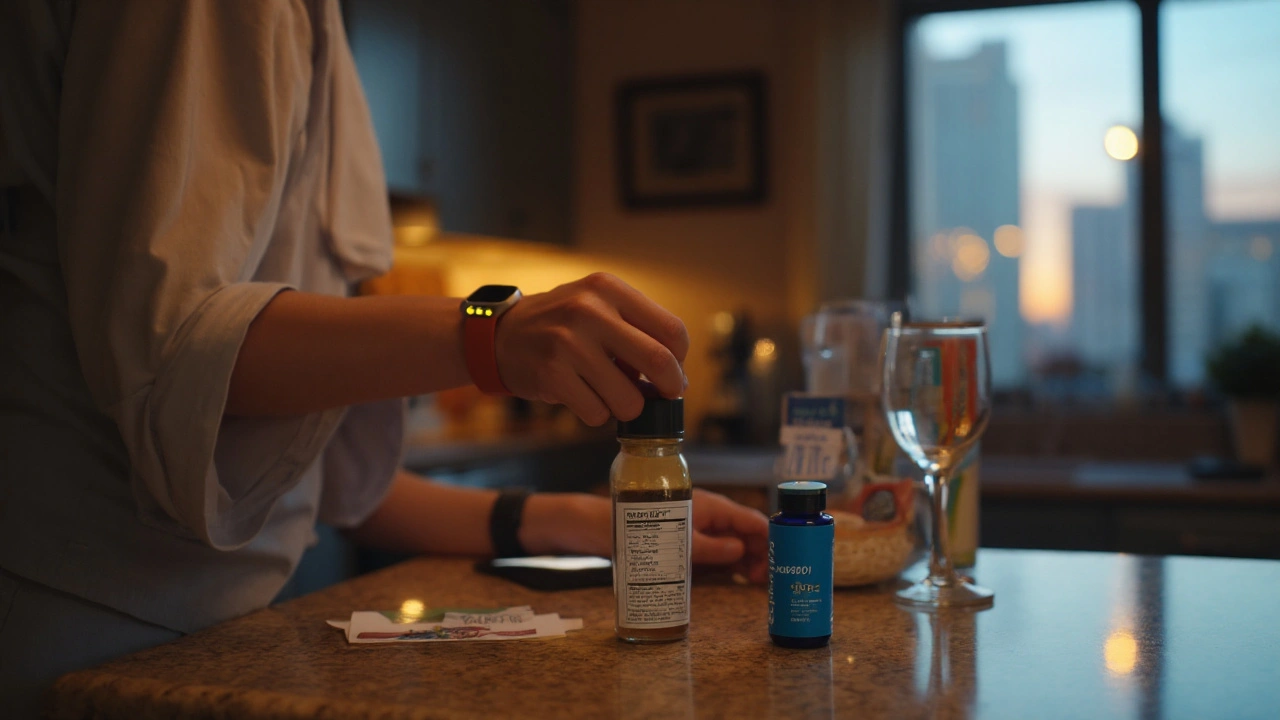
Naproxen and Alcohol: Risks, Timing, and Safer Pain Relief Options
Is it safe to drink on naproxen? Learn real risks, safe timing, who’s high‑risk, what to do if you mixed them, and better pain options when you plan to drink.