Authorized Generics: What They Are and Why They Matter for Your Prescription Costs
When you hear authorized generics, brand-name drugs sold under a generic label with the same active ingredients, manufacturing process, and packaging as the original. Also known as brand-name generics, these are not knockoffs—they’re the exact same pills, made by the original drug company, just without the marketing costs. Unlike regular generics, which are made by different manufacturers after patents expire, authorized generics come from the same factory, on the same line, using the same formula as the brand-name version. That means no guesswork about quality, absorption, or side effects.
This matters because not all generics are created equal. Some patients report differences when switching between brands of regular generics—even though the FDA says they’re bioequivalent. With authorized generics, the identical product from the original manufacturer, you avoid that uncertainty. And because they’re sold without the brand name’s advertising budget, they often cost less than the brand-name version and sometimes even less than other generics. For people on long-term meds—like blood pressure pills, antidepressants, or cholesterol drugs—that adds up fast.
How do you know if you’re getting one? Look for the label. Authorized generics often list the brand name alongside the generic name on the bottle. Some pharmacies even label them as "authorized generic" right on the packaging. If you’re unsure, ask your pharmacist. Many don’t even know the difference, but they can check the manufacturer code or contact the distributor. You might be paying more than you need to.
It’s also worth noting that market exclusivity, a period when the FDA blocks other companies from selling a generic version, even after the patent expires can delay when authorized generics appear. Sometimes, the brand company will launch its own generic version right before the patent ends to block competitors. That’s legal—and it’s why you might see a sudden drop in price for a drug you’ve been paying full price for years.
What you’ll find in these articles isn’t just theory. Real people share how switching to an authorized generic saved them hundreds a year. Others detail how they spotted the difference in side effects between regular generics and the brand. There are guides on how to ask your doctor or pharmacist for one, how to check if your insurance covers it, and even how to track down the best prices without insurance. You’ll also see how these drugs fit into broader issues like drug pricing, patent tricks, and why some medications stay expensive long after their patents expire.
Bottom line: if you’re paying full price for a drug that’s been around for years, you might be overpaying. Authorized generics aren’t a secret—they’re a simple, legal, and often cheaper way to get the exact same medicine you’ve been using. You don’t need to settle for guesswork when you can have the real thing at a lower cost.
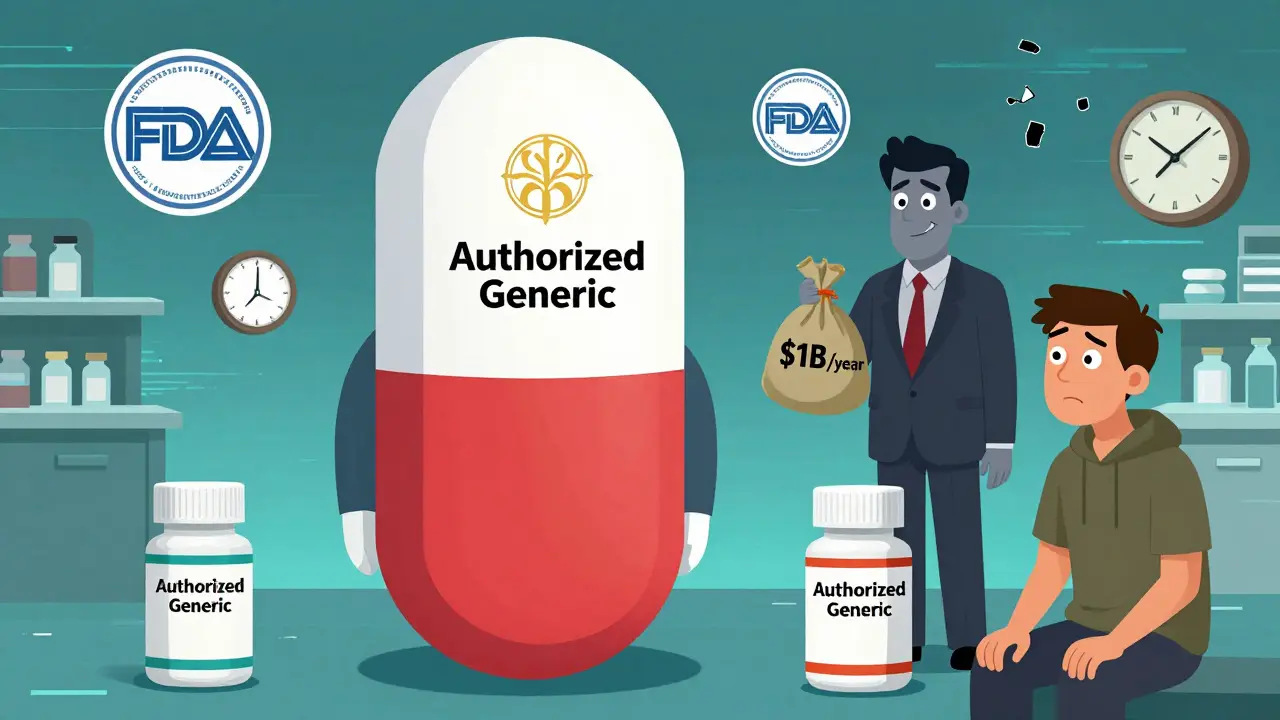
Why Most Drugs Don’t Have Authorized Generics - And What It Means for Your Prescription Costs
Most drugs don’t have authorized generics because drugmakers only create them to protect profits - not to lower prices. Learn why this affects your prescription costs and what you can do.
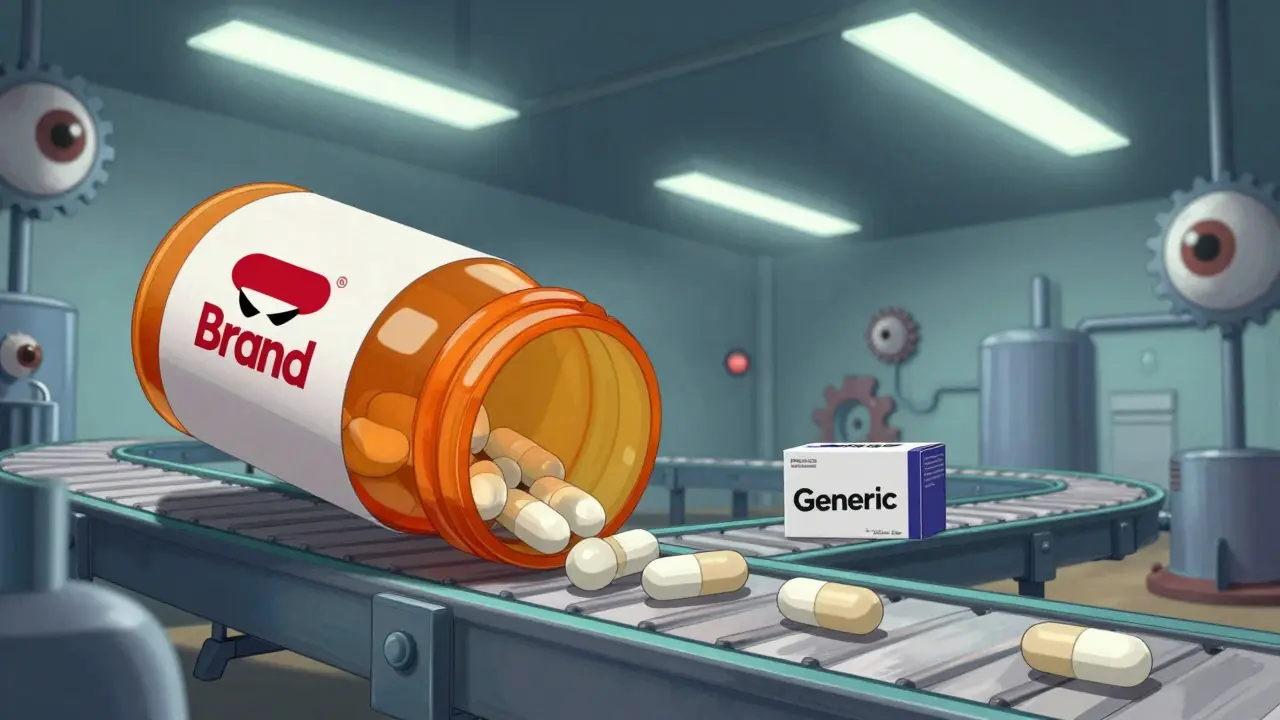
How Brand Manufacturers Produce Their Own Generic Versions
Brand manufacturers produce their own generic versions-called authorized generics-to keep market share after patents expire. These are identical to the original drug but sold under a different label. Learn how they work, why they’re priced the way they are, and what it means for patients.
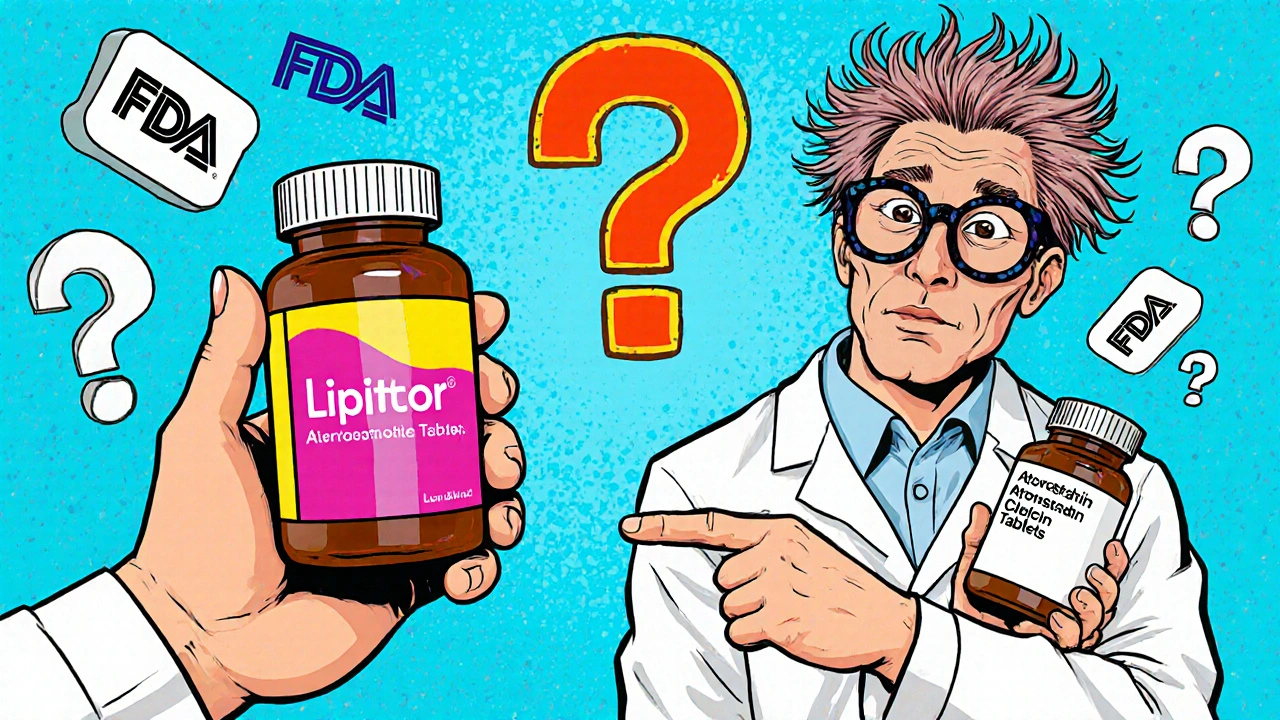
How to Understand Authorized Generics and How They Differ from Traditional Generics
Authorized generics are the exact same drug as brand-name medications, just without the brand label. Learn how they differ from traditional generics in ingredients, cost, insurance coverage, and how to identify them.
Recent Post
-
Buy Cheap Generic Cymbalta Online - Guide & Tips
Oct, 6 2025