Antidepressant Side Effects: What You Need to Know Before Starting Treatment
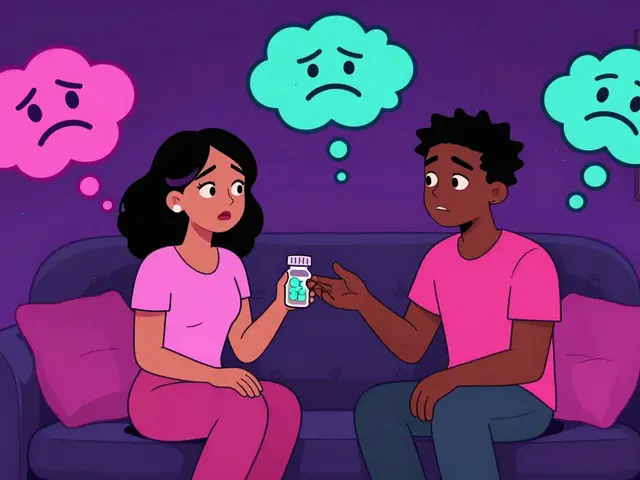
When you start an antidepressant, a medication used to treat depression, anxiety, and sometimes chronic pain or OCD. Also known as antidepressive drugs, these medications help balance brain chemicals—but they don’t work the same for everyone. Many people feel better after a few weeks, but up to half of users experience side effects in the first month. Some are mild and fade. Others stick around—and if you don’t know what’s normal, you might quit too soon.
Common side effects include nausea, dry mouth, drowsiness, weight gain, and trouble sleeping. These often show up with SSRIs, a class of antidepressants that increase serotonin levels. Also known as selective serotonin reuptake inhibitors, they’re the most prescribed type. But SNRIs, another common type that affects both serotonin and norepinephrine. Also known as serotonin-norepinephrine reuptake inhibitors, they can cause higher blood pressure or more jitteriness. Then there’s clomipramine—used for OCD—which brings stronger side effects like dizziness, blurred vision, and heart rhythm changes. You don’t need to guess which one you’ll tolerate. The key is tracking symptoms early and talking to your doctor before making changes.
Some side effects are rare but dangerous. Serotonin syndrome—caused by too much serotonin—can lead to high fever, confusion, and fast heartbeat. It’s not common, but mixing antidepressants with certain supplements (like St. John’s wort) or pain meds (like tramadol) raises the risk. And if you’re on MAOIs, you must avoid aged cheese, cured meats, and red wine. These interactions can spike your blood pressure to life-threatening levels.
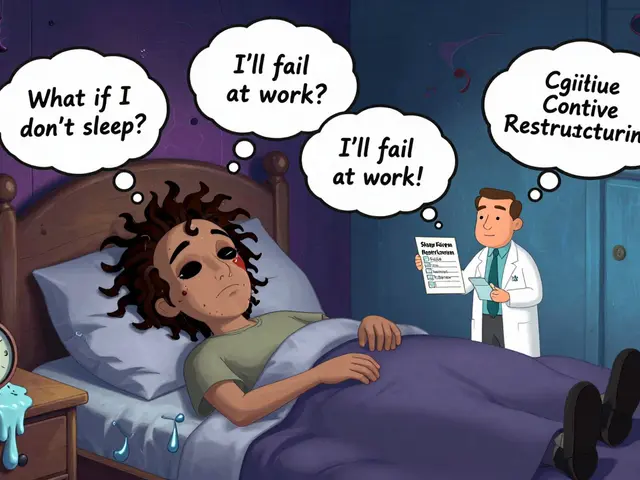
Not everyone gets side effects. Some people feel clearer-headed within days. Others need to try two or three meds before finding one that fits. That’s normal. What’s not normal is staying silent when something feels off. Your body is telling you something. Write down every change—mood, sleep, appetite, energy. Bring it to your next appointment. You’re not being difficult. You’re being smart.
There are alternatives too. Therapy, exercise, and even light therapy can help. Some people switch to non-medication options. Others combine meds with lifestyle tweaks. The goal isn’t just to stop feeling bad—it’s to feel like yourself again, without constant side effects dragging you down.
Below, you’ll find real, practical guides on how to manage these effects, spot dangerous interactions, and know when it’s time to switch. No fluff. No jargon. Just what works.
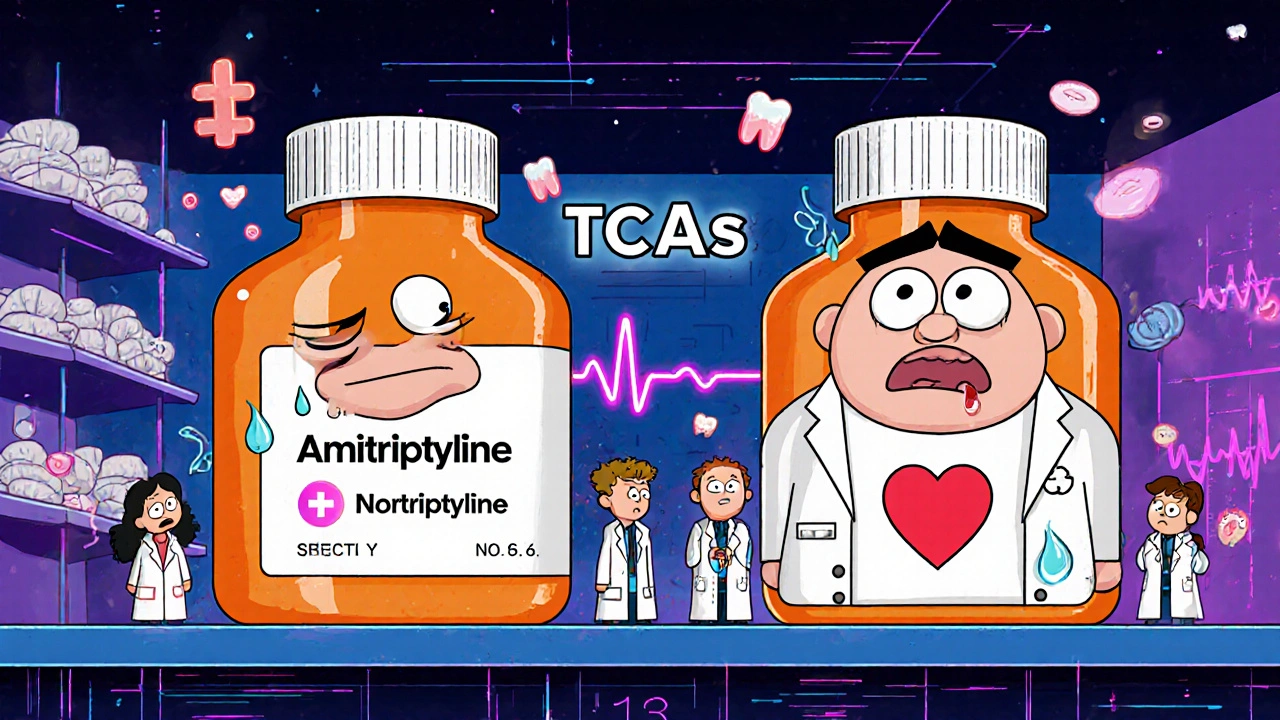
Tricyclic Antidepressant Side Effects: Amitriptyline, Nortriptyline, and Other TCAs Explained
Tricyclic antidepressants like amitriptyline and nortriptyline are still used for chronic pain and treatment-resistant depression, but they come with serious side effects including dry mouth, dizziness, heart risks, and cognitive decline-especially in older adults.
Recent Post
-
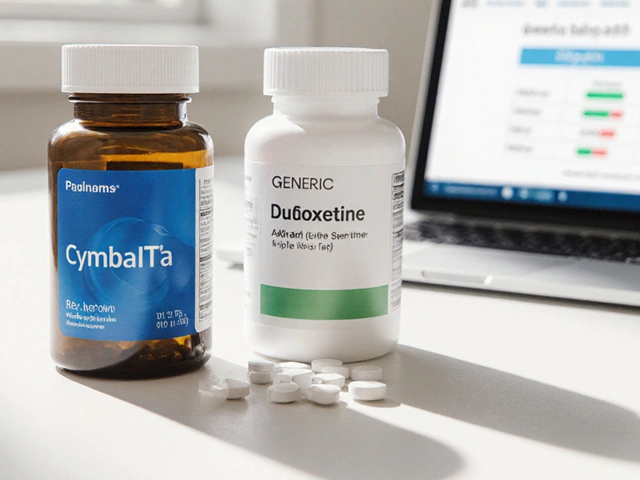
Buy Cheap Generic Cymbalta Online - Guide & Tips
Oct, 6 2025