Amitriptyline Side Effects: What You Need to Know Before Taking It
When you start taking amitriptyline, a tricyclic antidepressant used for depression, nerve pain, and sometimes migraines. Also known as Elavil, it works by balancing brain chemicals—but it doesn’t come without trade-offs. Many people find relief from long-term pain or low mood, but the side effects can be tough to ignore. You might feel drowsy, dry-mouthed, or gain weight without changing your diet. These aren’t rare guesses—they’re common, well-documented reactions that show up in real patients, not just clinical trials.
The most frequent side effects of amitriptyline, a tricyclic antidepressant used for depression, nerve pain, and sometimes migraines. Also known as Elavil, it works by balancing brain chemicals—but it doesn’t come without trade-offs. include drowsiness, dry mouth, constipation, and blurred vision. These aren’t signs you’re doing something wrong—they’re just how your body reacts to the drug. Some people get dizzy when standing up fast, which happens because amitriptyline lowers blood pressure. If you’re older or take other meds for blood pressure or heart issues, this can be risky. Weight gain is another big one. It’s not just about cravings; the drug slows your metabolism slightly. And while it helps some sleep better, others feel foggy all day. You might not notice these at first, but after a few weeks, they add up.
Then there are the less common but serious risks. Amitriptyline can mess with your heart rhythm, especially if you already have heart disease or take other meds that affect your heartbeat. If you feel your heart racing, faint, or get chest pain, stop and get help. It can also cause confusion or hallucinations in older adults, which is why doctors often avoid it for seniors unless there’s no other option. And if you’re on other antidepressants, like SSRIs or MAOIs, mixing them with amitriptyline can lead to serotonin syndrome—a dangerous, sometimes deadly buildup of serotonin. That’s why your doctor needs to know every pill, supplement, or herb you’re taking.
What’s missing from most drug labels is the human side: the guy who stopped taking it because he couldn’t focus at work, the woman who gained 20 pounds and felt ashamed, the teen who got so sleepy she missed school. These aren’t side effects you can ignore—they’re part of the decision. You’re not just choosing between pain and no pain. You’re choosing between feeling better and feeling like a different person. That’s why some people stick with it, even when it’s hard. Others switch to something gentler, like an SSRI or a different pain med. There’s no right answer for everyone.
Below, you’ll find real stories and practical advice from people who’ve lived with amitriptyline side effects. Some found ways to manage dry mouth without sugary drinks. Others learned to time their dose so drowsiness didn’t wreck their day. One person swapped it for a different drug after a bad reaction. You’ll see what worked, what didn’t, and what your doctor might not tell you. This isn’t just a list of symptoms. It’s a guide to making a real choice—with your eyes open.
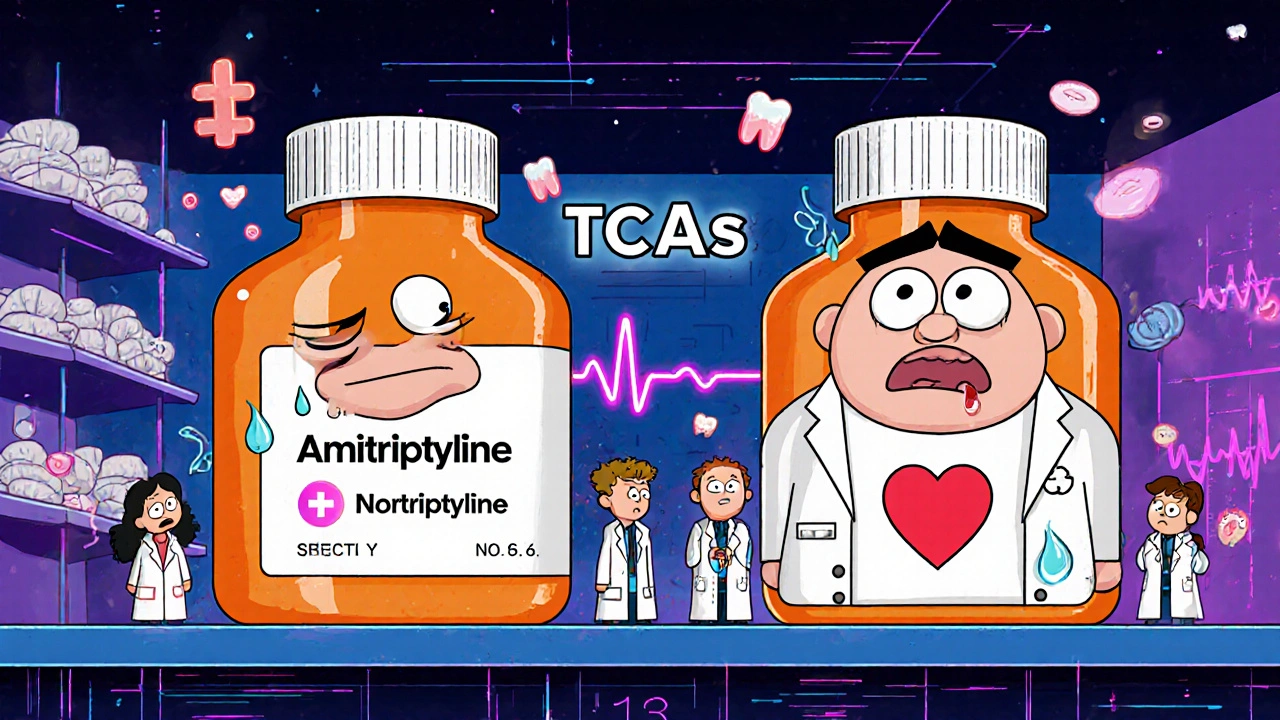
Tricyclic Antidepressant Side Effects: Amitriptyline, Nortriptyline, and Other TCAs Explained
Tricyclic antidepressants like amitriptyline and nortriptyline are still used for chronic pain and treatment-resistant depression, but they come with serious side effects including dry mouth, dizziness, heart risks, and cognitive decline-especially in older adults.
Recent Post
-

Voucher Codes for Online Drug Store Genglob.com
Mar, 21 2025