Alternatives: Comparing Medications, Therapies, and Treatments
When exploring alternatives, different options that can replace or supplement a given medication, therapy, or health product, it helps to break the topic into clear groups. alternatives aren’t just random substitutes; they’re chosen based on efficacy, safety, cost, and personal health goals. Take antipsychotics, drugs used to manage symptoms of schizophrenia and related disorders as an example. Clozapine is a powerful antipsychotic, but many patients consider atypical antipsychotic alternatives, medications like risperidone or olanzapine that may have a different side‑effect profile. The choice influences treatment outcomes, monitoring requirements, and quality of life. Similarly, in the world of headache care, migraine treatments, preventive and acute drugs to reduce migraine frequency and pain range from traditional triptans to newer options like CGRP inhibitors, each presenting its own balance of effectiveness and tolerability. Looking at hair loss, hair loss therapies, methods such as finasteride, minoxidil, PRP, and low‑level laser serve different mechanisms, costs, and user preferences. By recognizing that alternatives encompass these distinct subcategories, readers can start building a decision‑making framework that matches their specific situation.
Key Considerations When Evaluating Alternatives
First, ask what the primary goal is: symptom control, disease modification, or lifestyle compatibility? For antipsychotic alternatives, the goal often includes minimizing metabolic side effects while preserving psychotic symptom relief. That means weighing lab monitoring frequency against potential weight gain. Second, examine the mechanism of action. Migraine alternatives like CGRP monoclonal antibodies act on a different pathway than traditional beta‑blockers, which can be crucial if previous treatments failed. Third, weigh the administration route. Oral weight‑loss alternatives such as orlistat differ dramatically from injectable options in adherence and patient comfort. Fourth, consider cost and insurance coverage. Hair‑loss options like finasteride are inexpensive generics, while PRP sessions can add up quickly. Finally, review the evidence base. Clinical trials, real‑world studies, and patient‑reported outcomes all feed into how reliable an alternative truly is. By laying out these criteria, you create a repeatable process that can be applied across any therapeutic area, be it metabolic disease, neurological disorders, or cosmetic concerns.
The articles below dive deep into specific alternatives: from comparing Clozapine with other antipsychotics, to side‑effect management for HIV meds, to practical guides on weight‑loss and hair‑loss options. You’ll find side‑by‑side tables, safety tips, and real‑world advice that make the comparison process straightforward. Whether you’re a patient, caregiver, or health professional, this collection gives you the facts you need to choose the right alternative for any condition.
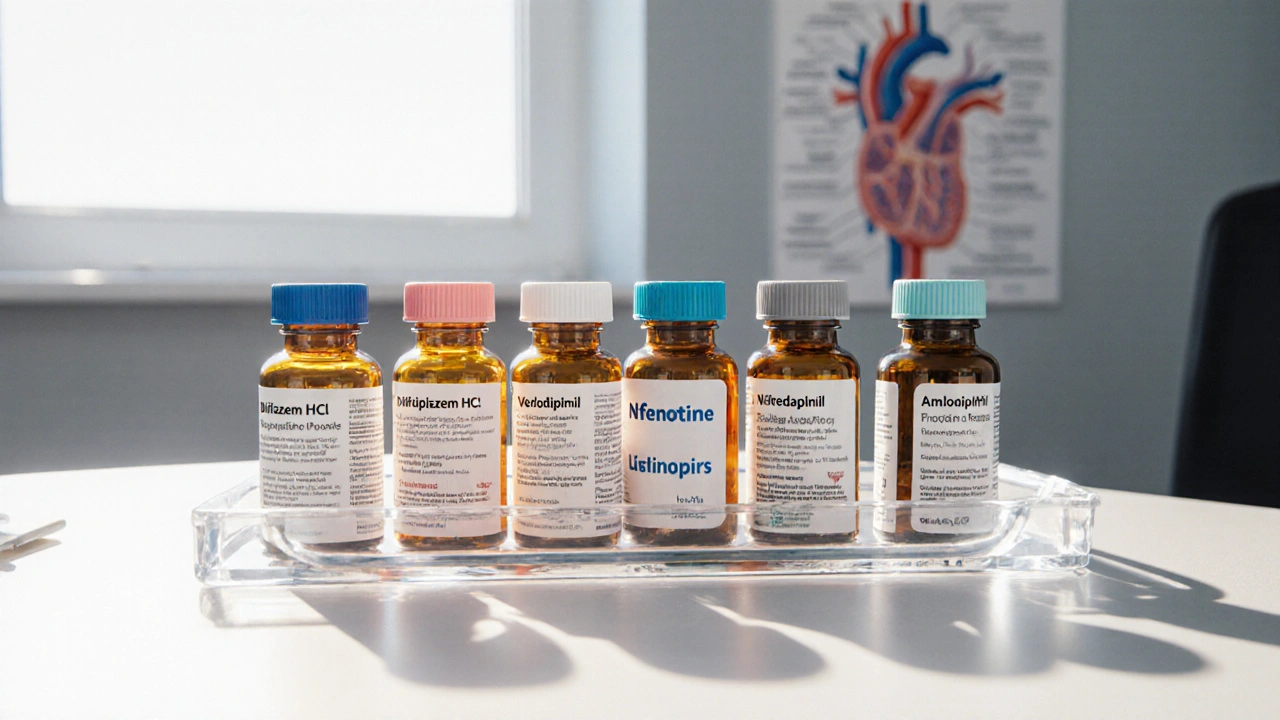
Diltiazem HCl vs Alternatives: Benefits, Side Effects & Best Choices
A detailed, side‑by‑side comparison of Diltiazem HCl with Amlodipine, Verapamil, Nifedipine, and other common alternatives, covering uses, dosing, side effects, interactions and patient‑specific decision guides.