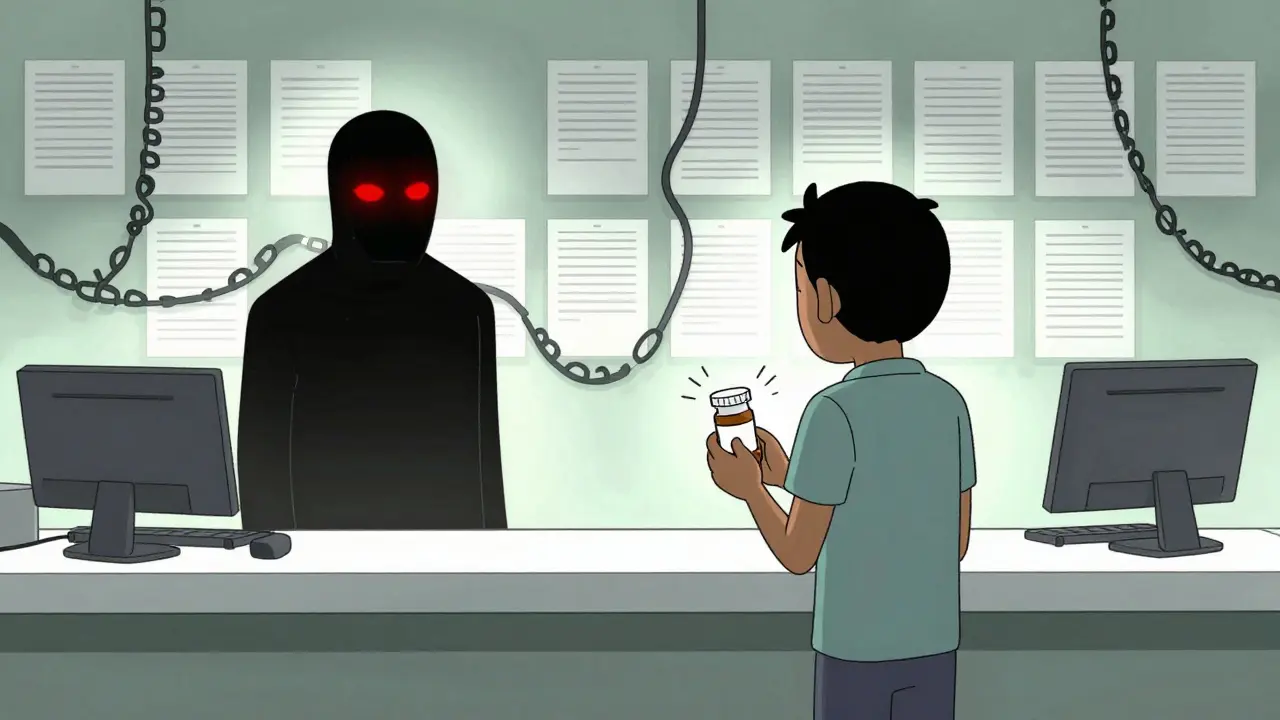
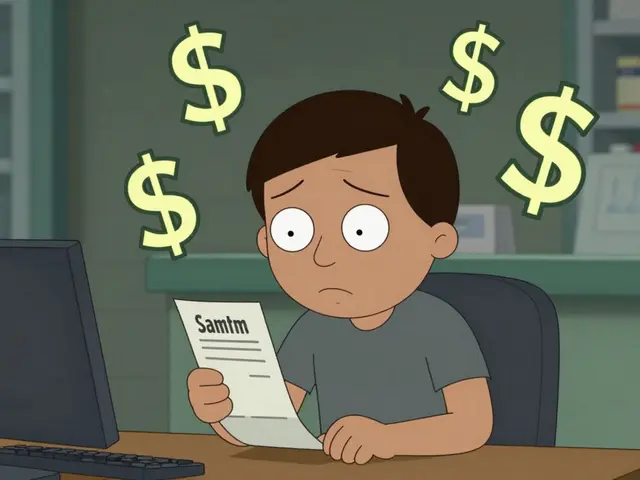
You walk into the pharmacy, hand over your prescription, and smile. You’ve done everything right. Then the pharmacist frowns at the screen and says, "Your insurance requires prior authorization." Suddenly, that simple trip turns into a maze of phone calls, paperwork, and waiting games. It’s frustrating, confusing, and often feels like a barrier designed to keep you from getting better.
Prior authorization is one of the most common hurdles in modern healthcare. Whether you are managing a chronic condition or treating an acute issue, understanding this process can save you time, money, and stress. Let’s break down exactly what it is, why insurers use it, and how you can navigate it without losing your mind.
What Is Prior Authorization?
Prior authorization is a pre-approval process where your health insurance company must agree to cover a specific medication before you fill the prescription. Think of it as a gatekeeper. Before the insurance pays for certain drugs, they want to verify that the medication is medically necessary, safe for you, and the best option available.
This isn’t just bureaucracy for the sake of it. Insurance companies use prior authorization to manage costs and ensure that patients receive treatments that align with clinical guidelines. However, from a patient’s perspective, it often feels like an unnecessary delay. The goal is to balance cost containment with appropriate access to care, but the execution doesn’t always feel smooth.
When you hear terms like "pre-certification" or "coverage determination," they usually refer to the same concept. In Medicare Part D plans, for example, it’s officially called a coverage determination, but the mechanics remain similar across commercial insurers like Blue Shield, Cigna, and UnitedHealthcare.
Why Do Insurers Require It?
It’s natural to wonder why your doctor’s judgment isn’t enough. Why does an insurance company need to step in? The answer lies in how health plans are structured. Insurers negotiate rates with pharmaceutical companies and build formularies-their lists of covered drugs-based on cost-effectiveness and clinical evidence.
Formularies are tiered lists of medications approved by an insurance plan, categorized by cost and coverage rules. If a drug is on the formulary but requires prior authorization, it means the insurer wants extra verification before paying for it. This typically happens for several reasons:
- High Cost: Expensive brand-name drugs often trigger reviews to ensure cheaper alternatives won’t work.
- Safety Concerns: Some medications have serious side effects or interactions that require careful monitoring.
- Specialist Only: Certain complex drugs, like chemotherapy agents, may only be covered if prescribed by a specialist, such as an oncologist.
- Step Therapy: Insurers may require you to try lower-cost generic options first before approving a more expensive brand-name drug.
The Academy of Managed Care Pharmacy (AMCP) describes prior authorization as an essential tool to ensure drug benefits are administered safely and effectively. While the intent is noble, the reality is that these checks can slow down treatment, especially when patients are in pain or facing urgent health issues.
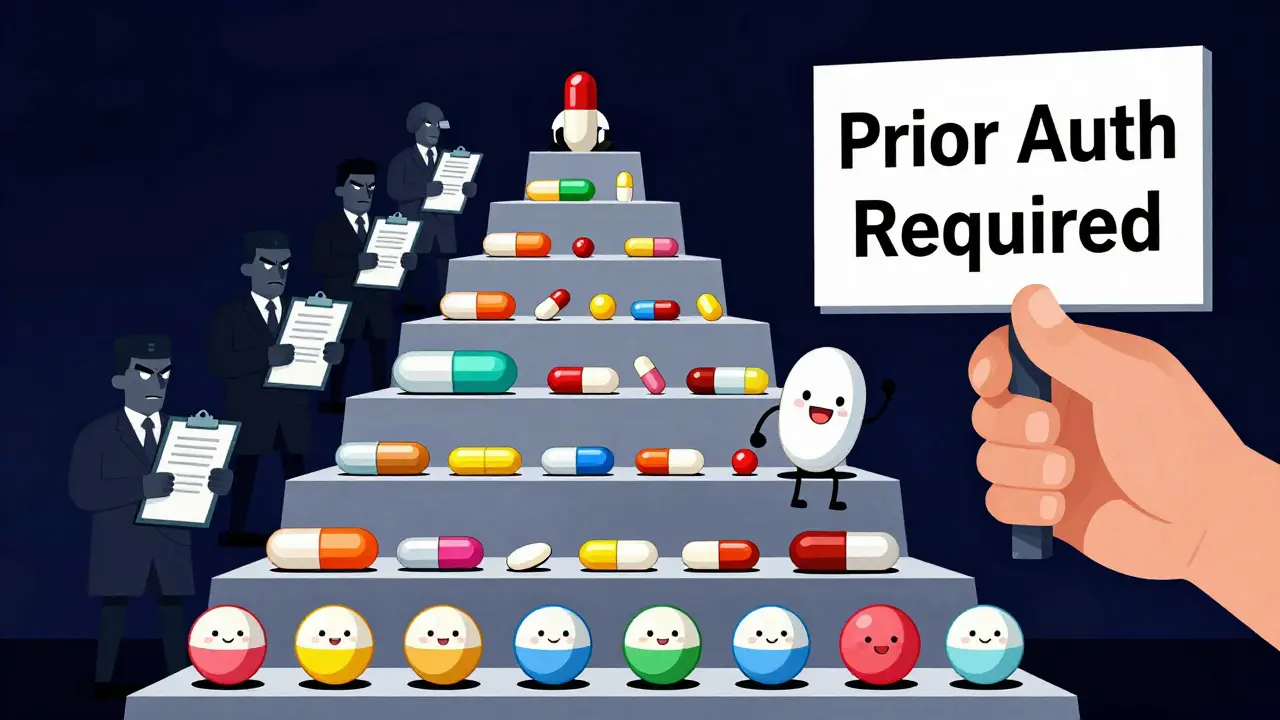
Which Medications Usually Need Approval?
Not every pill needs prior authorization. Over-the-counter meds and basic generics rarely trigger the process. But if your prescription falls into certain categories, expect a review. Here’s what typically sets off the alarm:
- Brand-Name Drugs with Generic Alternatives: If a generic version exists and works just as well, insurers will push for that first. They’ll only approve the brand name if you prove the generic failed or caused adverse reactions.
- High-Cost Specialty Medications: Drugs used for rare diseases, cancer, or autoimmune conditions often cost thousands per month. Insurers scrutinize these closely to confirm diagnosis and treatment history.
- Off-Label Prescriptions: Sometimes doctors prescribe drugs for conditions not officially listed on the label. These uses require strong documentation because they fall outside standard guidelines.
- Controlled Substances: Medications with potential for abuse or dependency may face stricter oversight to prevent misuse.
- Drugs with Specific Usage Guidelines: Some meds are only covered for certain age groups, weights, or stages of disease progression.
If you’re unsure whether your medication needs approval, check your plan’s formulary. Most insurers provide online tools like "Price Check My Rx" to help you determine coverage before you even pick up the prescription.
How the Process Works Step-by-Step
Navigating prior authorization doesn’t have to be a guessing game. Here’s the typical workflow from start to finish:
1. The Prescription Is Written
Your doctor determines you need a specific medication. They write the prescription, but before sending it to the pharmacy, they check their system or call the insurer to see if prior authorization is required.
2. The Request Is Submitted
If approval is needed, your provider submits a request. This includes details about your diagnosis, previous treatments tried, and why this specific drug is necessary. Many insurers accept electronic submissions through portals, while others still rely on faxed forms.
3. The Review Takes Place
A nurse or pharmacist employed by the insurance company reviews the request against clinical criteria. They look for evidence that the drug is medically necessary and that cheaper alternatives were considered or failed.
4. The Decision Comes Back
You’ll either get an approval or a denial. Approvals can take anywhere from a couple of days to a few weeks. Once approved, the authorization lasts for a defined period-often tied to your refill schedule. When it expires, you may need to reapply.
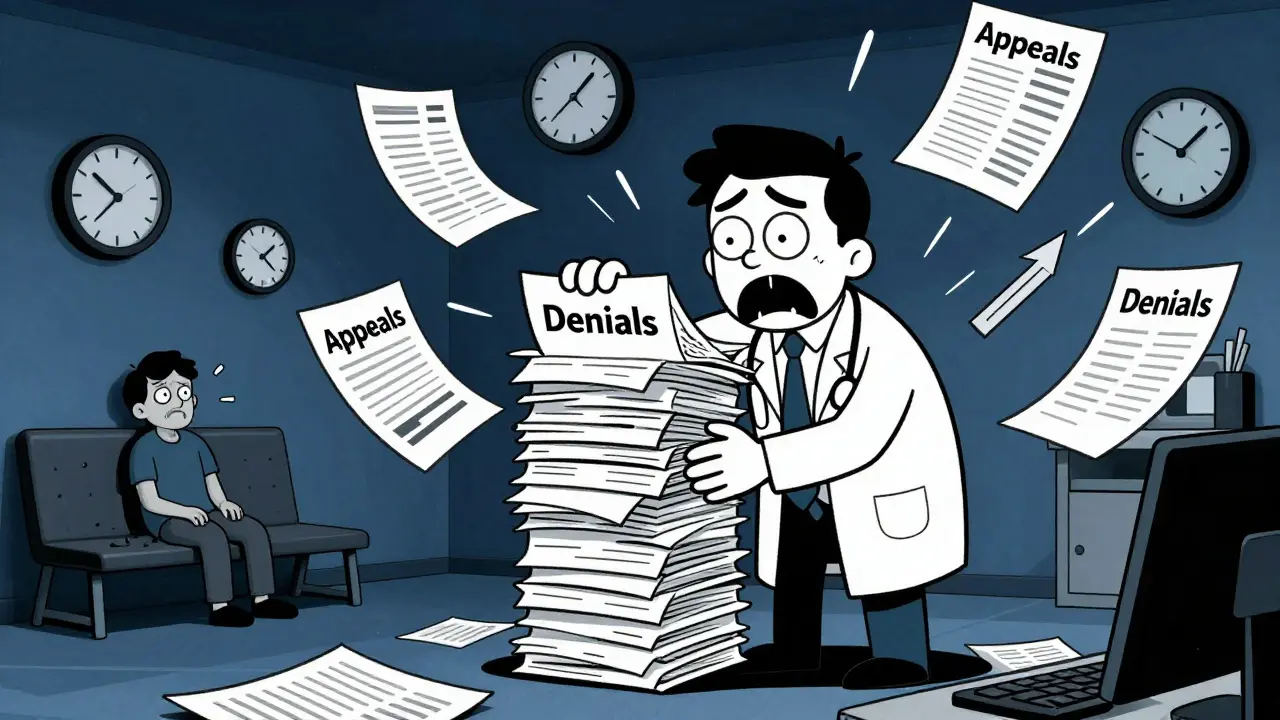
5. The Denial Path
If denied, your doctor can appeal the decision. This involves submitting additional records, lab results, or letters of medical necessity. Appeals can sometimes overturn denials, but they add more time to the process.
Pro Tips to Speed Up Approval
Waiting around isn’t always an option. If you need your medication quickly, here are some strategies to move the needle:
- Ask for an Urgent Request: If your condition is severe or worsening, ask your doctor to file an urgent prior authorization. Insurers often expedite these cases, sometimes deciding within 24-72 hours.
- Pay Upfront and Reimburse Later: In some cases, you can pay cash at the pharmacy and submit a reimbursement claim once the authorization is approved. Confirm this option with your insurer first.
- Follow Up Aggressively: Don’t assume silence means progress. Call your doctor’s office to confirm the request was submitted. Then call the insurance company’s customer service line to check status updates.
- Know Your Formulary: Familiarize yourself with your plan’s preferred drugs. If your doctor prescribes a non-preferred brand, suggest discussing alternatives that might bypass the authorization hurdle entirely.
Remember, emergencies are different. If you’re in crisis and need immediate treatment, prior authorization is usually waived. Coverage for emergency costs depends on your plan’s terms, so read the fine print.
| Scenario | Typical Timeline | Best Action |
|---|---|---|
| Standard Brand-Name Drug | 3-7 Days | Submit request early; follow up after 48 hours |
| High-Cost Specialty Med | 1-3 Weeks | Provide full treatment history; consider appeal if denied |
| Urgent/Emergency Case | 24-72 Hours | Request urgent review; document severity |
| Off-Label Use | 2-4 Weeks | Include peer-reviewed literature supporting use |
What Happens If You Get Denied?
A denial stings, but it’s not the end of the road. Insurers deny requests all the time, often due to missing information or strict adherence to step therapy protocols. Here’s what you can do:
Appeal the Decision: Your doctor can file an internal appeal, providing new evidence or clarifying misunderstandings. If that fails, you can escalate to an external review, where an independent third party evaluates your case.
Explore Alternatives: Talk to your doctor about other medications on your formulary that don’t require prior authorization. Sometimes switching to a similar drug saves weeks of hassle.
Check Patient Assistance Programs: For high-cost drugs, manufacturers often offer copay cards or grants. These can reduce out-of-pocket expenses even if insurance denies coverage temporarily.
Don’t give up easily. Persistence pays off, especially when your health is on the line.
Does prior authorization mean my drug isn’t covered?
No. Prior authorization means the drug is potentially covered, but the insurer needs to verify medical necessity first. It’s a checkpoint, not a rejection.
Can I skip prior authorization if I’m willing to pay cash?
Yes, but it’s risky. Paying cash avoids the wait, but you lose insurance protection and may face higher long-term costs. Always confirm with your insurer if reimbursement is possible later.
How long does a prior authorization last?
It varies by plan. Some approvals last for one year, others tie to your refill schedule. Once expired, you’ll need to reapply, though repeat requests are often faster.
Who is responsible for filing the prior authorization?
Your prescribing doctor handles the submission. However, you should follow up to ensure it’s sent promptly and track its status with both your provider and insurer.
Is prior authorization required for emergency situations?
Generally no. Emergency care bypasses prior authorization requirements. Coverage terms still apply, so review your plan’s emergency provisions beforehand.




Kris Wong
May 22, 2026 AT 04:57They're just trying to keep you sick so you stay dependent on the system. It's a control mechanism, plain and simple. The big pharma companies and insurance giants are in bed together, creating artificial barriers to make money off your desperation. You think they care about 'clinical guidelines'? Please. They care about their quarterly earnings reports. I've seen how this works from the inside, and it's a rigged game designed to break your spirit until you give up or go bankrupt. Don't let them tell you it's for your safety. It's for their profit. Wake up and smell the corruption. 🚩👁️🗨️💸
Mikey Mann
May 22, 2026 AT 15:14It is interesting to consider the philosophical underpinnings of trust in medical systems. While the process feels bureaucratic, perhaps we can view it as an opportunity to engage more deeply with our own health narratives. Every hurdle is a chance to advocate for yourself and understand the machinery that supports your well-being. There is beauty in persistence, isn't there? We must find the light even in the darkest administrative mazes. Keep pushing forward, my friends. 🌟
Mollie Louise
May 23, 2026 AT 21:48I absolutely love how this guide breaks down such a complex topic into manageable steps! It really empowers us to take charge of our healthcare journey instead of feeling helpless against the machine. I have found that when I approach these interactions with a positive attitude and clear documentation, the staff members are much more willing to help me navigate the process efficiently. Remember, every small victory counts toward our overall health goals, so let's celebrate each approval we receive along the way! 💪✨
Christina Moran
May 24, 2026 AT 05:06i mean like why do we even need this stuff tho?? its so annoying and takes forever. i had to wait like 3 weeks for my meds last time and it was crazy stressful. maybe if they just trusted doctors more it would be easier for everyone. but whatever, at least now i know what to expect next time hopefully.
mardy duffy
May 25, 2026 AT 00:37boring
Desirea Gaona
May 26, 2026 AT 16:50It is imperative that we recognize the systemic nature of these challenges. Prior authorization is not merely an inconvenience; it is a structural barrier that disproportionately affects vulnerable populations. We must advocate for policy changes that prioritize patient access over corporate profitability. Your voice matters in this discourse, and I encourage you to participate in local health committees where these decisions are often made behind closed doors. Together, we can foster a more equitable healthcare environment for all citizens.
Yuvraj Singh
May 27, 2026 AT 20:56In India, we face similar issues with generic substitutions and prior approvals for newer drugs. However, the digital infrastructure here has improved significantly, allowing for faster electronic submissions. I suggest using apps that track your prescription status in real-time. It reduces anxiety and helps you follow up effectively. Collaboration between patients and providers is key to overcoming these hurdles. Stay informed and proactive!
Dana Ellington
May 29, 2026 AT 02:40OMG this happened to me last week!!! I was so stressed out because my daughter needed her ADHD meds and the pharmacy said no prior auth. I called the doctor office and they were like oh yeah we forgot to send it. Then I called the insurance company and they were super rude. But guess what?? I appealed it and got it approved in 2 days! You guys gotta fight for your rights!! 😡➡️😄
victoria catharinaa
May 31, 2026 AT 00:19You are wasting your time reading this garbage. Just pay cash. Stop whining about insurance companies. They are doing their job. If you cant afford it then thats your problem. Not theirs. Get over it.
Glen Speck
May 31, 2026 AT 14:45the issue is deeper than just paperwork. its about who holds power in the health system. when insurers dictate treatment options they undermine the doctor-patient relationship. we need to respect boundaries but also challenge unjust systems. silence is complicity.
Sam Mackellar
June 2, 2026 AT 13:07One must acknowledge the necessity of regulatory frameworks in maintaining quality standards. However, the implementation often lacks transparency and efficiency. It is essential to demand clearer communication channels from insurance providers. Patients deserve to understand the rationale behind denials without resorting to lengthy appeals processes. Let us strive for a system that balances fiscal responsibility with compassionate care.