For decades, if you suffered from migraines, your doctor’s toolkit looked like a pharmacy aisle for other conditions. You were handed antidepressants meant for depression, blood pressure pills for hypertension, or seizure medications for epilepsy. None of these drugs were designed to stop migraines; they just happened to have side effects that sometimes reduced headache frequency. Then, in May 2018, everything changed. The FDA approved the first class of medications built specifically for one purpose: preventing migraines. These are CGRP inhibitors, a groundbreaking class of preventive medications that target calcitonin gene-related peptide to block migraine signals before they start. They are not repurposed leftovers. They are precision tools engineered for the migraine brain.
If you have tried multiple preventives without success, or if you dread the side effects of older drugs, CGRP inhibitors might be the reset button you’ve been waiting for. But they aren’t magic wands. Understanding how they work, who they help most, and what they cost is crucial before you start this journey. Let’s break down exactly what these medications are, how they differ from traditional treatments, and whether they fit your specific situation.
What Exactly Are CGRP Inhibitors?
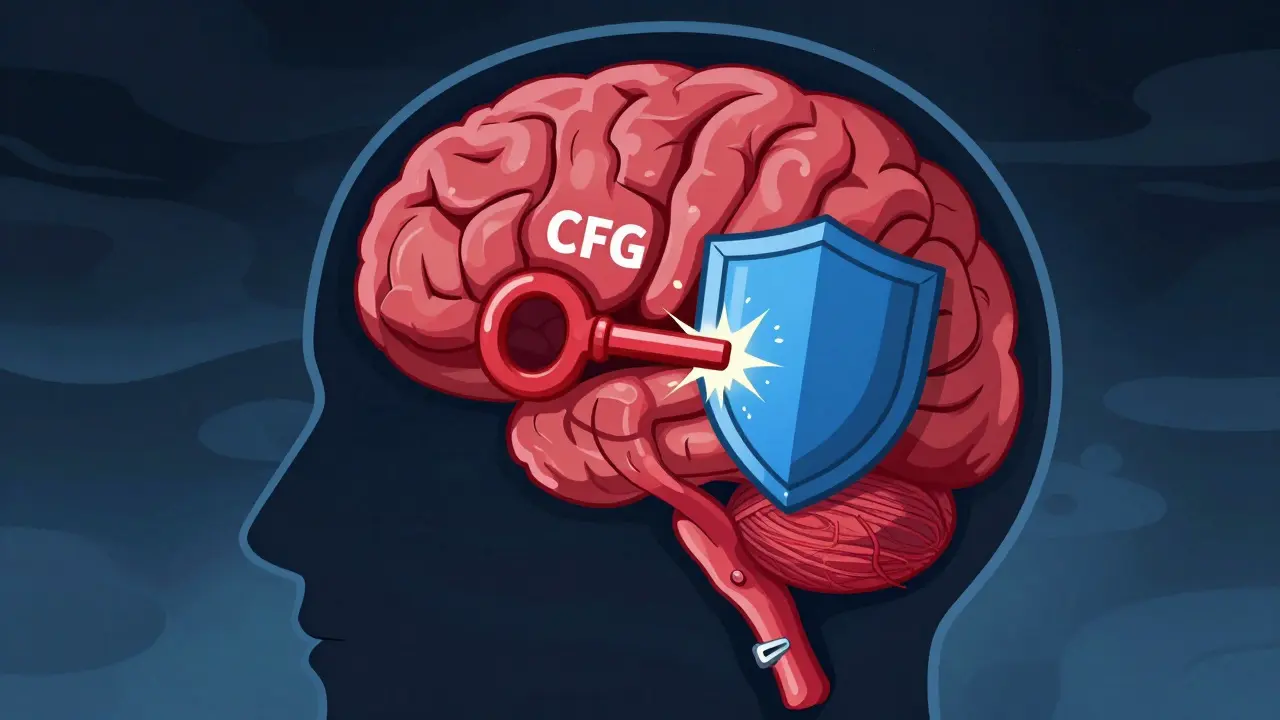
To understand why these drugs are revolutionary, you need to know what they target. During a migraine attack, your nervous system releases a protein called calcitonin gene-related peptide (or CGRP). Think of CGRP as the gas pedal for pain. It widens blood vessels (vasodilation) and sends intense pain signals from your trigeminal nerve to your brain. Most older migraine meds try to squeeze the blood vessels shut (like triptans) or dampen overall brain activity (like topiramate). CGRP inhibitors do something different: they simply block the receptor that CGRP needs to bind to. If CGRP can’t dock at the receptor, the pain signal never gets sent.
This mechanism makes them unique. Because they don’t constrict blood vessels, they are generally safer for patients with cardiovascular risks-a common concern among migraine sufferers. There are two main types of CGRP inhibitors currently on the market:
- Monoclonal Antibodies (mAbs): These are large proteins delivered via injection. They include erenumab (Aimovig), fremanezumab (Ajovy), galcanezumab (Emgality), and eptinezumab (Vyepti). These are primarily used for prevention.
- Gepants (Small Molecule Antagonists): These are oral pills or nasal sprays. While originally developed for acute treatment (stopping a migraine once it starts), some, like rimegepant (Nurtec ODT), are now approved for both acute relief and prevention.
The distinction matters because administration varies wildly. mAbs require monthly or quarterly shots, while gepants are taken orally. Your preference for injections versus pills often dictates which path you take.
How Do They Compare to Traditional Preventives?
You might wonder why we didn’t have these sooner. The truth is, developing a drug specifically for migraine is incredibly complex. Before 2018, doctors relied on "repurposed" drugs. Topiramate (Topamax), propranolol (Inderal), and valproic acid were the staples. They worked for some, but the side effect profiles were harsh. Brain fog, weight loss, hair thinning, and tremors were common complaints.
CGRP inhibitors offer a cleaner profile. A head-to-head study published in Neurology in 2022 compared erenumab directly against topiramate. The results were stark: 40.7% of patients on erenumab saw at least a 50% reduction in monthly migraine days, compared to only 23.8% on topiramate. More importantly, fewer people dropped out of the CGRP group due to side effects. This isn’t just about efficacy; it’s about tolerability. When a drug doesn’t make you feel like a zombie, you’re more likely to keep taking it.
| Feature | Traditional Preventives (e.g., Topiramate) | CGRP Monoclonal Antibodies |
|---|---|---|
| Origin | Repurposed from other conditions | Designed specifically for migraine |
| Mechanism | Broad CNS suppression or vasoconstriction | Targeted blockade of CGRP pathway |
| Side Effects | Brain fog, weight change, tremors | Injection site reactions, constipation |
| Cardiovascular Safety | Variable (some may raise BP) | No direct vasoconstriction |
| Cost | Low (generics available) | High ($650-$1,000+/month) |
However, there is a catch: cost. Generic topiramate costs pennies per day. CGRP inhibitors run $650 to over $1,000 per month. This price gap is the biggest barrier to entry, though insurance coverage has improved significantly since their launch.
Who Benefits Most From CGRP Inhibitors?
Not everyone needs a CGRP inhibitor. If you get one mild migraine a year, these drugs are overkill. They shine brightest for specific patient profiles. According to the American Headache Society, they are particularly effective for:
- Chronic Migraine Sufferers: Those experiencing 15 or more headache days per month. Clinical trials showed 84.3% of chronic migraine patients saw reduced frequency.
- Patients with Medication Overuse Headache (MOH): Unlike older preventives, CGRP inhibitors can be started even if you are still using acute meds too frequently. They help break the cycle of rebound headaches.
- Those Who Failed Multiple Therapies: About 30% of patients in trials reported significant improvement after failing at least two previous preventive medications.
- People with Cardiovascular Risks: Since they don’t constrict blood vessels, they are a safer bet than triptans for those with heart disease history.
If you fall into these categories, you are likely a strong candidate. However, if you have very low baseline migraine frequency (fewer than four days a month), the dramatic reduction seen in clinical trials may not be as noticeable for you personally.
Real-World Expectations: Efficacy and Side Effects
Let’s talk numbers. In clinical settings, about 50% of patients achieve a 50% reduction in migraine days. That sounds modest until you realize what it means for daily life. If you had eight migraine days a month, you might drop to four or fewer. For many, this shift converts them from "chronic" to "episodic," which drastically improves quality of life.
Patient feedback from forums like Reddit’s r/migraine community reflects this. A 2023 analysis of hundreds of posts showed 82% positive sentiment. Users frequently cited going from 20+ migraine days to under five. One verified review noted, "After 15 years of chronic migraine, Emgality got me down to episodic in 3 months. Life-changing."
But it’s not all smooth sailing. The most common side effect for monoclonal antibodies is injection site reaction-redness, itching, or swelling where the shot goes in. About 28% of users report this. Constipation is another frequent complaint, especially with erenumab. For gepants, liver enzyme elevations are a potential risk, requiring occasional monitoring. Crucially, CGRP inhibitors are preventives. They do not stop a migraine that has already started. You still need acute rescue medication (like a triptan or a gepant pill) for breakthrough attacks.

Navigating Cost and Insurance
The elephant in the room is price. With list prices ranging from $650 to $1,000+ per month, self-pay is impossible for most. Fortunately, the landscape has shifted. Most U.S. insurance plans now cover these drugs, but the process is rarely instant. You will likely face a prior authorization hurdle. Insurers often require proof that you failed cheaper alternatives first, despite guidelines suggesting CGRPs can be first-line.
Here is how to navigate it:
- Prepare Documentation: Keep a detailed headache diary. Document every failed trial of topiramate, beta-blockers, or anticonvulsants. Include dates, dosages, and reasons for discontinuation (side effects vs. lack of efficacy).
- Leverage Manufacturer Support: Companies like Amgen (Aimovig), Eli Lilly (Emgality), and Teva (Ajovy) have robust patient assistance programs. They often cover copays and provide dedicated support agents to fight insurance denials.
- Appeal Denials: Initial rejections are common. Have your neurologist write a letter of medical necessity highlighting your specific contraindications to older drugs or your high burden of disease.
In the UK and other regions with nationalized healthcare, access is determined by bodies like NICE. Criteria are strict, usually limiting approval to those who have failed multiple conventional therapies. Check your local health service guidelines early.
The Future of Migraine Treatment
We are still in the early chapters of the CGRP era. Research is moving fast. Scientists are exploring combination therapies, pairing CGRP mAbs with Botox for synergistic effects. Early studies suggest this combo could help patients who plateau on either treatment alone. Additionally, new delivery methods are in phase 2 trials, including intranasal sprays and transdermal patches, aiming to eliminate the needle fear entirely.
Pediatric formulations are also on the horizon, with phase 3 trials for adolescents recently completed. As patents expire around 2028, biosimilars may eventually drive costs down, making these life-changing drugs accessible to a broader population. For now, CGRP inhibitors represent a paradigm shift. They prove that migraine is a distinct neurological disorder deserving of its own targeted solutions, not just an afterthought in general neurology.
Do CGRP inhibitors cure migraines?
No, CGRP inhibitors do not cure migraines. They are preventive medications that reduce the frequency, severity, and duration of attacks. If you stop taking them, your migraine symptoms will likely return to their pre-treatment levels.
Can I use CGRP inhibitors if I have heart disease?
Generally, yes. Unlike triptans, which constrict blood vessels, CGRP inhibitors do not cause vasoconstriction. This makes them a safer option for patients with cardiovascular risk factors, but you should always consult your cardiologist and neurologist before starting any new medication.
How long does it take for CGRP inhibitors to work?
Most patients notice a reduction in migraine frequency within the first month. However, full therapeutic benefits may take up to three months. Consistency is key; missing doses can reduce effectiveness.
Are CGRP inhibitors safe for long-term use?
Current data shows they are well-tolerated for long-term use, with safety studies extending up to five years showing no major unexpected adverse events. However, because they are relatively new, long-term effects beyond a decade are still being monitored.
What happens if I miss a dose?
If you miss a monthly injection, take it as soon as you remember. If it’s close to your next scheduled dose, skip the missed one and resume your regular schedule. Do not double up doses. For daily gepants, follow the specific instructions provided by your doctor or the package insert.