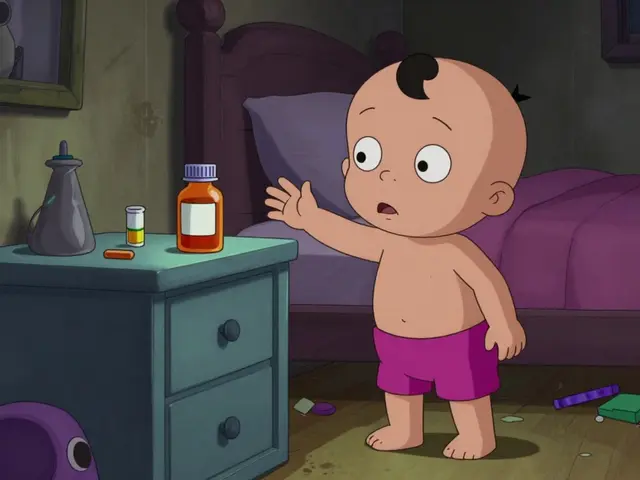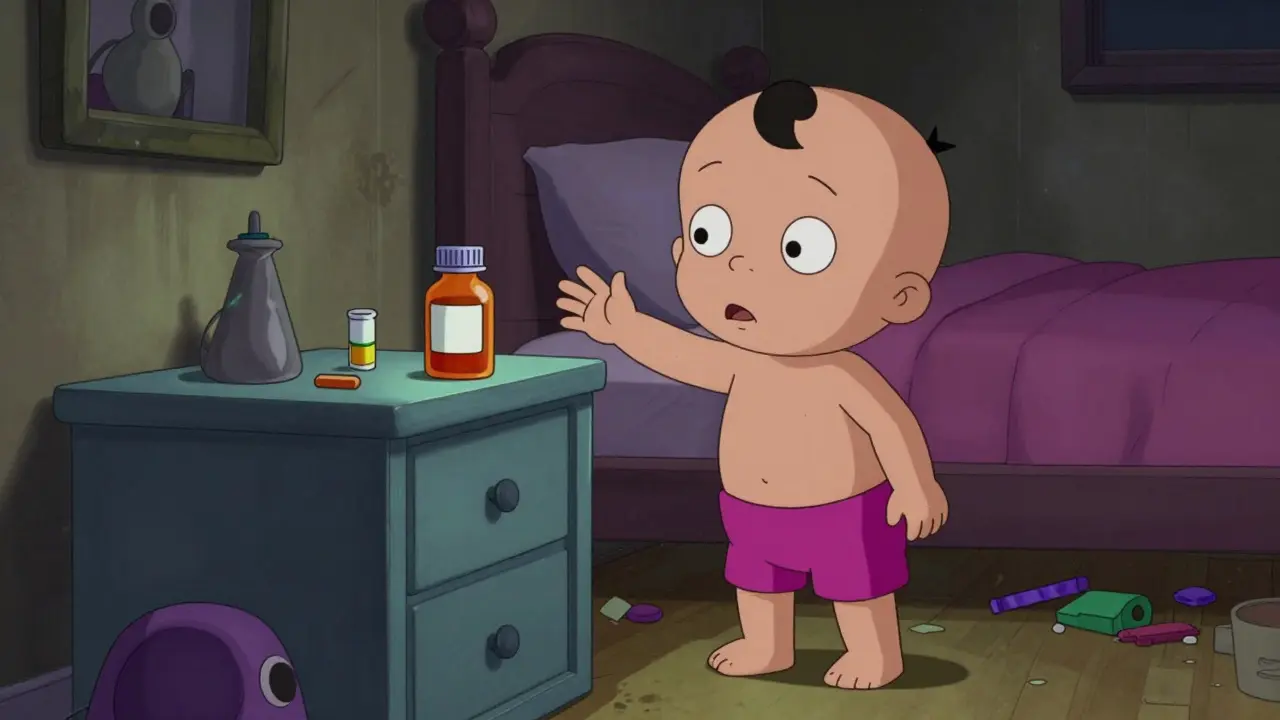
It happens in a split second. A toddler wanders into the bedroom, spots a colorful bottle on the nightstand, and manages to twist off the cap before you can react. For millions of parents, this nightmare scenario is not just a fear-it is a statistical reality. Accidental pediatric medication overdose remains one of the leading causes of emergency department visits for young children. But here is the good news: most of these incidents are entirely preventable with the right knowledge, tools, and habits.
You do not need to be a pharmacist to keep your home safe. You just need to understand how accidents happen and what specific steps stop them. From understanding the limits of child-resistant packaging to knowing exactly when to call for help, this guide breaks down the science of safety into actionable advice you can start using today.
The Scale of the Problem
To understand why we need better habits, we have to look at the data. The Centers for Disease Control and Prevention (CDC) launched the PROTECT Initiative (PRevention of Overdoses and Treatment Errors in Children Taskforce) in 2008 to tackle this crisis head-on. Why? Because the numbers were alarming. In 2010, emergency room visits for unsupervised medication exposures among children under five peaked at 76,000. That was a 30 percent jump from the early 2000s.
Children under five are at the highest risk because of their developmental stage. They explore the world by touching, tasting, and putting things in their mouths. Their curiosity is natural, but it clashes dangerously with our modern medicine cabinets. The PROTECT Initiative brings together pharmaceutical companies, government agencies, and health experts to create strategies that work. Thanks to these coordinated efforts, ED visits related to pediatric medication overdoses dropped by 25 percent between 2010 and 2020. However, the threat has not disappeared. Liquid acetaminophen and diphenhydramine still account for nearly half of all overdose cases, making vigilance more important than ever.
Why Child-Resistant Caps Are Not Enough
Many parents assume that if a bottle has a special cap, it is safe. This is a dangerous myth. Child-resistant packaging, required by the Poison Prevention Packaging Act of 1970, reduces access by about 50 percent according to Consumer Product Safety Commission testing. But "reduces" does not mean "eliminates."
Here is the hard truth: research shows that 10 percent of children can open child-resistant packaging by age 42 months. If your child is determined, they might figure out the twist-and-push mechanism. Furthermore, only 58 percent of households use these caps correctly. Many adults leave the caps loose or partially open for convenience, rendering them useless.
To truly protect your child, you must treat these caps as a secondary barrier, not the primary one. Always press down and turn until you hear the click. If the cap feels loose, tighten it immediately. Remember, child-resistant means it is harder for a child to open, not impossible. It buys you time, but it does not guarantee safety.
The Dosing Device Disaster
If packaging is the first line of defense, dosing accuracy is the second. And this is where most errors occur. Analysis of 1,200 medication error cases reported to the National Poison Data System in 2022 revealed that 78.3 percent involved mistakes with liquid medications. The culprit? Kitchen spoons.
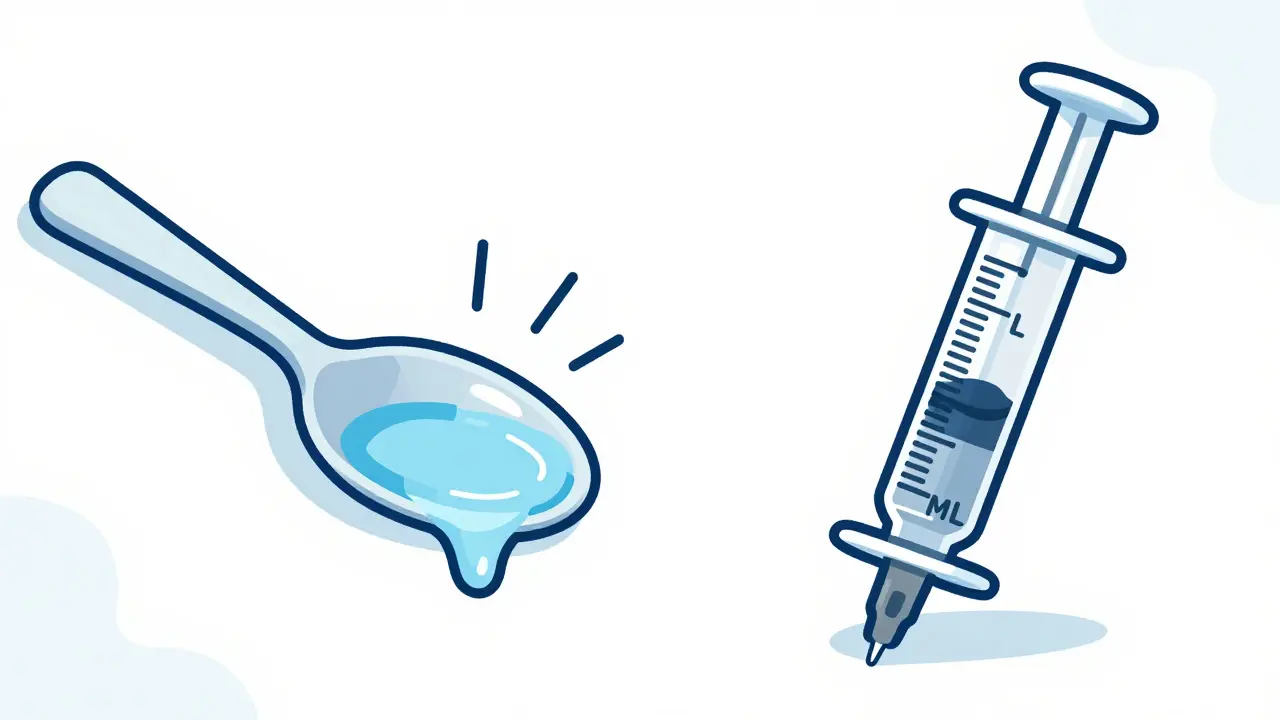
Parents often reach for a teaspoon or tablespoon from the drawer because the official dosing syringe is missing or inconvenient. But a kitchen teaspoon holds anywhere from 4.9 to 5.3 milliliters, while a medical teaspoon is standardized. More importantly, many parents confuse different concentrations of the same drug. Infant acetaminophen is twice as concentrated as children’s acetaminophen. Using the wrong bottle with the same spoon size can lead to a double dose instantly.
Standardized mL labeling has become the gold standard. The CARES Act mandated that all pediatric liquid medications use milliliters (mL) instead of teaspoons or tablespoons on labels and devices. By 2022, 95 percent of manufacturers complied. Always use the dosing device that comes with the medicine. If you lose it, ask your pharmacist for a replacement. Never guess. Never use a kitchen utensil.
| Method | Accuracy | Risk Level | Recommendation |
|---|---|---|---|
| Kitchen Spoon | Low (varies by brand) | High | Never use |
| Oral Syringe (mL marked) | High | Low | Use always |
| Dropper | Medium | Medium | Only if specified |
Safe Storage: Up, Away, and Out of Sight
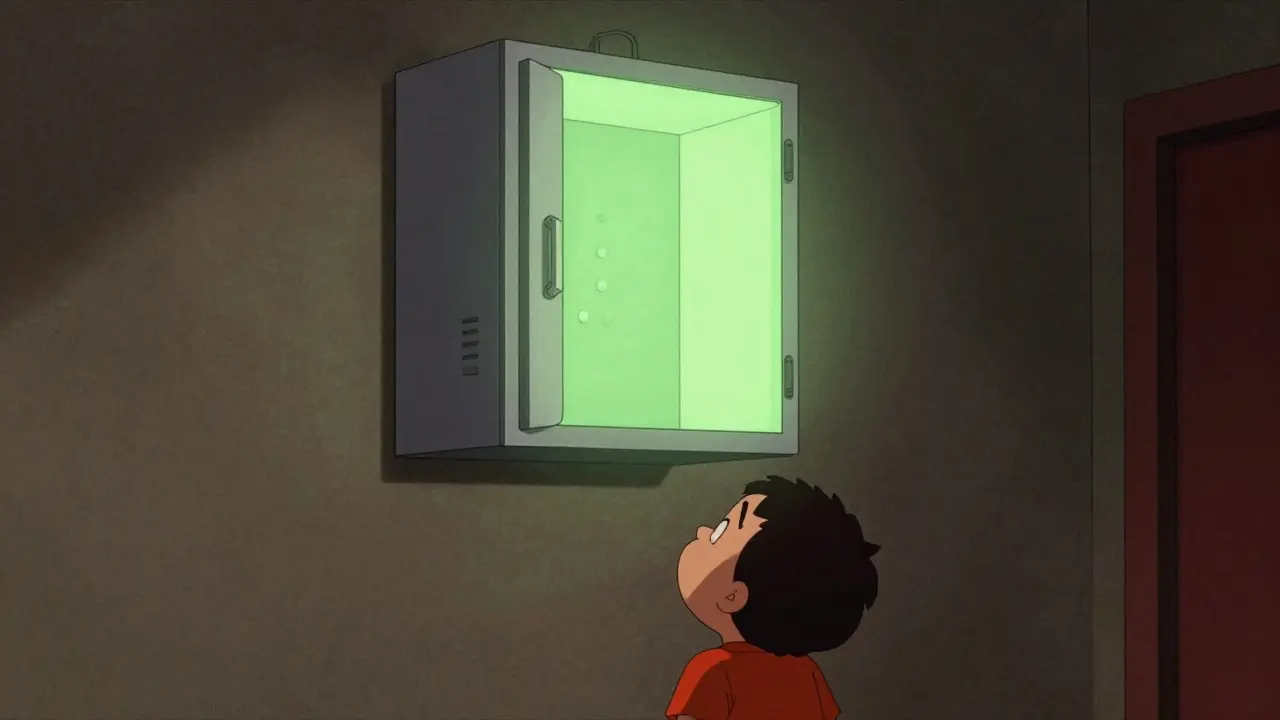
Where you store medication matters as much as how you dose it. The CDC’s PROTECT Initiative promotes the "Up and Away" campaign. This means keeping all medicines in locked cabinets, at least four feet off the ground, and out of direct sight.
Why four feet? Most toddlers cannot reach that high, and even if they stand on furniture, it is difficult to maintain balance while twisting a cap. Why locked? Because keys are small and can be hidden away. Why out of sight? Because children are drawn to what they see. If they don’t see the bottle, they are less likely to seek it out.
Common mistakes include leaving pills on bathroom counters after a morning routine or storing vitamins in drawers near toys. These casual habits create opportunities for disaster. One parent shared on Reddit how their two-year-old accessed blood pressure medication left on a nightstand. The lesson was harsh but clear: locked cabinet, every single time.
Additionally, dispose of unused medications properly. Do not flush them unless instructed. Use local take-back programs or follow FDA disposal guidelines. Unused opioids, in particular, pose a severe risk. Dr. Mehul Raval, a pediatric surgery expert, emphasizes that safe disposal is critical to preventing tragedy. If you have leftover pills, get rid of them.
Responding to an Overdose: What to Do Now
Despite your best efforts, accidents can happen. If you suspect your child has ingested too much medication, stay calm and act quickly. Panic slows you down; clarity saves lives.
- Call Poison Control: In the United States, dial 1-800-222-1222. This number connects you to experts who can guide you through immediate steps. Have the medication bottle ready to provide details on ingredients and concentration.
- Do Not Induce Vomiting: Unless explicitly told to do so by a professional, do not make your child throw up. This can cause aspiration or further damage.
- Monitor Breathing: Watch for signs of respiratory distress, especially with opioid overdoses. Slow, shallow, or stopped breathing is a medical emergency.
- Administer Naloxone if Applicable: If the overdose involves opioids and you have naloxone (Narcan), administer it immediately. The American Academy of Pediatrics now recommends co-prescribing naloxone with opioid prescriptions. Intranasal naloxone is easy to use and can reverse opioid effects within minutes.
- Go to the ER: If advised by Poison Control or if symptoms are severe, go to the nearest emergency department. Bring the medication container with you.
Knowledge is power. Knowing the signs of overdose-such as extreme drowsiness, confusion, or difficulty waking up-can save precious time. The SAMHSA Overdose Prevention Toolkit provides detailed protocols for recognizing these signs. Keep poison control numbers saved in your phone and posted on your fridge.
The Future of Pediatric Safety
We are moving toward a safer future. The FDA plans to implement standardized flow restrictors on all liquid opioid formulations by 2025. These devices limit the amount of liquid that can be poured out at once, reducing the risk of large accidental ingestions. Additionally, the CDC is expanding its education campaigns to 12 new languages by 2026, ensuring that non-English speaking families have access to critical safety information.
Smart packaging technologies like AdhereIT’s adherence system and Hero Health’s automated dispensers offer promising solutions, though cost remains a barrier for many low-income families. Until these become widely accessible, sticking to the basics-locked storage, proper dosing devices, and immediate disposal-is your best defense.
The goal is clear: reduce ED visits for medication overdoses among children under five by 10 percent from 2019 levels by 2030. We have already seen a 6.2 percent reduction by 2023. Every family that adopts these practices contributes to that progress. Your vigilance protects not just your child, but helps build a safer society for all.
What should I do if my child swallows a pill?
Immediately call Poison Control at 1-800-222-1222. Have the medication bottle ready to tell them the name, strength, and estimated amount ingested. Do not induce vomiting unless instructed. Monitor your child’s breathing and consciousness closely.
Are child-resistant caps foolproof?
No. Studies show that 10 percent of children can open them by age 42 months. They are designed to delay access, not prevent it entirely. Always store medications in locked cabinets out of reach, regardless of the cap type.
Can I use a kitchen spoon to measure liquid medicine?
Absolutely not. Kitchen spoons vary in size and are not accurate. Always use the dosing device provided with the medication, which is measured in milliliters (mL). Using the wrong device can lead to dangerous overdoses or underdoses.
How should I dispose of unused medications?
Use local drug take-back programs whenever possible. If unavailable, follow FDA disposal guidelines, which may involve mixing medications with unpalatable substances like coffee grounds and sealing them in a bag before trash disposal. Do not flush unless specifically directed on the label.
Is naloxone safe for children?
Yes. Naloxone is approved for use in children and is highly effective in reversing opioid overdoses. It has no effect if opioids are not present. The AAP recommends having naloxone on hand if your child is prescribed opioids.