Salmonellosis: What You Need to Know
When dealing with salmonellosis, a bacterial infection caused by Salmonella that typically spreads through contaminated food or water. Also called Salmonella infection, it can trigger stomach cramps, fever, and diarrhea. Understanding how antibiotics, drugs used to kill or stop bacterial growth and proper food safety, practices like cooking meat thoroughly and washing produce work together is key to managing the illness.
One of the first steps after symptoms appear is to stay hydrated and monitor the severity of the disease. Mild cases often resolve on their own, but moderate to severe infections may need medical intervention. Doctors frequently prescribe antibiotics such as ciprofloxacin or azithromycin, especially when the infection spreads beyond the gut. However, the rise of antibiotic resistance makes it vital to use these drugs responsibly. This is where antibiotic stewardship comes into play: choosing the right drug, dose, and duration to clear the bacteria while minimizing resistance risks.
Supporting Recovery with Gut Health
Beyond medication, supporting the digestive system can speed up recovery. Digestive enzymes, proteins that break down food components like fats, proteins, and carbohydrates aid nutrient absorption, which may be compromised during a bout of diarrhea. Over-the-counter enzyme supplements or enzyme-rich foods such as papaya and pineapple can help restore balance, especially when the gut lining is irritated. Pairing enzymes with probiotics—beneficial bacteria that repopulate the intestines—creates a two‑pronged approach: enzymes improve digestion, while probiotics rebuild the microbial community.
While antibiotics target the offending Salmonella, they can also disrupt the natural gut flora. This collateral damage underscores the importance of rebuilding a healthy microbiome after treatment. Simple steps like eating fiber‑rich vegetables, staying hydrated, and avoiding high‑sugar foods give the good bacteria a chance to recover. If symptoms persist beyond a week, a follow‑up with a healthcare provider is advisable to rule out complications such as bacteremia or chronic carrier states.
Prevention remains the most effective strategy. Practicing strict food safety, including proper storage temperatures, thorough cooking, and hand hygiene reduces exposure to Salmonella. For households with young children or elderly members, extra caution with eggs, poultry, and unpasteurized dairy can make a significant difference. Regular cleaning of kitchen surfaces, using separate cutting boards for raw meat, and washing hands after handling pets—especially reptiles, which are known carriers—are practical measures that curb the spread of the bacteria.
In summary, salmonellosis is a foodborne illness that hinges on three pillars: accurate diagnosis, effective antibiotic treatment, and robust gut support. By combining responsible antibiotic use, enzyme‑rich nutrition, and diligent food safety habits, you can navigate the illness with confidence. Below, you’ll find a curated set of articles that dive deeper into each of these areas, offering step‑by‑step guides, medication comparisons, and lifestyle tips to help you stay healthy and informed.
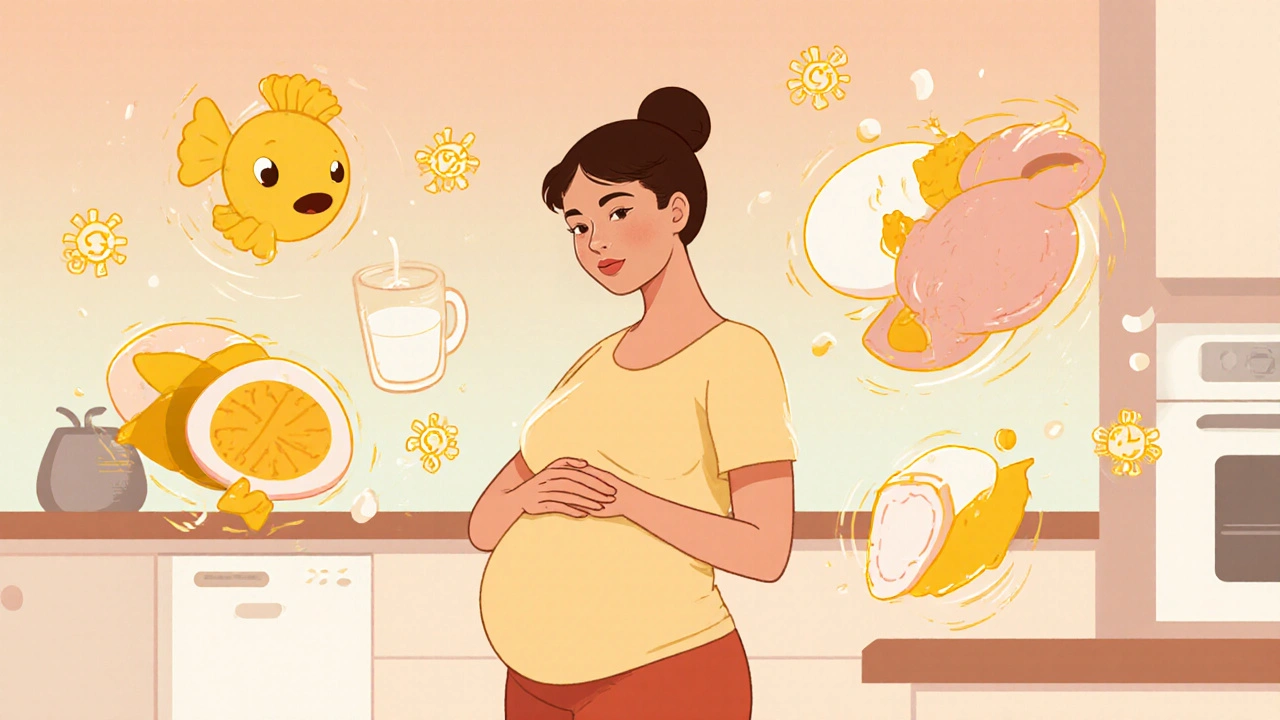
Salmonellosis During Pregnancy: Risks, Symptoms & Safe Treatment
Learn how salmonellosis affects pregnancy, spot symptoms, understand risks to the baby, and get safe treatment and food‑safety tips.