Pill Management: How to Take Medications Safely and Stay on Track
When you're managing multiple pills every day, pill management, the practice of organizing, timing, and monitoring medication use to ensure safety and effectiveness. Also known as medication adherence, it's not just about remembering your dose—it's about making sure each pill works as it should without causing harm. Too many people think if they take their medicine, they're doing it right. But what if your antacid cancels out your antibiotic? Or your fiber supplement traps your thyroid pill in your gut? Or your generic drug doesn't work the same as the brand because of how it's made? pill management is where those details make the difference between feeling better and ending up in the hospital.
It’s not just about the pills themselves—it’s about how they interact with everything else. drug interactions, when one medication or substance changes how another behaves in your body are silent killers. Dairy blocking your doxycycline? Antacids wiping out ciprofloxacin? Aged cheese triggering a hypertensive crisis with MAOIs? These aren’t rare edge cases—they happen every day because no one taught people how to read their labels. And then there’s generic drugs, medications that contain the same active ingredient as brand-name drugs but may differ in fillers, coatings, or release timing. Not all generics are created equal. Some are AB-rated and interchangeable. Others aren’t. The FDA’s Orange Book doesn’t just exist for pharmacists—it’s your cheat sheet for knowing which one you can safely switch to.
And let’s not forget medication safety, the system of practices and knowledge that prevents errors, overdoses, and harmful side effects. It’s not enough to know what your pill is for. You need to know when to take it, what to avoid eating with it, how long it lasts, and what to do if you miss a dose. That’s why stability testing, shelf life, and proper storage matter. That’s why pharmacists in Medication Therapy Management programs exist—to catch what you miss. That’s why your go-bag needs a 14-day supply of meds, not just bandages and water.
You don’t need to be a doctor to manage your pills. But you do need to know what questions to ask. What’s the real risk vs. benefit of this drug? Can this supplement interfere with my heart medication? Why does my generic look different this month? Is this medicine still safe after sitting in my bathroom for six months? The answers are in the posts below—straight from real cases, real science, and real people who learned the hard way. No fluff. No jargon. Just what you need to take your pills without putting your life at risk.
How to Use Blister Packs and Pill Organizers to Prevent Medication Mistakes
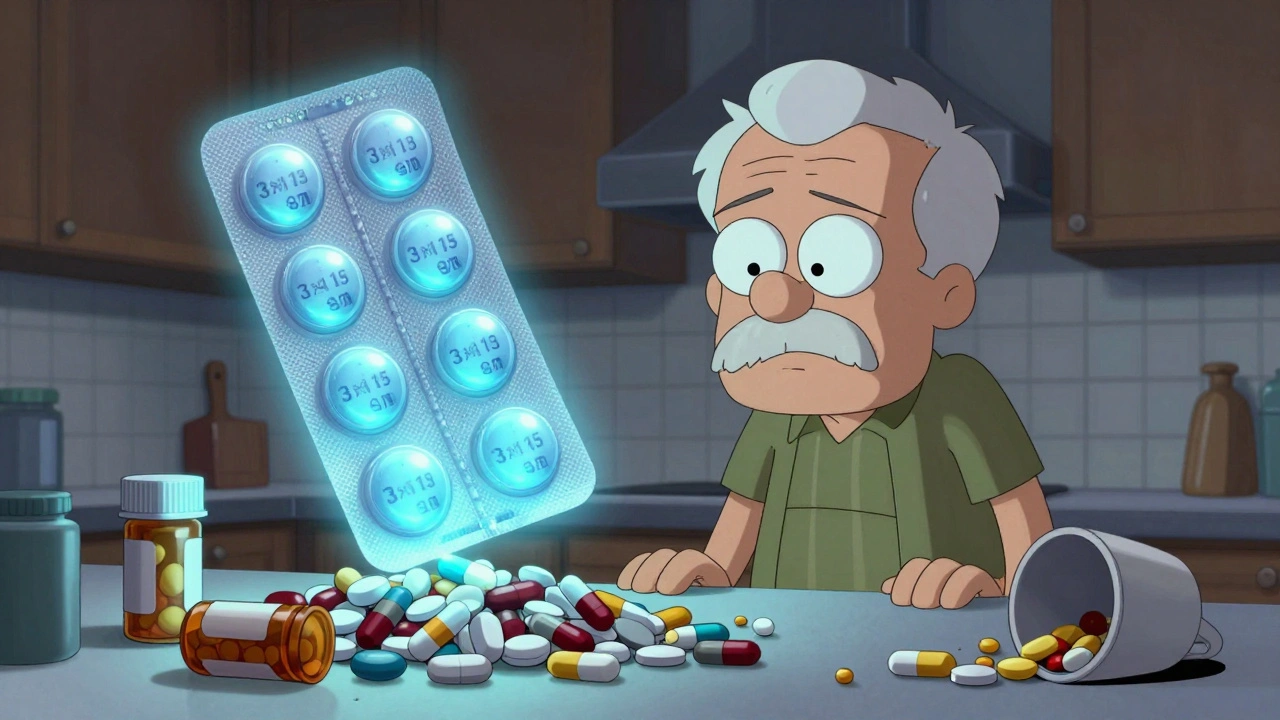
Blister packs and pill organizers help prevent medication mistakes and overdoses by organizing doses clearly. Blister packs are safer for complex regimens, while organizers work for simple routines. Learn how to choose, use, and get them covered.