Pharmacist Role: What They Do, Why It Matters, and How They Keep You Safe
When you pick up a prescription, the pharmacist role, a licensed health professional who ensures medications are safe, effective, and properly used. Also known as medication expert, they’re the last line of defense before a drug reaches your hands. Most people think pharmacists just count pills. But their real job? Preventing mistakes that could land you in the hospital. They spot when an antibiotic clashes with an antacid, warn you about cheese triggering a deadly blood pressure spike on MAOIs, or catch that your fiber supplement is blocking your thyroid med. These aren’t hypotheticals—they happen every day, and pharmacists are the ones who catch them.
Behind the counter, they’re also medication safety, the practice of ensuring drugs are taken correctly to avoid harm experts. They know that taking doxycycline with Tums cuts its effectiveness by 90%, or that skipping your inhaler’s rinse step can cause thrush. They’re the ones who explain why your patch needs to go on a hairless area, or how to time your insulin before meals. And when you’re confused about generics versus authorized generics, they cut through the marketing noise to tell you what’s actually the same drug. It’s not just advice—it’s science-backed, real-time risk management.
And it’s not just about pills. The pharmacy counseling, one-on-one guidance from a pharmacist about how to use medications safely and effectively you get online or in person can make or break your treatment. If you’re on beta-blockers and wondering why you’re so tired during walks, a pharmacist can tell you to stop chasing heart rate numbers and use perceived effort instead. If you’re using nasal spray daily and your congestion keeps coming back, they’ll recognize rebound rhinitis and show you how to break the cycle. These aren’t generic scripts—they’re personalized fixes based on what’s in your medicine cabinet right now.
They also handle the messy stuff no one talks about: what to pack in a go-bag for emergencies, how to store insulin when the power’s out, or whether your pet’s eye drops are the same as your kid’s. They know that clomipramine and cyproheptadine might be prescribed for OCD or Parkinson’s, but the side effects are different than what you read online. They’ve seen the results of skipping medication guides, mixing fiber with antibiotics, or ignoring tyramine warnings. Their job isn’t to sell you something—it’s to make sure you don’t accidentally hurt yourself.
Below, you’ll find real, practical guides written by people who’ve seen the consequences of getting it wrong. From how to read your label to avoid errors, to why staying on brand sometimes beats saving money, these aren’t theory pieces. They’re the lessons learned from actual mistakes—and the fixes that work.
Medication Therapy Management: How Pharmacists Optimize Generic Drug Use for Better Outcomes
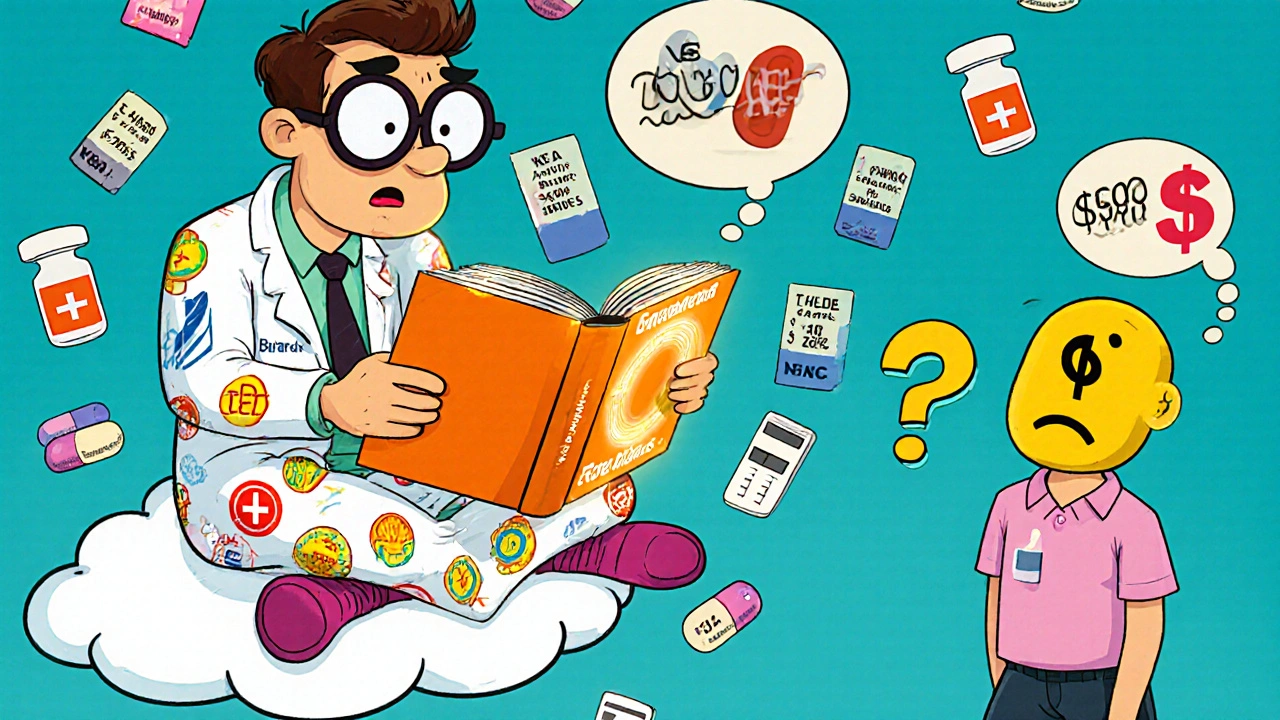
Pharmacists play a vital role in Medication Therapy Management by optimizing generic drug use to improve adherence, reduce costs, and prevent adverse events. Learn how MTM works and why it matters for patients on multiple medications.