Pharmaceutical Quality: What It Means and Why It Matters for Your Medications
When you take a pill, you expect it to work the way it should—no surprises, no side effects from poor manufacturing. That expectation is built on pharmaceutical quality, the set of standards that ensure medications are consistently safe, pure, and effective. Also known as drug quality assurance, it’s the invisible system that checks every batch of medicine from raw ingredients to the bottle on your shelf. This isn’t about branding or price tags. It’s about whether the active ingredient in your generic aspirin is the same strength as the brand-name version, whether your antibiotic will actually kill the infection, or if your insulin will deliver the right dose without clumping or degrading.
Pharmaceutical quality ties directly to generic drugs, medications approved by the FDA as bioequivalent to brand-name drugs. Many people assume generics are cheaper because they’re lower quality—but that’s not true. The FDA requires them to meet the same strict standards for dissolution, purity, and potency. But not all manufacturers follow through. That’s why some people report differences in how a generic works—sometimes it’s the filler, sometimes the coating, sometimes inconsistent manufacturing. medication safety, the practice of preventing harm from drugs due to errors or poor quality depends on this system working perfectly. A single batch of contaminated metformin or improperly stored epinephrine can cause real harm.
Behind every reliable medication is a chain of controls: testing raw materials, monitoring production environments, validating packaging, and tracking every lot number. FDA standards, the enforceable rules that govern how drugs are made, tested, and labeled in the U.S. are the baseline. But global supply chains mean ingredients might come from India, China, or elsewhere. That’s why quality isn’t just about the final product—it’s about the entire journey. When a drug fails quality checks, it’s not always because someone was careless. Sometimes it’s because cost-cutting pushed a supplier to skip a step. That’s why you’ll find articles here about how to spot authorized generics, why timing matters with antacids and antibiotics, and how fiber supplements can interfere with absorption. These aren’t random tips—they’re all connected to the bigger picture of pharmaceutical quality.
You don’t need to be a chemist to understand this. But you do need to know that not all pills are created equal. The difference between a safe, effective dose and a useless—or dangerous—one often comes down to whether quality controls were followed. Below, you’ll find real-world guides on how to read labels, avoid interactions, identify trustworthy generics, and protect yourself when your life depends on a tiny tablet. These aren’t theory pieces. They’re tools built from actual cases where quality made the difference between recovery and crisis.
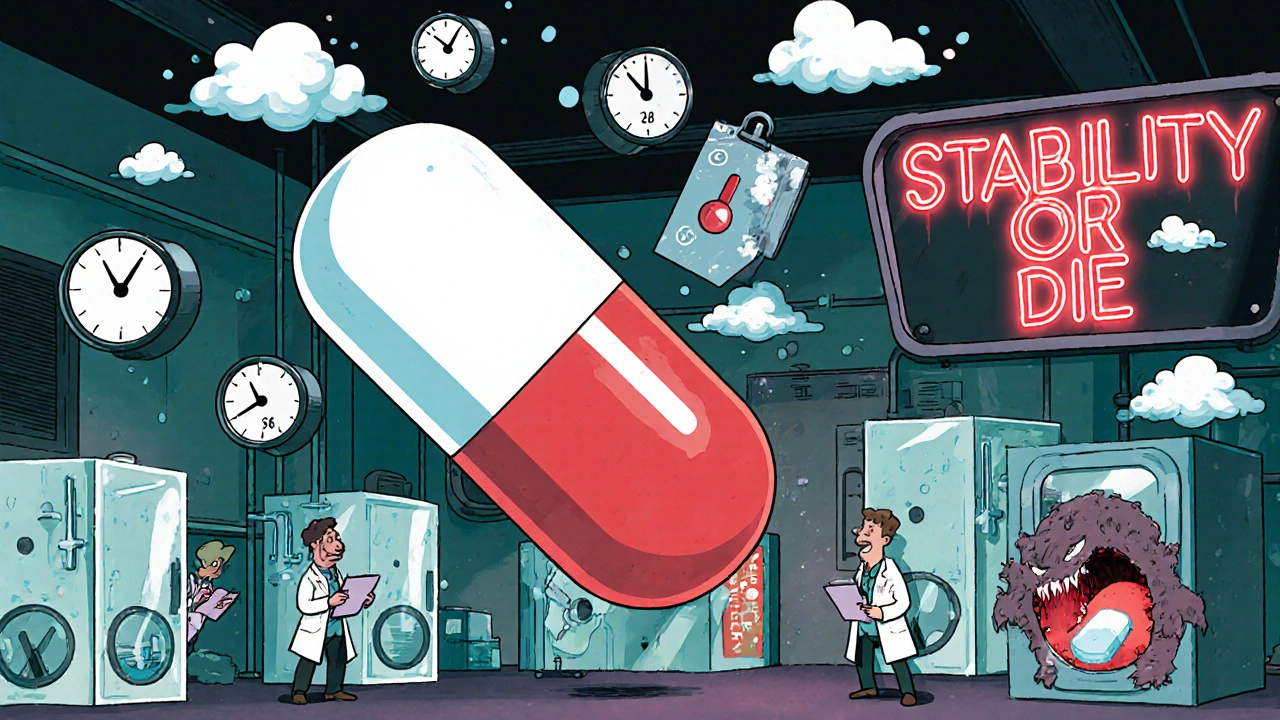
Stability Testing: Long-Term Quality Monitoring Post-Manufacture in Pharmaceuticals
Stability testing ensures pharmaceuticals remain safe and effective over time. It's a rigorous, regulated process that determines shelf life, prevents recalls, and protects patients - backed by ICH guidelines and real-world data.
Recent Post
-
Buy Cheap Generic Zyrtec Online - 2025 Guide
Oct, 9 2025