Pharmaceutical Patents: What They Are, Why They Matter, and How They Shape Your Medications
When you take a pill, the pharmaceutical patent, a legal monopoly granted to drug companies to exclusively produce and sell a new medication for a set time. Also known as drug patent, it’s the reason your prescription might cost $200 one year and $20 the next. These patents aren’t just legal paperwork—they’re the engine behind how medicines get made, priced, and replaced.
Behind every brand-name drug like Levitra or Clofranil is a patent that locks out competitors for 20 years, usually starting before the drug even hits shelves. That’s why you won’t find a generic version of a brand-new medication. But once that patent expires, companies can copy the formula and sell it for a fraction of the price. That’s what makes generic drugs, chemically identical versions of brand-name medications released after patent expiration so common in posts about Zyrtec, Omnacortil, or Diltiazem HCl. These generics aren’t cheaper because they’re lower quality—they’re cheaper because the patent protection is gone.
Patents also shape how drugs are developed. Companies invest billions to get a patent because it’s their only guarantee of recouping costs. That’s why you see so many posts about off-label uses—like cyproheptadine for Parkinson’s or chloramphenicol for pets. When the patent runs out, researchers and doctors look for new ways to use old drugs because there’s no profit in patenting the same molecule again. And that’s also why patent expiration, the moment a drug’s legal monopoly ends, allowing competitors to enter the market is such a big deal for patients, pharmacies, and insurers.
But it’s not always clean. Sometimes companies stretch patents with tiny changes—new coatings, dosages, or delivery methods—to delay generics. This is called evergreening, and it’s why some medications stay expensive long after their original patent should’ve expired. That’s why posts about drug pricing, like those comparing Malegra DXT Plus or Nicotex to alternatives, often tie back to patent status. If a drug’s patent is still active, you’re paying for innovation. If it’s expired, you’re paying for branding.
And then there’s the flip side: patents can block access. In low-income countries, lifesaving drugs stay out of reach because patents prevent local manufacturers from making affordable versions. Even in the U.S., some patients skip doses or split pills because they can’t afford the brand-name version before generics arrive. That’s why posts about medication adherence, drug interactions, and cost-saving tips often circle back to one thing: the patent clock.
So when you read about how mesalamine works for IBD, or how loteprednol treats eye inflammation, remember—those drugs were once protected by patents. Someone spent years and millions to get them approved, and now you can buy them cheaply because that protection ran out. The system isn’t perfect, but it’s the reason new treatments exist at all. And when patents expire, that’s when real change happens for patients: prices drop, choices multiply, and access improves.
Below, you’ll find real-world examples of how pharmaceutical patents affect everything from how you take your meds to what you pay for them. Whether you’re comparing alternatives, managing side effects, or just trying to understand why your prescription changed, the patent timeline is always in the background.
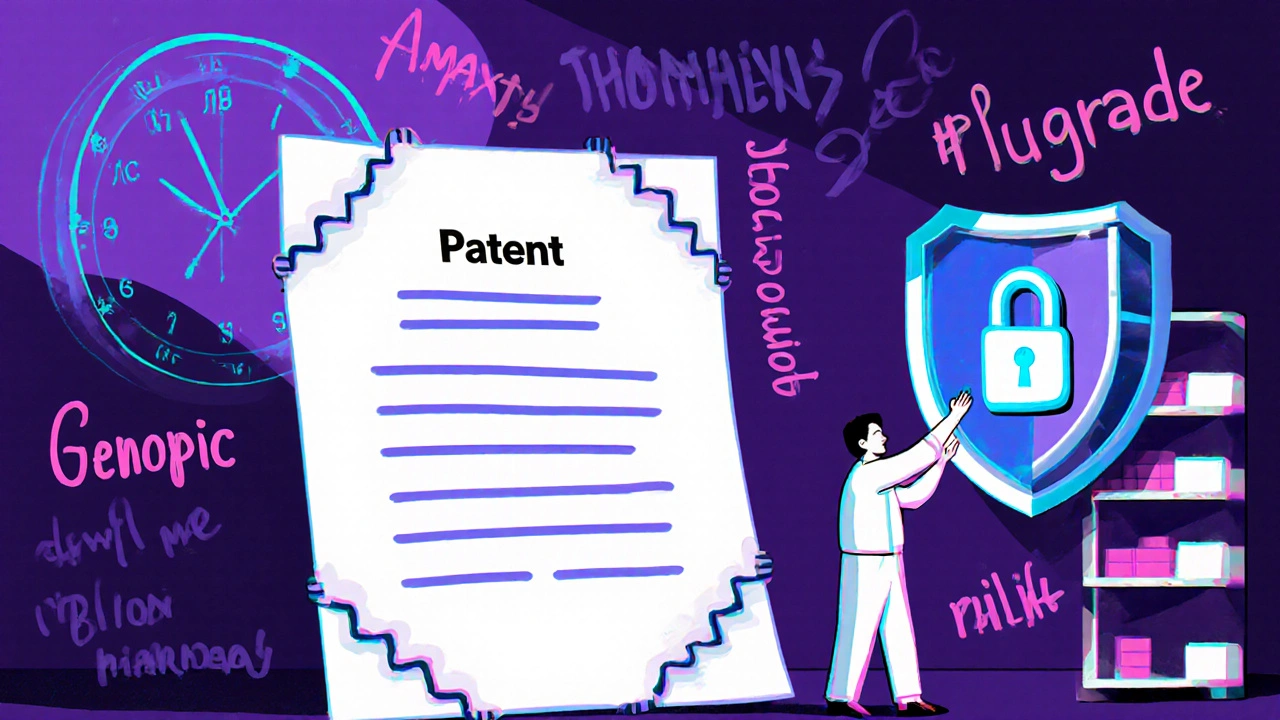
Patent Exclusivity vs Market Exclusivity: What’s the Real Difference in Drug Protection?
Patent exclusivity and market exclusivity are two separate legal protections for drugs. One comes from the patent office, the other from the FDA. Understanding the difference helps explain why some drugs stay expensive long after patents expire.
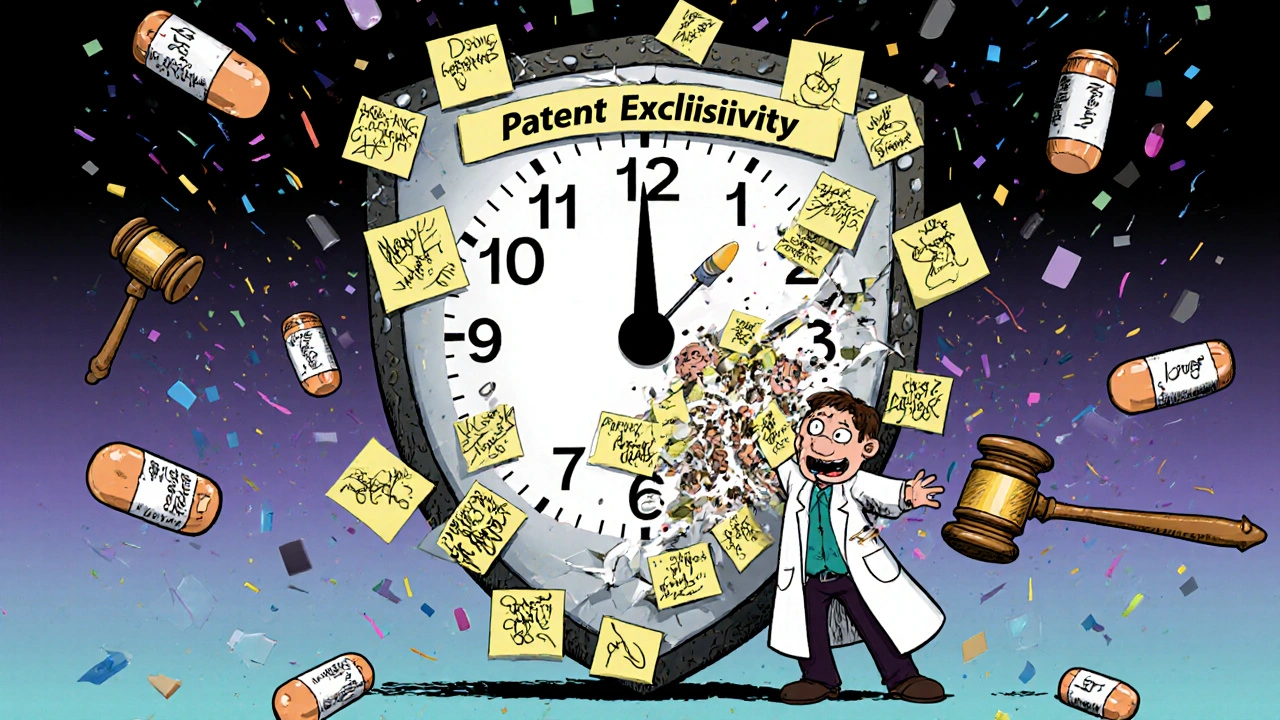
Patent Exclusivity vs Market Exclusivity: What’s the Real Difference for Drug Prices?
Patent exclusivity protects inventions, while market exclusivity blocks generic approvals based on clinical data. Understanding both is key to knowing why drug prices stay high-even after patents expire.