Panic Attacks: Understanding, Triggers, and Treatment Options
When dealing with panic attacks, intense, sudden episodes of fear that often bring physical symptoms like rapid heartbeat, shortness of breath, and a feeling of losing control. Also known as anxiety attacks, they can strike without warning and disrupt everyday activities. panic attacks are a type of anxiety disorder, and recognizing their pattern is the first step toward effective management.
Key Triggers and How They Influence the Mind‑Body Cycle
Panic attacks often stem from stress, caffeine, lack of sleep, or underlying health issues. The brain’s amygdala sends a rapid alarm signal, which triggers the fight‑or‑flight response. This surge releases adrenaline, causing the classic physical signs that many mistake for a heart problem. Understanding this loop helps you see why calming techniques and medical support can break the cycle.
Medication plays a crucial role when lifestyle tweaks aren’t enough. Cymbalta, an SNRI antidepressant commonly prescribed for anxiety and panic disorders works by balancing serotonin and norepinephrine, reducing the frequency and severity of attacks. Studies show that patients on Cymbalta often report fewer nighttime awakenings and a calmer response to stressors. Pairing this drug with therapy can accelerate recovery.
Another option many overlook is gabapentin, marketed as Neurontin, which is traditionally used for nerve pain but has shown promise in dampening the overactive neural pathways that trigger panic. Gabapentin stabilizes calcium channels in the brain, which can lessen the intensity of sudden fear spikes. When doctors prescribe it alongside a low‑dose antidepressant, patients often experience smoother transitions between calm and alert states.
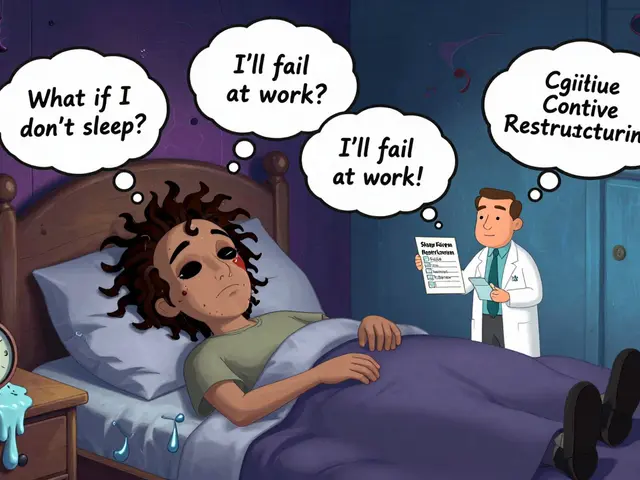
Beyond pills, cognitive‑behavioral therapy (CBT) remains a gold‑standard treatment. CBT teaches you to identify irrational thoughts, challenge them, and replace them with realistic coping statements. Exposure exercises gradually desensitize you to feared situations, reducing the brain’s alarm response over time. Combining CBT with medication like Cymbalta or gabapentin creates a two‑pronged approach—one that tackles both chemical imbalance and thought patterns.
Self‑help tools also matter. Deep‑breathing exercises, progressive muscle relaxation, and mindfulness apps can lower heart rate within minutes. Regular physical activity boosts endorphin levels, which naturally counteract anxiety. Nutrition plays a subtle role too; limiting caffeine and sugar can prevent unnecessary spikes that mimic panic symptoms.
When you put all these pieces together—recognizing triggers, using targeted medication, embracing therapy, and adopting daily habits—you build a robust defense against panic attacks. Below you’ll find a curated collection of articles that dive deeper into each of these areas, from medication comparisons to practical coping strategies. Explore the posts to find actionable advice that fits your situation and start reclaiming peace of mind today.
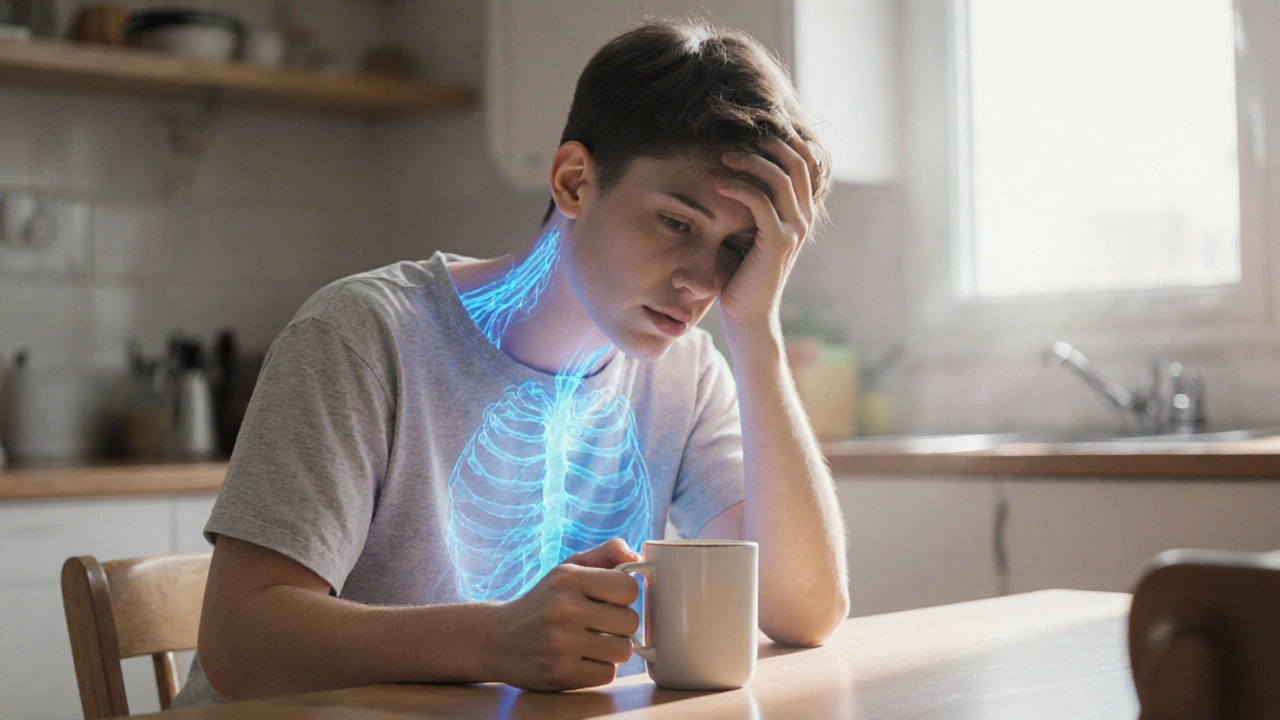
How Anxiety Triggers Breathing Disorders and What to Do
Explore how anxiety influences breathing, learn to spot hyperventilation vs asthma, and discover practical breathing techniques to break the cycle.