NSAIDs and Alcohol – Quick Facts and Safe Tips
If you take an over‑the‑counter painkiller like ibuprofen or naproxen, you might wonder whether a glass of wine or a beer will cause trouble. The short answer is: mixing can raise the chance of stomach bleeding, kidney strain, and liver stress. Below we break down why that happens and what you can do to stay safe.
Why Mixing Is Risky
NSAIDs work by blocking an enzyme called COX‑1, which protects the lining of your stomach. Alcohol also irritates that lining. When both are present, the protective barrier gets weakened, making ulcers or bleeding more likely. In addition, NSAIDs change blood flow to the kidneys, and alcohol can dehydrate you. Together they can lower kidney function, especially if you already have a kidney issue.
For people with liver disease, the risk goes up even more. While most NSAIDs are processed by the kidneys, a few (like diclofenac) rely on the liver. Adding alcohol can overload the organ, leading to higher medication levels in your blood.
Practical Ways to Reduce the Danger
1. Space them out. If you’ve taken a dose, wait at least 6‑8 hours before drinking. That gives your stomach a chance to recover and reduces peak blood‑level overlap.
2. Take with food. A solid meal cushions the stomach lining and lessens irritation. Snacks like crackers or yogurt work well.
3. Stay hydrated. Drink water throughout the day. Proper hydration helps the kidneys flush out the drug faster.
4. Know the dose. Stick to the lowest effective dose for the shortest time. High doses magnify the bleeding risk.
5. Check your health history. If you have a history of ulcers, kidney disease, or liver problems, avoid alcohol entirely while on NSAIDs.
When you need pain relief but plan to drink, consider alternatives. Acetaminophen (paracetamol) is gentler on the stomach but still risky for the liver when combined with heavy drinking, so keep intake low. Physical methods—ice, elevation, gentle stretching—can also cut down on medication needs.
Bottom line: occasional moderate drinking (one standard drink) is probably okay if you’ve taken a low NSAID dose, ate a meal, and have no gut or kidney issues. Anything beyond that—daily drinking, binge sessions, or high‑dose NSAIDs—should be avoided.
Always talk to your pharmacist or doctor if you’re unsure. They can suggest a pain‑relief plan that fits your lifestyle without putting your health at risk.
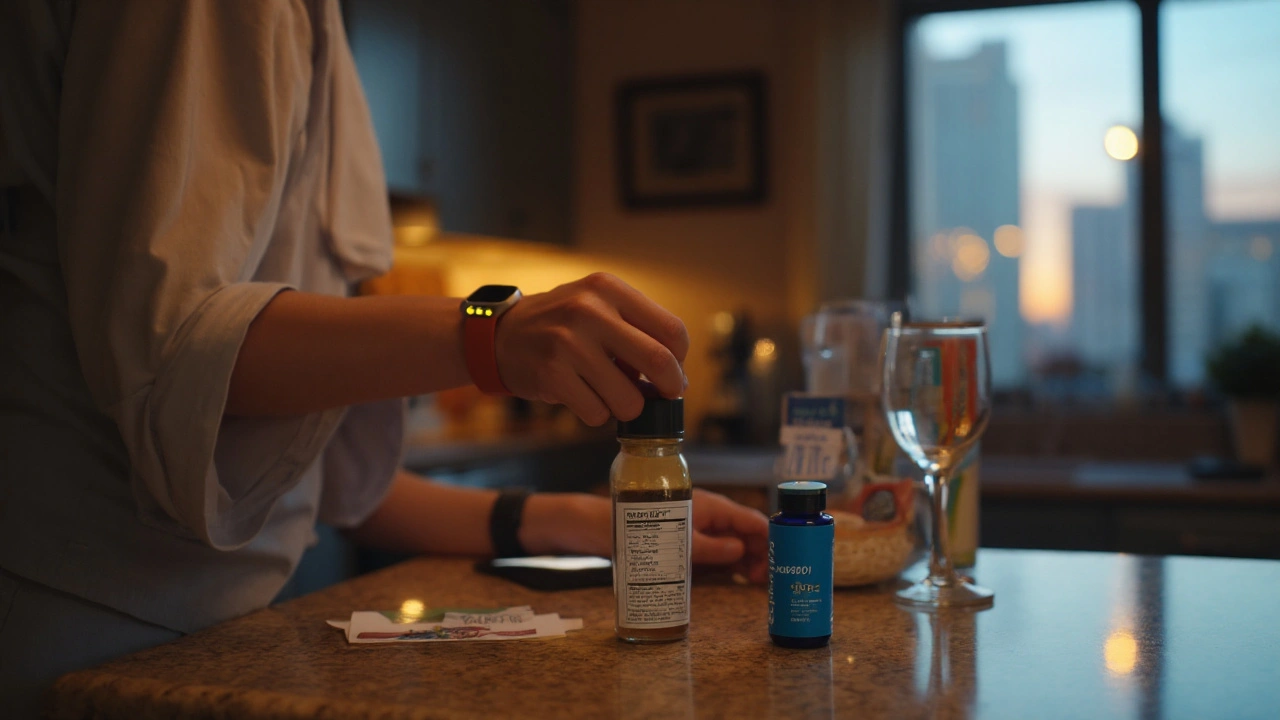
Naproxen and Alcohol: Risks, Timing, and Safer Pain Relief Options
Is it safe to drink on naproxen? Learn real risks, safe timing, who’s high‑risk, what to do if you mixed them, and better pain options when you plan to drink.