Naproxen and Alcohol: What You Need to Know
If you’ve ever taken naproxen for a headache, joint pain, or a menstrual cramp, you might wonder whether a glass of wine or a few beers will mess things up. The short answer: mixing the two can raise the risk of stomach irritation, bleeding, and even liver stress. Below we break down why that happens, what signs to watch for, and how to keep yourself safe if you decide to have a drink.
How Alcohol Affects Naproxen
Naproxen belongs to the NSAID family – drugs that reduce inflammation and pain by blocking the enzyme COX‑2. Alcohol also irritates the stomach lining and can thin your blood. When you combine them, the protective coat in your gut gets weakened twice over, making ulcers or bleeding more likely. In addition, both substances are processed by the liver, so heavy drinking can overload the organ and delay naproxen’s clearance, increasing side‑effects.
Typical red flags include a burning stomach, black‑tarry stools, sudden dizziness, or unexplained bruising. If any of these pop up after you’ve mixed naproxen and alcohol, drop the drink and call your doctor. Even a single evening of binge drinking can tip the balance, especially if you’ve been on naproxen for several days.
Safe Tips If You Drink
Here are practical steps to minimize trouble:
- Limit the amount: Stick to one standard drink (12 oz beer, 5 oz wine, or 1.5 oz spirits) and avoid binge sessions while on naproxen.
- Take naproxen with food: A solid meal creates a buffer in your stomach, reducing irritation.
- Stay hydrated: Water helps dilute alcohol and supports kidney function, which also processes naproxen.
- Know your dosage: The typical over‑the‑counter dose is 220 mg every 8‑12 hours. Don’t exceed 660 mg daily without doctor approval.
- Watch the timing: If you plan to drink, take naproxen at least 12 hours before or after the alcohol. This gives your body a break between the two.
If you have a history of ulcers, liver disease, or take other blood thinners, skip the alcohol entirely while on naproxen. Your doctor may suggest an alternative pain reliever that’s gentler on the stomach, like acetaminophen.
Bottom line: occasional, moderate drinking isn’t a deal‑breaker, but it does raise the odds of stomach problems and liver strain. Listen to your body, follow the safety tips, and talk to a healthcare professional if you’re unsure. By staying informed, you can manage pain without compromising your health.
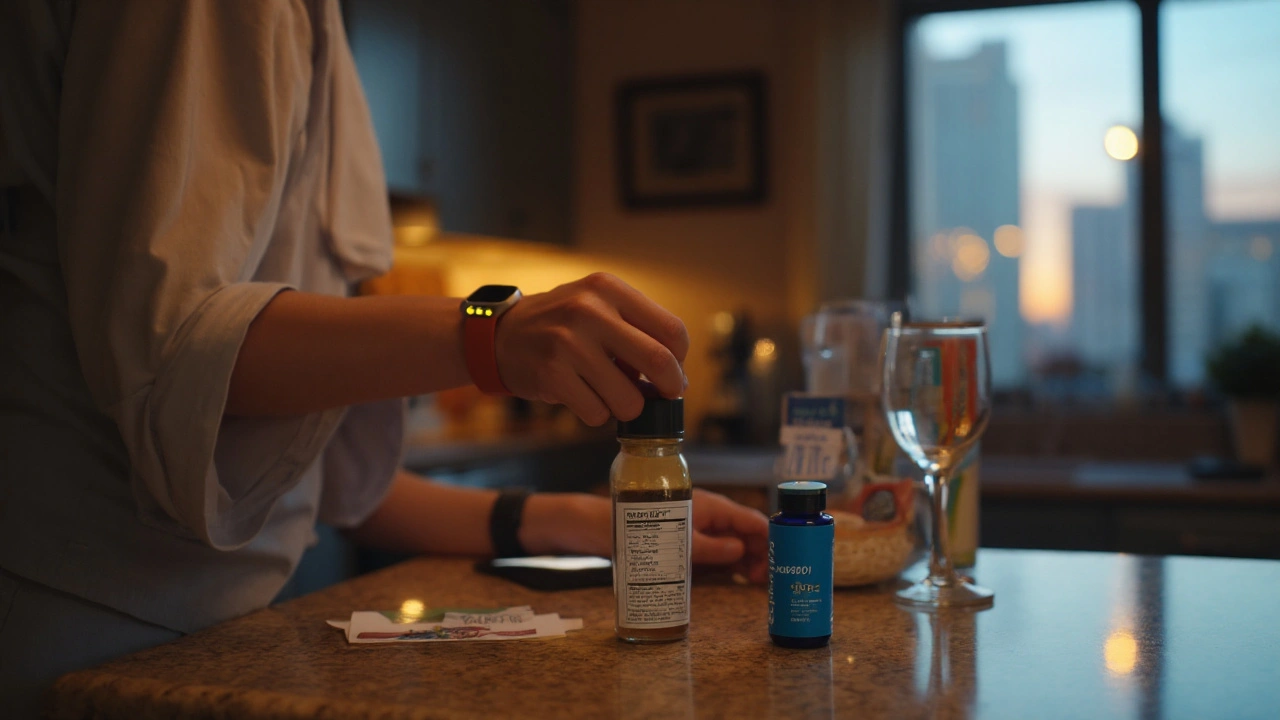
Naproxen and Alcohol: Risks, Timing, and Safer Pain Relief Options
Is it safe to drink on naproxen? Learn real risks, safe timing, who’s high‑risk, what to do if you mixed them, and better pain options when you plan to drink.