Naproxen and Alcohol Interaction: What You Need to Know
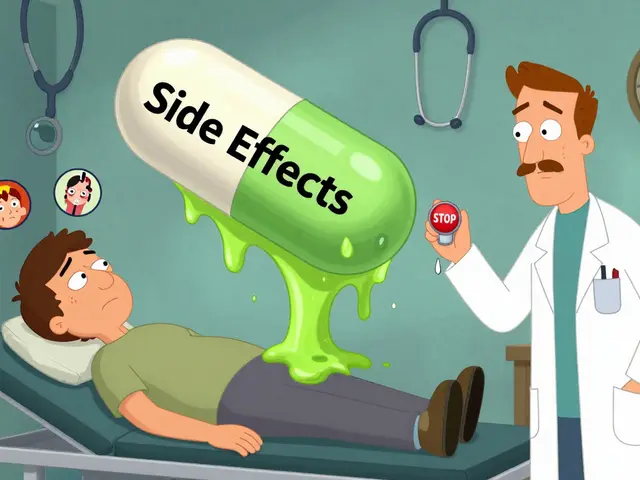
If you’ve ever taken naproxen for a headache, back pain, or arthritis, you might wonder whether a glass of wine or a beer is safe. Short answer: mixing naproxen with alcohol can raise the risk of stomach bleeding, liver strain, and extra drowsiness. Below we break it down in plain English, so you can decide what’s best for your body.
How Naproxen Works and Why Alcohol Matters
Naproxen is a non‑steroidal anti‑inflammatory drug (NSAID). It reduces pain and swelling by blocking an enzyme called COX‑1 and COX‑2. This blockage also protects the stomach lining, but only to a point. Alcohol irritates the stomach lining in its own way, increasing acid production and thinning the protective mucus. When you combine the two, the stomach loses two layers of defense at once, making ulcers or bleeding more likely.
Both naproxen and alcohol are processed by the liver. The liver can handle a little bit of each, but overload it and you risk elevated liver enzymes, which can lead to temporary or longer‑term liver damage. Most healthy adults can tolerate a light drink (one 12‑oz beer or a small glass of wine) if they’ve taken a single naproxen dose, but it’s not a free pass for regular binge drinking.
Common Side Effects When You Mix Them
Typical warning signs include:
- Stomach pain or a burning feeling that doesn’t go away.
- Black or bloody stools – a sure clue that bleeding is happening somewhere in your gut.
- Unusual dizziness or feeling “off” after a night out.
- Noticeable swelling in your hands or feet, which can hint at kidney stress.
If you notice any of these, stop drinking, stop the naproxen, and call your doctor. Early action can prevent a serious emergency.
Practical Tips for Safer Use
Here’s a quick cheat‑sheet you can keep in your kitchen drawer:
- Take naproxen with food. A solid meal cushions the stomach and slows drug absorption.
- Limit alcohol. One standard drink per day is the rough upper limit for most people taking a single naproxen dose.
- Avoid daily combos. If you need pain relief several times a week, consider an acetaminophen alternative that’s gentler on the stomach.
- Stay hydrated. Water helps the kidneys flush out both substances faster.
- Know your health history. If you’ve had ulcers, liver disease, or kidney problems, skip the alcohol entirely while on naproxen.
When you’re unsure, talk to a pharmacist or your GP. They can suggest a lower‑dose naproxen formulation or a different pain reliever that plays nicer with alcohol.
What to Do If You’ve Already Mixed Them
If you’ve had a couple of drinks after taking naproxen and feel fine, you’re probably okay—but keep an eye out for stomach upset over the next 24‑48 hours. Take an antacid (like calcium carbonate) if you notice heartburn. If you develop any of the warning signs listed above, seek medical help right away. A quick blood test can check liver enzymes, and an endoscopy may be needed if bleeding is suspected.
Bottom line: naproxen works great for pain, but it doesn’t play well with a lot of alcohol. A little wine with dinner occasionally is usually fine, but regular heavy drinking while on naproxen raises the odds of nasty side effects. Use the tips above, listen to your body, and you’ll keep both pain and risk under control.
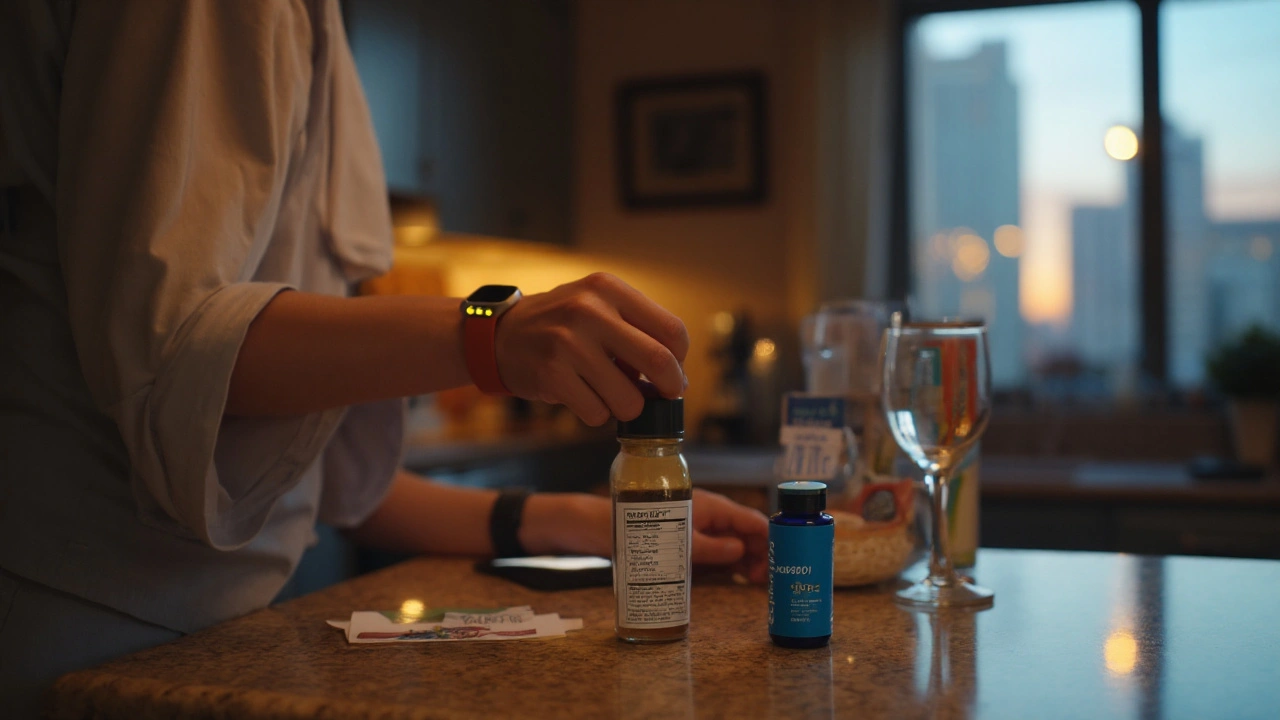
Naproxen and Alcohol: Risks, Timing, and Safer Pain Relief Options
Is it safe to drink on naproxen? Learn real risks, safe timing, who’s high‑risk, what to do if you mixed them, and better pain options when you plan to drink.