MTM Services: What They Are and How They Improve Medication Safety
When you’re juggling five or more prescriptions, MTM services, a structured program where pharmacists review all your medications to prevent harm and improve outcomes. Also known as medication therapy management, it’s not just a checklist—it’s a safety net designed for people who take multiple drugs daily. Think of it as a personal medication audit done by someone who knows exactly how pills interact, what side effects to watch for, and when timing matters more than dosage.
MTM services aren’t just for seniors. They help anyone on complex regimens—like someone taking antacids with antibiotics, or someone using inhalers, devices that require precise technique to deliver medication to the lungs correctly, or managing beta-blockers, heart medications that mask typical signs of exertion while trying to stay active. These are the exact situations covered in the posts below. Pharmacists running MTM programs spot what you miss: that your fiber supplement is blocking your thyroid pill, that your antidepressant makes you dizzy when you stand up, or that your nasal spray is causing rebound congestion.
MTM services don’t replace your doctor—they fill the gaps. While doctors write prescriptions, pharmacists track how you actually use them. They notice if you skip doses because the pills are too big, if you’re afraid of side effects, or if you can’t afford to refill. That’s why MTM is tied to real outcomes: fewer ER visits, less hospital readmission, and better control of conditions like diabetes, high blood pressure, and depression. The posts here show how this works in practice—from understanding medication guides, the small booklets that come with prescriptions and contain critical overdose and interaction info, to using simple tools like label reading and reminder apps to stay on track.
What you’ll find below isn’t theory. It’s real-world advice from people who’ve been there: the dad who learned how to time his antacids after nearly failing his antibiotic treatment, the woman who stopped her nose from swelling by switching from decongestant sprays to saline rinses, the retiree who finally understood why her old antidepressant made her feel foggy. These aren’t generic tips. They’re fixes born from medication therapy management in action. Whether you’re managing chronic illness, caring for a loved one, or just trying to keep your pills straight, this collection gives you the tools to take control—before something goes wrong.
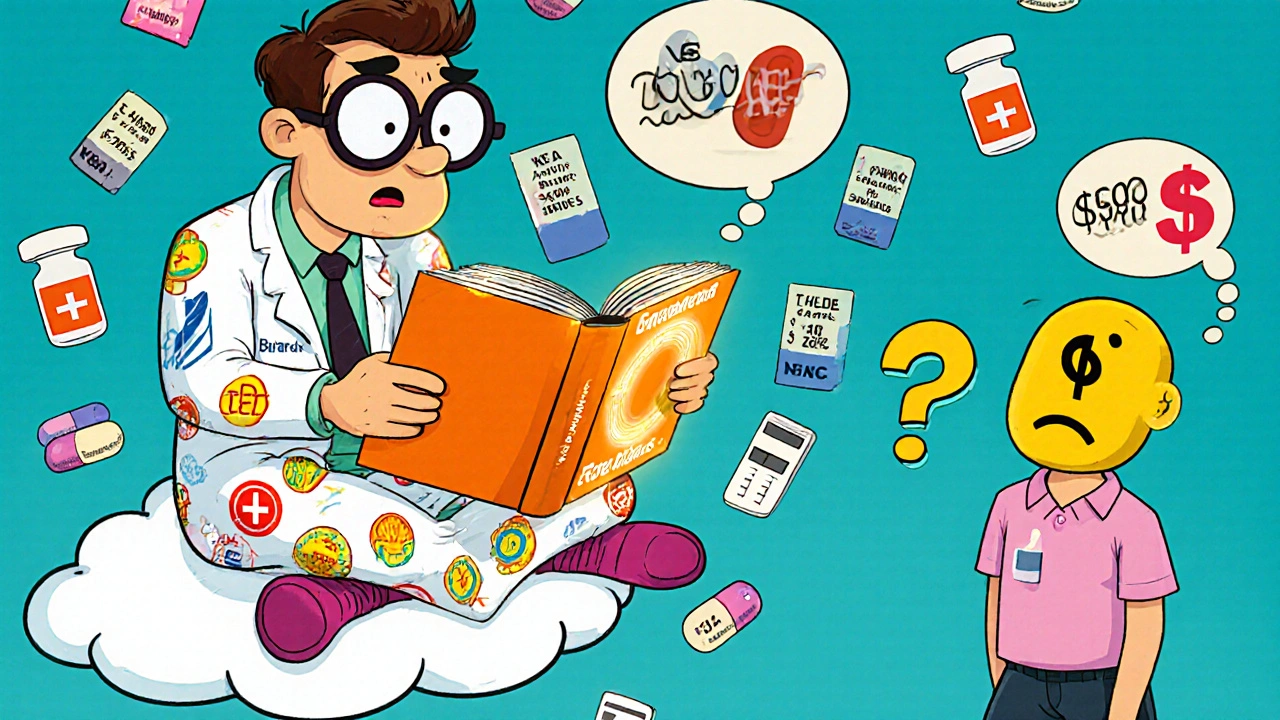
Medication Therapy Management: How Pharmacists Optimize Generic Drug Use for Better Outcomes
Pharmacists play a vital role in Medication Therapy Management by optimizing generic drug use to improve adherence, reduce costs, and prevent adverse events. Learn how MTM works and why it matters for patients on multiple medications.
Recent Post
-

7 Alternative Options to Prednisone in 2025
Mar, 31 2025