Minimally Invasive Dentistry: What It Means and Why It Matters
When exploring minimally invasive dentistry, a treatment philosophy that aims to preserve as much healthy tooth structure as possible while reducing patient discomfort. Also known as conservative dental care, it relies on modern tools and precise techniques to keep procedures quick, safe, and low‑impact. This approach has reshaped how dentists think about cavities, restorations, and even whole‑tooth replacements, shifting the focus from aggressive drilling to gentle, targeted interventions.
One of the most common allies of minimally invasive dentistry is laser dentistry, the use of calibrated light beams to remove decay, shape gum tissue, and secure fillings without a traditional drill. Laser treatment reduces vibration, cuts down on anesthesia, and often eliminates the need for a rubber dam. Another pillar is dental bonding, a tooth‑colored resin that can fill small cavities, repair chips, and close gaps without removing much enamel. Because bonding adheres directly to the tooth, it preserves more of the natural structure and can be completed in a single visit. CAD/CAM dentistry, computer‑aided design and manufacturing that creates precise crowns, inlays, and onlays in minutes, also fits the minimally invasive model; it allows dentists to mill restorations from a block of ceramic or resin, avoiding multiple appointments and excessive tooth reduction. Finally, sedation dentistry, the controlled use of nitrous oxide or oral sedatives to keep patients calm during procedures, complements the philosophy by making even low‑pain treatments comfortable for anxious patients.
All these techniques intersect to form a practical ecosystem: laser dentistry → reduced drilling, dental bonding → preserved enamel, CAD/CAM → precise fits, and sedation → enhanced comfort. Together they enable clinicians to treat decay early, restore aesthetics, and keep the mouth healthy without the “drill‑and‑fill” mindset of older practices. Below you’ll find a curated collection of articles that dive deeper into each of these tools, compare them with traditional options, and show real‑world outcomes. Whether you’re a patient curious about gentler dental care or a professional looking for the latest evidence, the posts ahead give you actionable insight and a clear picture of how minimally invasive dentistry is changing the field.
How Local Anesthesia Boosts Minimally Invasive Dentistry
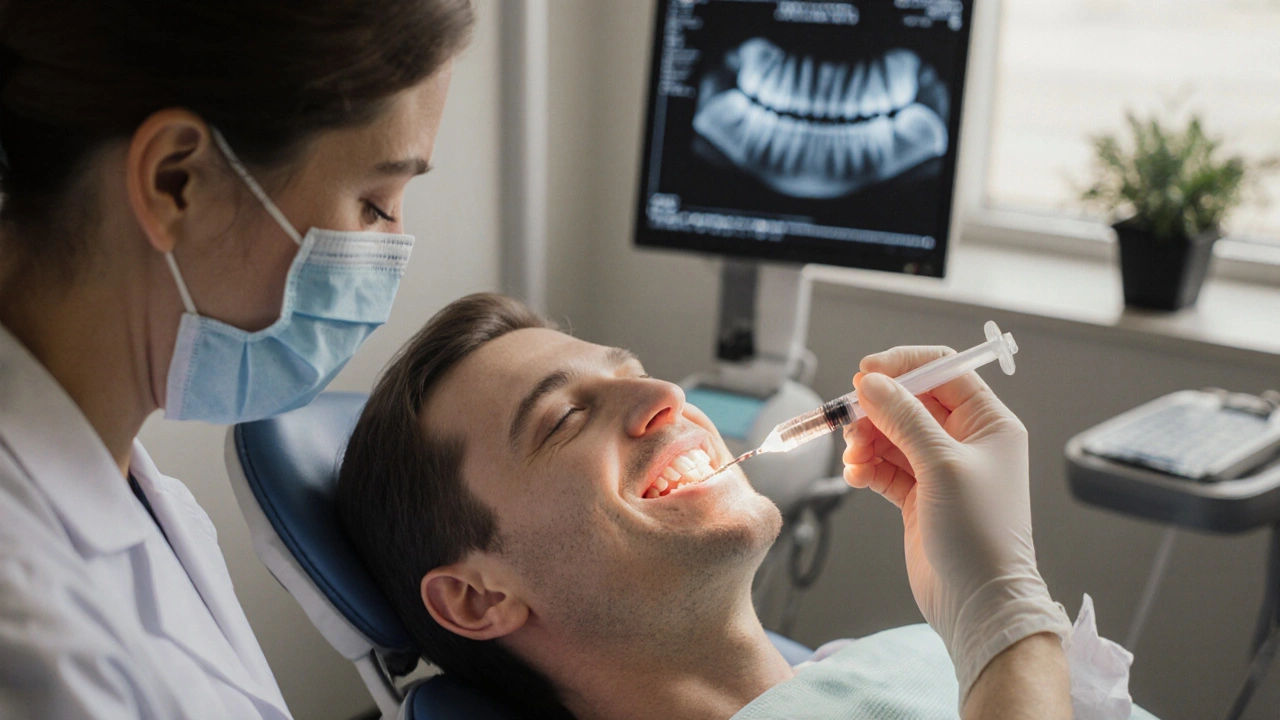
Explore how local anesthesia enhances minimally invasive dentistry, covering drug choices, techniques, safety, patient comfort, and practical guidelines.