Medication Timing: When to Take Your Pills for Maximum Safety and Effect
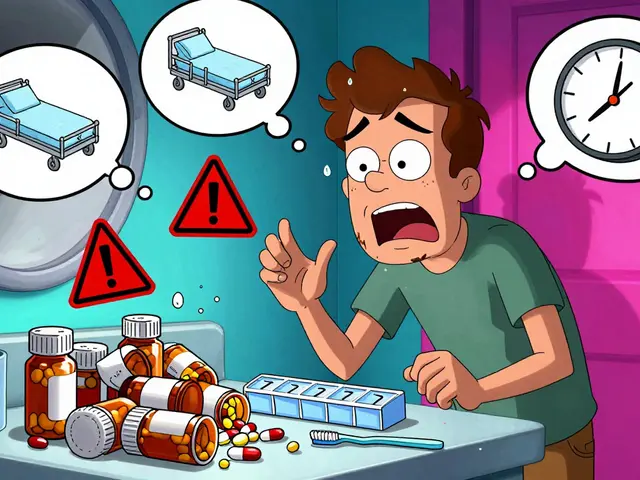
When you take a medication isn’t just about convenience—it’s part of how it works in your body. Medication timing, the specific time of day or interval between doses that optimizes drug absorption, effectiveness, and safety. Also known as dosing schedule, it’s not just about remembering to take your pills—it’s about aligning them with your body’s natural rhythms, food intake, and other drugs you’re using. Miss a dose by a few hours? You might not feel a difference. But take a blood pressure pill at night instead of morning, or swallow an antibiotic with dairy, and you could be reducing its power—or risking harm.
Many people don’t realize that drug interactions, harmful reactions between medications or between meds and food. Also known as pharmacological conflicts, they often happen because timing wasn’t considered. For example, MAOI antidepressants can cause dangerous blood pressure spikes if taken with aged cheese—not because the cheese is bad, but because the timing of tyramine intake overlaps with the drug’s activity window. Or take insulin: if you inject it too early before eating, you risk low blood sugar. Too late, and your glucose spikes. These aren’t edge cases—they’re common mistakes that happen because we treat medication like a checklist, not a biological signal.
Drug adherence, how consistently and correctly someone follows their prescribed dosing plan. Also known as medication compliance, it’s the silent factor behind most treatment failures. Studies show that even small deviations—like taking a pill 2 hours late every day—can cut effectiveness by 30% or more. This isn’t about willpower. It’s about design. Your body absorbs drugs differently based on whether you’re fasting, after a meal, awake, or asleep. Some meds need empty stomachs. Others need food to activate. Beta-blockers? Taking them at night helps avoid daytime fatigue. Diuretics? Taking them too late can mean midnight bathroom runs. And don’t forget pill schedule, the structured plan for when to take each medication across the day. Also known as dosing routine, it’s your personal roadmap to safe, effective treatment. A cluttered pillbox with no order? That’s how errors start. A simple app synced to your label instructions? That’s how safety sticks.
What you’ll find below isn’t just a list of articles—it’s a practical toolkit. From how to read your prescription label to set accurate reminders, to why your heart rate monitor fails on beta-blockers, to how to avoid deadly food-drug clashes like MAOIs with aged cheese—each post cuts through the noise. No fluff. No theory. Just clear, real-world guidance on when to take your meds, why it matters, and how to make your schedule work for you, not against you. Whether you’re managing diabetes, depression, high blood pressure, or something else, the right timing can mean the difference between control and crisis.
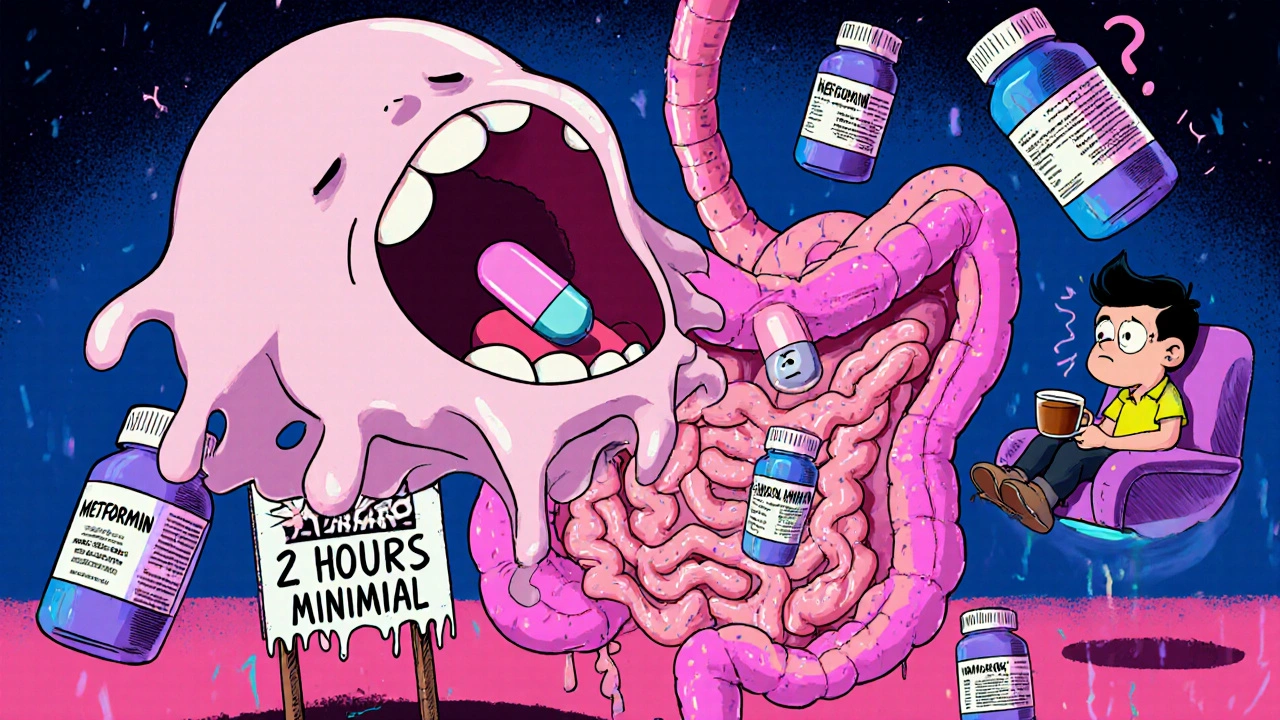
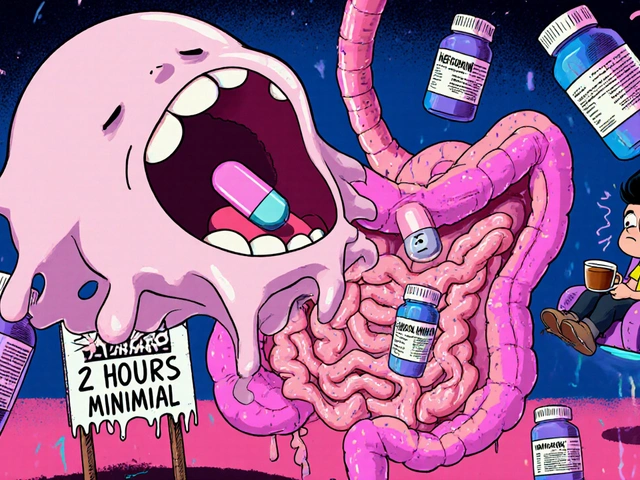
Fiber Supplements and Constipation: When to Take Them With Your Medications
Fiber supplements like psyllium help with constipation but can interfere with medications if taken at the wrong time. Learn the safest timing rules, dosing tips, and what to do if you accidentally mix them.