Medication Induced Nasal Congestion
When dealing with medication induced nasal congestion, a blockage of the nasal passages that stems from the side‑effects of specific medicines. Also known as drug‑related nasal stuffiness, it can catch patients off guard because the symptom feels unrelated to the pill they’re taking. This condition medication induced nasal congestion typically shows up as a constant runny nose, pressure behind the eyes, or difficulty breathing through the nose, especially after starting a new prescription.
Several drug classes are frequent offenders. ACE inhibitors, blood‑pressure medicines that block the conversion of angiotensin I to II are notorious for causing a persistent, dry cough that often evolves into nasal blockage. Beta blockers, agents that reduce heart rate and contractility can shrink the tiny blood vessels in the nasal lining, leading to swelling. Non‑steroidal anti‑inflammatory drugs (NSAIDs) and certain antidepressants also tip the balance of inflammatory mediators, making the nose feel stuffy. Understanding that drug choice directly influences nasal tone helps clinicians decide whether a simple switch or dose adjustment might clear the airways.
The root cause lies in how these medicines interact with the nasal mucosa, the moist lining inside the nose that filters and humidifies air. Some drugs trigger histamine release, causing blood‑vessel dilation and extra mucus. Others interfere with the autonomic nervous system, upsetting the normal cycle of congestion and decongestion that keeps the nose clear. The end result is a feedback loop: swelling narrows the passage, mucus builds up, and the sensation of blockage intensifies. Recognizing this physiological chain – medication induced nasal congestion encompasses mucosal inflammation, vascular changes, and mucus overproduction – equips patients to target the right step in treatment.
Practical Ways to Get Relief
Managing the symptom often starts with the right over‑the‑counter aid. Antihistamines, drugs that block histamine receptors to reduce swelling and secretions work well when a medication provokes a histamine‑driven response. For cases driven by vascular dilation, Decongestants, agents like pseudoephedrine that constrict blood vessels in the nasal lining can shrink the tissue quickly and open the airway. Nasal saline irrigation offers a drug‑free route to thin mucus and flush irritants, while low‑dose intranasal steroids address ongoing inflammation without systemic side‑effects. If a prescription drug is the clear culprit, a clinician may substitute an alternative (e.g., switching from an ACE inhibitor to an ARB) or adjust the dose, thereby removing the trigger entirely. These strategies demonstrate that effective relief often combines symptom‑targeted medication with thoughtful drug review.
Knowing when to seek professional help is just as important as trying home remedies. Persistent congestion lasting more than two weeks, severe pain, or any sign of infection warrants a clinical evaluation. Healthcare providers can perform a medication review, order imaging if needed, and prescribe appropriate nasal sprays or systemic therapies. By linking the symptom back to its drug origin, patients avoid unnecessary surgeries or chronic use of nasal sprays that can worsen the problem over time. Below you’ll find a curated set of articles that dive deeper into specific drugs, detailed treatment plans, and step‑by‑step guides to help you tackle medication induced nasal congestion head‑on.
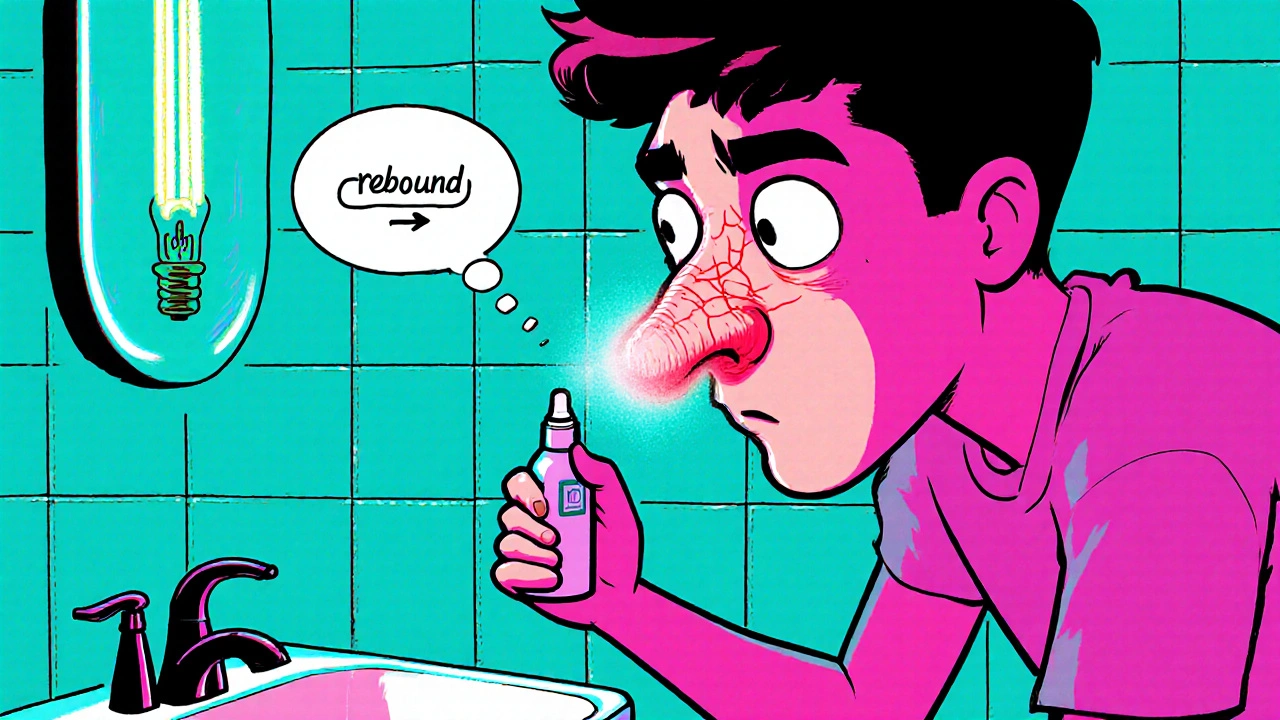
Effective Management of Medication‑Induced Nasal Congestion (Rhinitis Medicamentosa)
Learn what rhinitis medicamentosa is, why it happens, and how to safely stop the cycle with proven treatments like saline irrigation and intranasal steroids.
Recent Post
-

Voucher Codes for Online Drug Store Genglob.com
Mar, 21 2025
-

Buy Cheap Generic Zyrtec Online - 2025 Guide
Oct, 9 2025