Medication Errors: How to Avoid Costly Mistakes with Your Prescriptions
When you take a pill, you expect it to work—without surprises. But medication errors, mistakes in how drugs are prescribed, dispensed, or taken that lead to harm. Also known as drug errors, they’re one of the leading causes of preventable hospital visits in the U.S. These aren’t just about taking the wrong dose. They’re about mixing milk with antibiotics, skipping labels, trusting supplements without checking, or not realizing your generic isn’t interchangeable with your brand. And most of them happen because no one ever explained the fine print.
Drug interactions, when two or more substances affect each other’s performance in your body are behind half of all medication errors. Think antacids killing your antibiotics, St. John’s wort canceling out birth control, or aged cheese triggering a dangerous spike in blood pressure if you’re on an MAOI. Even something as simple as fiber supplements can block absorption if taken too close to your meds. These aren’t rare edge cases—they’re everyday risks hidden in plain sight. And when you switch to a generic drug, a lower-cost version of a brand-name medication approved by the FDA, you might assume it’s identical. But therapeutic equivalence codes (like AB or B) tell a different story. Some generics aren’t interchangeable, and if your pharmacist doesn’t flag it, you could end up with a drug that doesn’t work the same way.
It’s not just about what you take—it’s about when, how, and why. A study from the Institute of Medicine found that the average hospital patient gets at least one medication error per day. That’s not a glitch. It’s a system failure. But you don’t have to be part of the statistic. Knowing how to read your prescription label, understanding why timing matters with dairy or antacids, and asking your pharmacist about potential clashes can cut your risk by more than half. These aren’t complex rules. They’re simple habits: check the label twice, set reminders based on real instructions—not guesses, and never assume a supplement is harmless just because it’s natural.
Below, you’ll find real-world guides that break down exactly how these mistakes happen—and how to stop them before they hurt you. From why your insulin needs special care in an emergency to how to spot when a generic isn’t safe to swap, every article here is about protecting yourself with clear, no-fluff facts. No jargon. No scare tactics. Just what you need to take your meds safely.
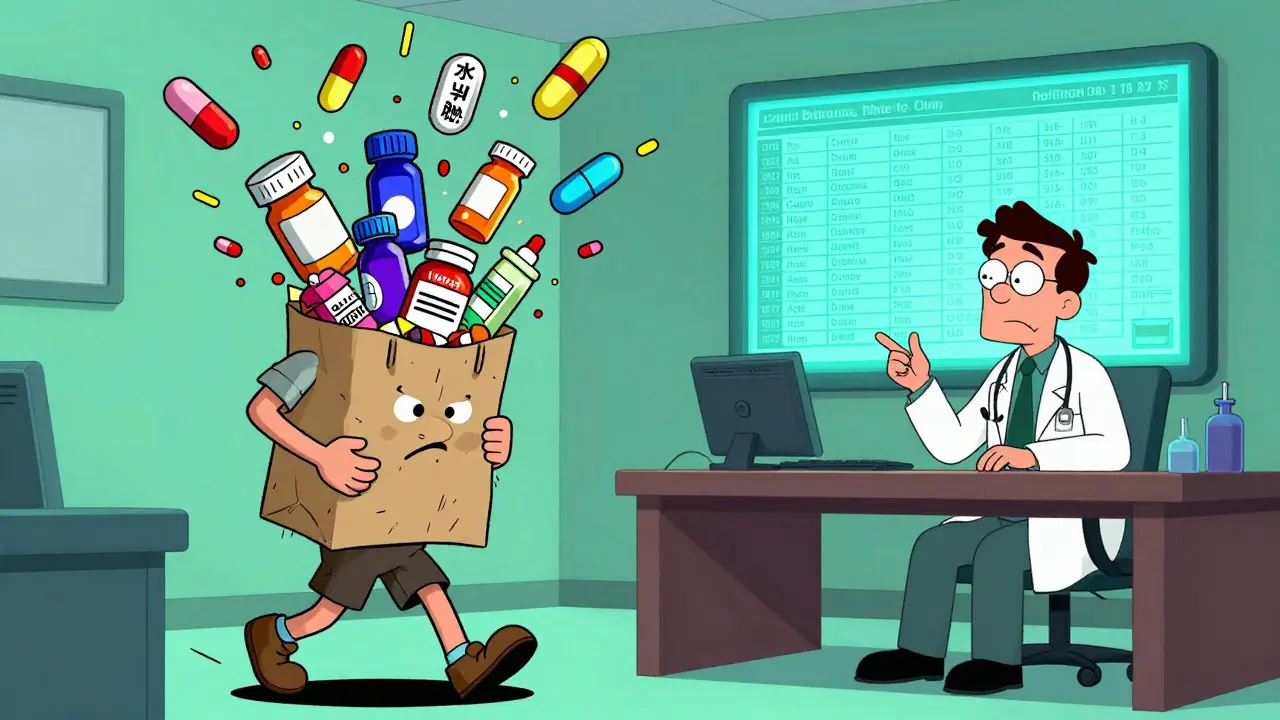
How to Bring Pill Bottles to Appointments for Accurate Medication Reconciliation
Bringing your actual pill bottles to doctor appointments is the most reliable way to prevent dangerous medication errors. Learn what to bring, why memory isn't enough, and how to prepare for accurate medication reconciliation.
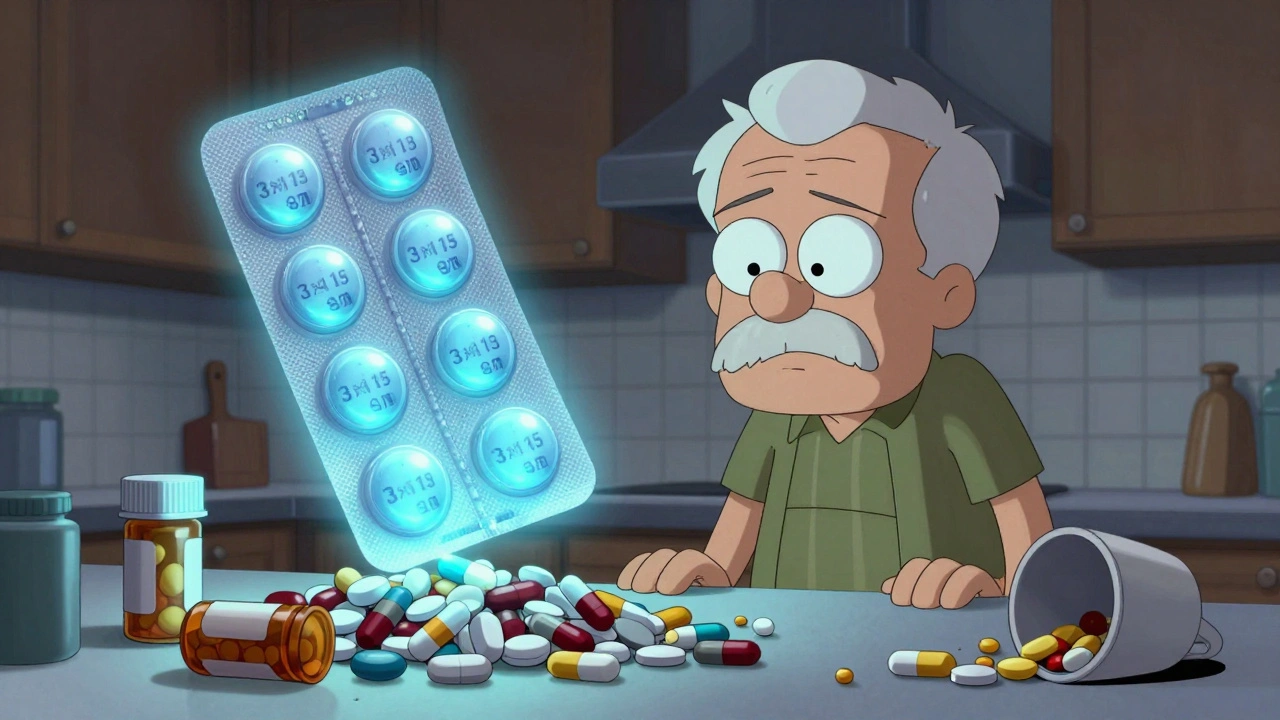
How to Use Blister Packs and Pill Organizers to Prevent Medication Mistakes
Blister packs and pill organizers help prevent medication mistakes and overdoses by organizing doses clearly. Blister packs are safer for complex regimens, while organizers work for simple routines. Learn how to choose, use, and get them covered.