Hair Loss Treatment: What Works and How to Choose
When dealing with hair loss treatment, a set of methods aimed at preventing or reversing scalp hair thinning and shedding. Also known as alopecia therapy, it helps many adults and teens restore confidence by targeting underlying causes. Hair loss treatment isn’t a one‑size‑fits‑all. Some people notice thinning after stress, others see a genetic pattern start in their twenties. The range of options has grown so fast that choosing the right path can feel overwhelming. Understanding the core ideas behind each approach makes the decision clearer and saves you time, money, and frustration.
Key Options for Hair Loss Treatment
One of the most referenced topicals is minoxidil, a vasodilator applied to the scalp that prolongs the growth phase of hair follicles. It’s available over the counter, works for both men and women, and shows visible results after about three months of consistent use. Another staple is finasteride, an oral 5‑alpha‑reductase inhibitor that reduces DHT levels, the hormone most linked to male‑pattern baldness. Finasteride is prescription‑only and usually prescribed to men, offering solid regrowth when taken daily. A newer, non‑drug alternative is low-level laser therapy, a device‑based method that uses red light to stimulate cellular activity in hair follicles. Users often employ a comb, helmet, or cap for a few minutes a week, reporting thicker hair after a few months. Finally, PRP therapy, an in‑office procedure where platelet‑rich plasma from your own blood is injected into the scalp to boost growth factors has gained popularity for its natural approach, though it tends to be pricier and requires multiple sessions. Each of these options sits on a different point of the efficacy‑cost‑side‑effect spectrum. Minoxidil scores high on accessibility and low cost but may cause scalp irritation. Finasteride offers strong results for men but carries a small risk of sexual side effects. Laser devices avoid chemicals entirely but need regular use to maintain benefit. PRP delivers a biologic boost with minimal systemic risk, yet the upfront expense and need for a certified provider can limit access. When you compare them, think about three practical factors: how quickly you need results, how much you’re willing to invest, and whether you prefer a topical, oral, device‑based, or procedural route. Many clinicians recommend starting with minoxidil and adding finasteride if you’re male and the response plateaus. Others combine laser therapy with topical treatment for a multi‑modal boost. Always discuss potential interactions and contraindications with a dermatologist or trichologist before mixing approaches.
Below you’ll find a curated collection of articles that dive deeper into each method, compare costs, outline side‑effects, and give step‑by‑step buying guides. Whether you’re searching for the cheapest generic minoxidil, the latest PRP clinic reviews, or a plain‑language explanation of how low‑level lasers work, the posts after this intro will give you the specifics you need to move from curiosity to confidence in your hair‑loss plan.
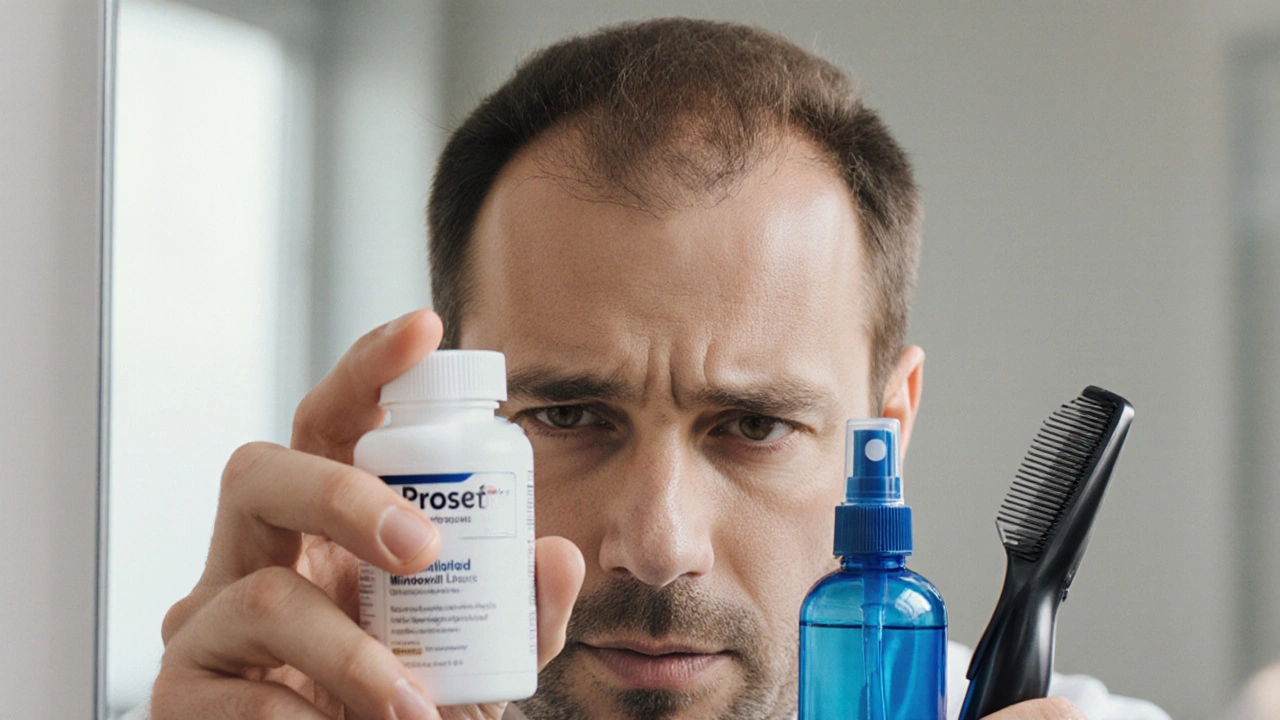
Proscare (Finasteride) vs Other Hair‑Loss Treatments: A Detailed Comparison
A comprehensive side‑by‑side comparison of Proscare (finasteride) and its main hair‑loss alternatives, covering cost, effectiveness, side‑effects, and how to pick the right option.