Finasteride: What It Is, How It Works, and Why It Matters
When talking about finasteride, a prescription pill that blocks the enzyme 5‑alpha‑reductase, lowering dihydrotestosterone (DHT) levels in the body. Also known as Propecia or Proscar, it is primarily used to treat male‑pattern baldness and an enlarged prostate.
Finasteride needs a clear target to be effective, and that target is DHT – the hormone that shrinks hair follicles and pushes the prostate to grow. By cutting the conversion of testosterone into DHT, the drug slows hair loss and can even regrow thin patches on the crown. In the prostate, the same reduction eases urinary symptoms caused by benign prostatic hyperplasia (BPH).
Key Connections with Other Treatments
Another popular over‑the‑counter option for hair loss is minoxidil, a topical vasodilator that stimulates blood flow to hair follicles. While minoxidil works by increasing follicle size and lengthening the growth phase, it does not affect hormone levels. Because the two drugs act on different pathways, many doctors combine them to boost results – minoxidil to kick‑start growth, finasteride to keep DHT‑driven shrinking at bay.
The hormone at the center of this story, dihydrotestosterone (DHT), a potent androgen responsible for male pattern baldness and prostate enlargement, is produced when 5‑alpha‑reductase converts testosterone. Elevated DHT levels are the main driver of androgenic alopecia, and they also stimulate prostate cell growth. Lowering DHT with finasteride therefore tackles both conditions with one mechanism.
For men dealing with BPH, finasteride offers a medical alternative to surgical procedures. The drug reduces prostate volume over months, easing the need for invasive treatment. This dual role makes finasteride a unique bridge between dermatology and urology – it can be prescribed by a dermatologist for hair loss and by a urologist for prostate health.
Beyond minoxidil and DHT, several emerging or established therapies intersect with finasteride’s pathway. Low‑level laser therapy (LLLT) and platelet‑rich plasma (PRP) aim to revitalize follicles without altering hormones. Hair transplant surgery physically moves healthy follicles to balding zones, offering a permanent fix but at higher cost and recovery time. Understanding where finasteride fits among these options helps you weigh effectiveness, side‑effect risk, and budget.
Side effects are a frequent question. The most common issues are reduced libido, erectile difficulty, and occasional mood changes – all linked to lowered DHT. Most users experience mild or no problems, and symptoms often improve after discontinuation. Because finasteride works systemically, it’s essential to discuss any existing medical conditions with a healthcare professional before starting.
Dosage matters, too. For hair loss, the standard 1 mg daily dose (Propecia) is enough to keep DHT in check without overwhelming the body. For BPH, a higher 5 mg dose (Proscar) is prescribed to shrink the prostate more aggressively. The difference in dose reflects the distinct therapeutic goals and illustrates how the same molecule can be tuned for separate outcomes.
Insurance coverage can affect choice. In many regions, the 1 mg formulation is considered a cosmetic drug and may not be reimbursed, while the 5 mg version for BPH often qualifies for health‑plan support. Knowing the insurance landscape helps you plan financially and avoid surprise out‑of‑pocket costs.
When you’re deciding on a treatment plan, ask yourself three practical questions: Do I want a quick visual improvement, or am I looking for long‑term maintenance? Am I comfortable with a daily oral pill, or would I prefer a topical or procedural approach? And finally, do I have any health conditions that could interact with a hormone‑modulating medication?
Answering these questions narrows the field. If you’re after a non‑invasive, evidence‑based method and accept a daily pill, finasteride often tops the list. If you’re wary of hormonal effects, you might start with minoxidil or explore LLLT. For severe balding or when medication isn’t enough, a hair transplant could be the next step.
Research continues to refine finasteride’s profile. Recent studies track how low‑dose regimens (0.2 mg) perform compared to the standard 1 mg, aiming to keep benefits while cutting side‑effects. Others examine finasteride’s role in preventing prostate cancer, though findings are mixed. Staying updated on the latest data lets you make informed choices as new evidence emerges.
Below you’ll find a curated selection of articles that dive deeper into each of these points. Whether you’re curious about how finasteride stacks up against minoxidil, want to learn about safe online purchasing, or need guidance on managing side effects, the posts in this collection cover the most common questions and practical tips around finasteride and its related treatments.
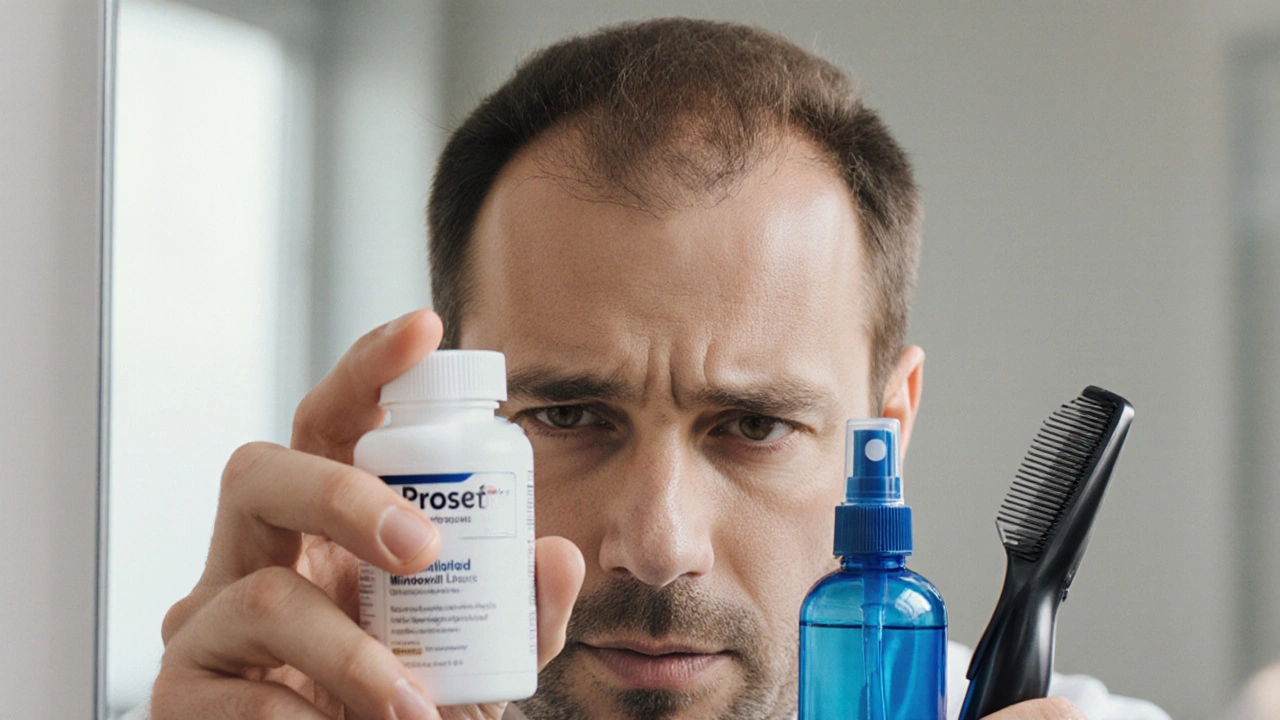
Proscare (Finasteride) vs Other Hair‑Loss Treatments: A Detailed Comparison
A comprehensive side‑by‑side comparison of Proscare (finasteride) and its main hair‑loss alternatives, covering cost, effectiveness, side‑effects, and how to pick the right option.
Recent Post
-

7 Alternative Options to Prednisone in 2025
Mar, 31 2025