Fiber Supplements: What They Do, Who Needs Them, and What to Watch For
When you hear fiber supplements, concentrated forms of dietary fiber taken to boost daily intake when food isn’t enough. Also known as fiber pills, they’re not magic bullets—but they can be a real lifeline if your meals lack whole grains, beans, fruits, or veggies. Most adults need 25 to 38 grams of fiber a day. The average person gets less than half that. That gap isn’t just about constipation—it’s about blood sugar, cholesterol, and even how your gut bacteria stay healthy.
Dietary fiber, the part of plant foods your body can’t digest but still needs to function properly. Also known as roughage, it comes in two main types: soluble and insoluble. Soluble fiber, like psyllium or oat beta-glucan, slows digestion and helps lower LDL cholesterol. Insoluble fiber, like wheat bran or cellulose, adds bulk and keeps things moving through your intestines. Many fiber supplements combine both. If you’re dealing with irregular bowel movements, bloating, or high blood sugar, you might be missing out on one or both. And it’s not just about digestion. Studies show people who get enough fiber have lower risks of heart disease, type 2 diabetes, and even colon cancer. But supplements aren’t a replacement for real food—they’re a backup plan when you’re short on time, energy, or access to fresh produce.
Digestive health, the balance of your gut microbiome and how efficiently your body breaks down and absorbs nutrients. Also known as gut health, it’s deeply tied to fiber intake. Fiber feeds the good bacteria in your colon, which then produce short-chain fatty acids that reduce inflammation and strengthen your intestinal lining. Without enough fiber, those good bugs starve. That’s when problems like bloating, gas, and even food sensitivities start showing up. Some people think fiber supplements cause bloating—but that’s usually because they start too fast. The key is to go slow, drink plenty of water, and give your gut time to adjust. If you’re on medications like thyroid pills, diabetes drugs, or antidepressants, fiber can interfere with absorption. Always check with your doctor before adding a new supplement, especially if you’re managing a chronic condition.
What you’ll find in the articles below isn’t marketing fluff. It’s real talk from people who’ve tried fiber supplements, learned the hard way what works and what doesn’t, and figured out how to use them safely alongside other meds. You’ll see how fiber interacts with heart drugs, how it affects blood sugar control, and why some people swear by psyllium while others switch to inulin. There’s no one-size-fits-all answer. But with the right info, you can find the version that fits your body—and your life.
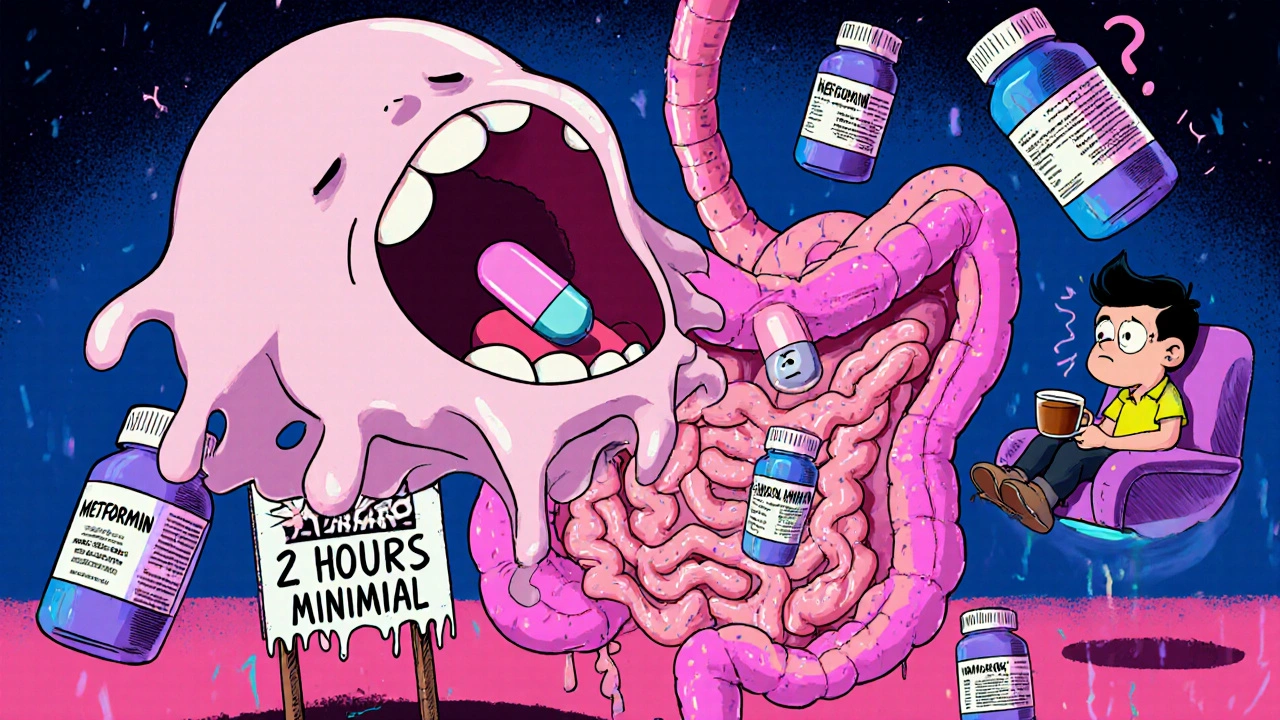
Fiber Supplements and Constipation: When to Take Them With Your Medications
Fiber supplements like psyllium help with constipation but can interfere with medications if taken at the wrong time. Learn the safest timing rules, dosing tips, and what to do if you accidentally mix them.