FDA Generics: What They Are, How They Work, and When to Choose Them
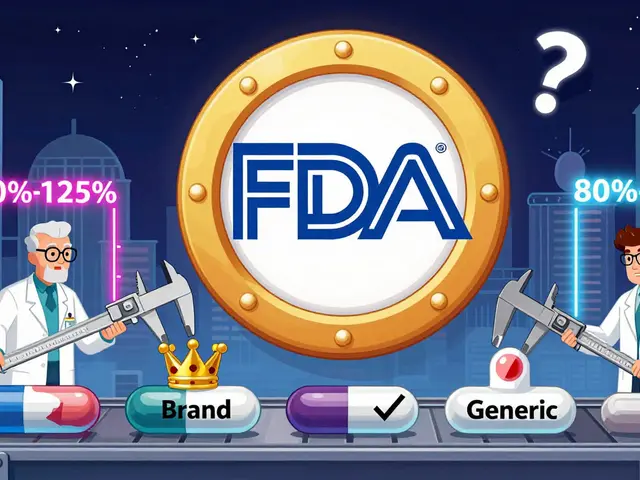
When you hear FDA generics, approved versions of brand-name drugs that contain the same active ingredients, work the same way, and meet the same strict standards. Also known as generic drugs, they’re not cheaper because they’re weaker—they’re cheaper because they don’t carry the cost of research, marketing, or patent protection. The FDA doesn’t just approve them randomly. Every generic must prove it delivers the same amount of active ingredient into your bloodstream at the same rate as the brand-name version. That’s called bioequivalence. If it doesn’t meet that bar, it doesn’t get approved—no exceptions.
That’s why you can trust a generic metformin for diabetes or a generic lisinopril for high blood pressure. They’re not copies. They’re the real thing, made under the same quality rules as the original. The FDA inspects the factories where generics are made, just like they do for brand-name drugs. In fact, many brand-name companies actually make their own generics once the patent expires. The difference isn’t in the medicine—it’s in the price tag. A generic can cost 80% less, sometimes even more.
But here’s the catch: not every generic works the same for every person. That’s not because the drug is different—it’s because your body reacts to inactive ingredients like fillers or dyes. For most people, that’s no issue. But if you’re sensitive to lactose, or have a rare allergy to a dye, or need ultra-stable blood levels for something like seizure control, your doctor might recommend sticking with the brand. It’s rare, but it happens. And when it does, you’re not being irrational—you’re being smart.
Another thing people don’t talk about: drug approval, the process the FDA uses to review both brand-name and generic medications before they hit the market. For generics, the process is faster because they don’t need new clinical trials. They just need to prove they match the original. But that doesn’t mean it’s easy. The FDA reviews every batch, every label, every manufacturing step. It’s not a loophole—it’s a shortcut built on science.
And then there’s generic equivalence, the official term meaning a generic drug is interchangeable with its brand-name counterpart under FDA standards. You’ll see this on your prescription bottle. But if you’ve ever switched from one generic to another and felt different, you’re not imagining it. Different manufacturers use different inactive ingredients. One might make you feel a little off, while another works perfectly. That’s why some pharmacies let you stick with the same generic maker—if you find one that works, ask to keep it.
What you’ll find in these articles isn’t just theory. It’s real stories from people managing chronic conditions with generics. It’s guides on how to talk to your pharmacist about switching, how to spot if your generic changed without you knowing, and why some drugs—like thyroid meds or blood thinners—need extra attention. You’ll also see how patent laws and market exclusivity keep prices high, even after generics are legally allowed. And you’ll learn when sticking with the brand isn’t about loyalty—it’s about safety.
Bottom line: FDA generics save billions every year. They’re safe, effective, and rigorously tested. But they’re not all the same. And knowing how to use them right—when to switch, when to hold off, and how to spot changes—can make all the difference in your health.
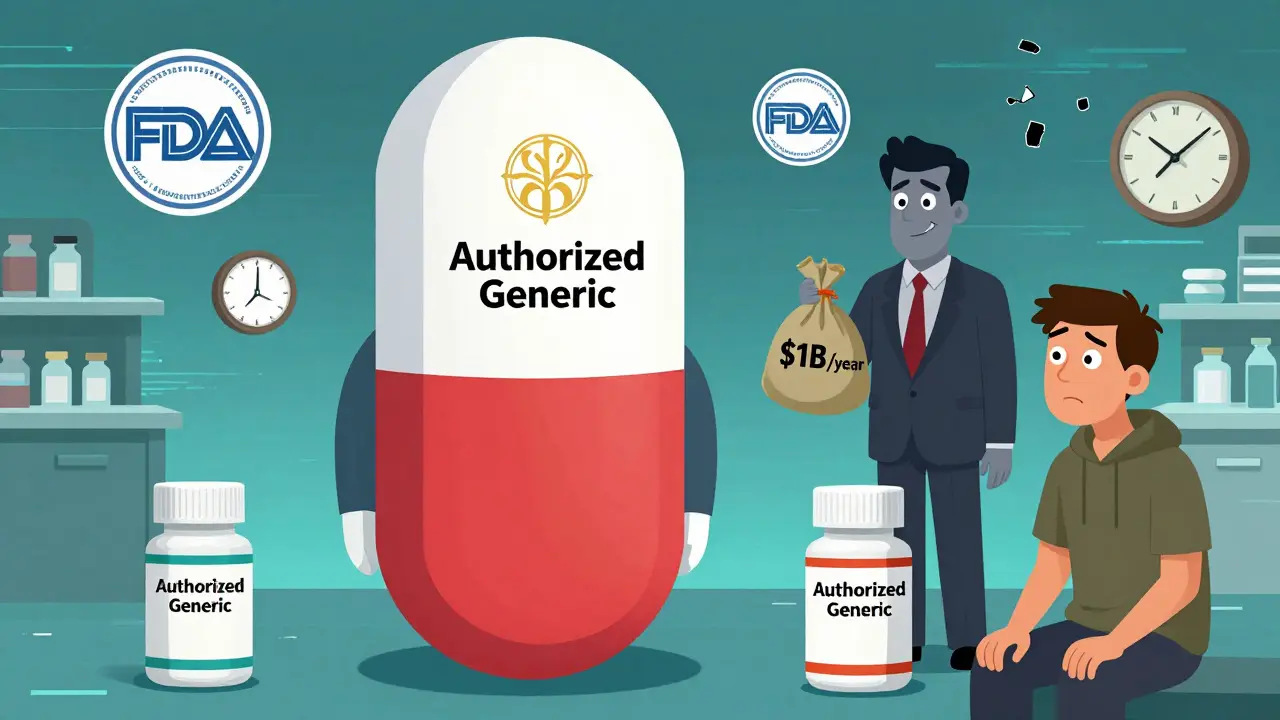
Why Most Drugs Don’t Have Authorized Generics - And What It Means for Your Prescription Costs
Most drugs don’t have authorized generics because drugmakers only create them to protect profits - not to lower prices. Learn why this affects your prescription costs and what you can do.
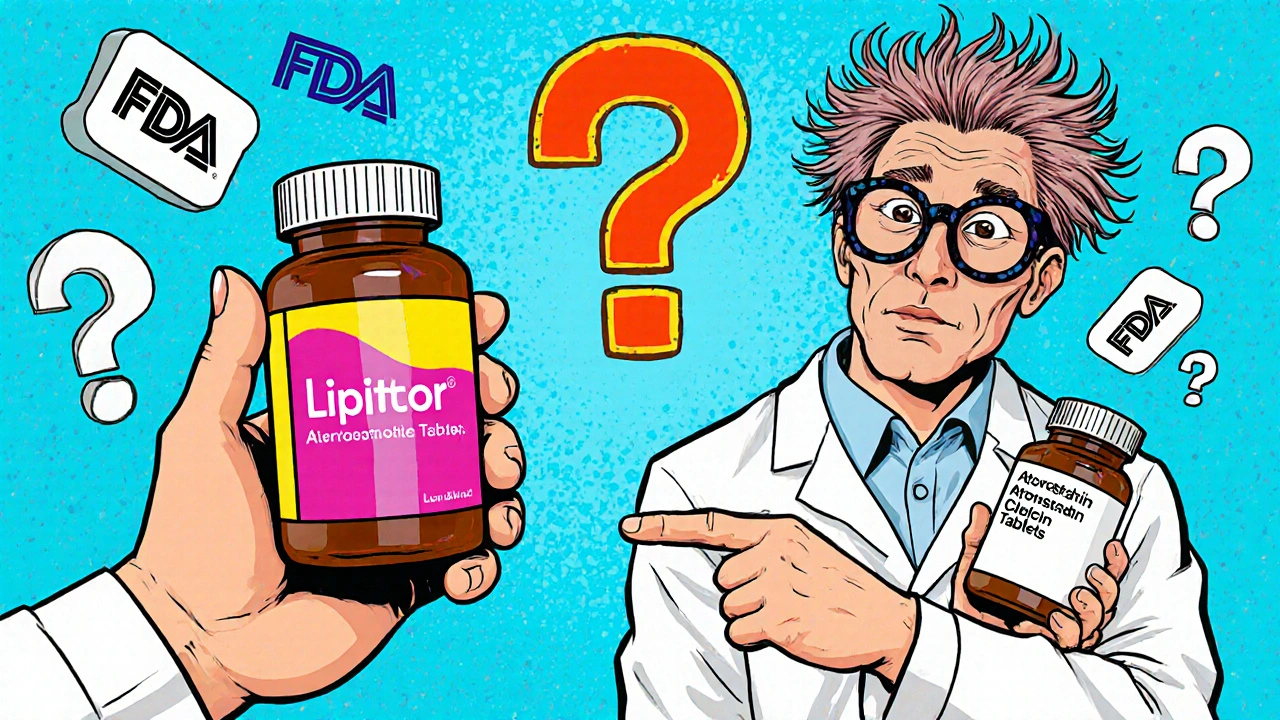
How to Understand Authorized Generics and How They Differ from Traditional Generics
Authorized generics are the exact same drug as brand-name medications, just without the brand label. Learn how they differ from traditional generics in ingredients, cost, insurance coverage, and how to identify them.