Exercise on Beta-Blockers: What You Need to Know Before You Work Out
When you're taking beta-blockers, a class of medications used to lower blood pressure, reduce heart rate, and manage conditions like angina, arrhythmias, and heart failure. Also known as beta-adrenergic blocking agents, they work by blocking the effects of adrenaline on your heart and blood vessels. That’s helpful for your heart—but it also changes how your body responds to exercise. If you’ve been told to stay active but now feel like you can’t push yourself like before, you’re not imagining it. Beta-blockers blunt your heart’s ability to speed up, which means your usual workout intensity might feel harder—or even pointless—because your heart rate won’t climb the way it used to.
This doesn’t mean you should stop moving. In fact, staying active is often part of your treatment plan. But exercise on beta-blockers, requires adjusting your expectations and monitoring your body differently. Your target heart rate zone? It’s not the same as someone not on these meds. A 150 bpm max heart rate might be normal for a healthy 40-year-old, but if you’re on beta-blockers, hitting 120 could be your new peak. That’s okay. The goal isn’t to chase numbers—it’s to move consistently without overloading your heart. Watch for symptoms like dizziness, shortness of breath that doesn’t go away, or chest pressure. These aren’t signs you’re not trying hard enough—they’re signs you might be pushing too hard.
Also pay attention to blood pressure, which beta-blockers help control but can sometimes drop too low during or after exercise. If you feel lightheaded when standing up after a walk or get unusually tired after light activity, your meds and movement might be interacting in a way that needs tweaking. Talk to your doctor about checking your resting and exercise blood pressure. Some people on beta-blockers do better with low-impact activities like walking, swimming, or cycling at a steady pace. High-intensity interval training? It’s not off-limits, but it needs careful planning—and maybe a stress test first.
Don’t confuse fatigue from beta-blockers with laziness. This isn’t about motivation—it’s about physiology. Your body is working under different rules now. That’s why tracking how you feel matters more than tracking calories or steps. Use your breath, your energy level, and your recovery time as your guides. And if you’ve ever wondered why your fitness tracker says you’re "not working hard enough," now you know: it’s not broken. It’s just not built for your heart’s new rhythm.
Below, you’ll find real-world advice from people managing beta-blockers while staying active, tips on timing meds around workouts, and what to do if exercise triggers side effects. These aren’t theoretical tips—they’re from people who’ve been where you are. Whether you’re just starting out or have been on these meds for years, there’s something here that can help you move better, safer, and with more confidence.
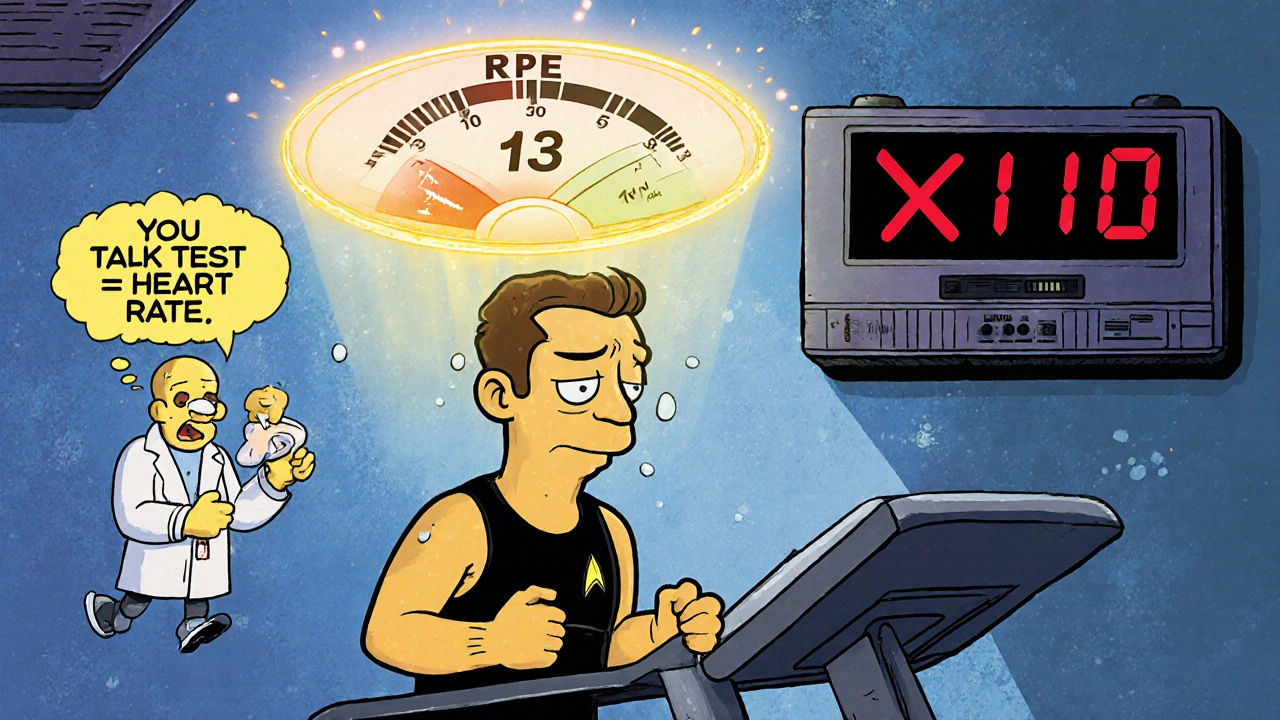
Exercise Modifications for Fatigue on Beta-Blockers and Other Drugs
Learn how to exercise safely when taking beta-blockers. Discover why heart rate monitors don't work, how to use perceived effort instead, and practical tips to beat fatigue without stopping your routine.