Drug Stability: What Keeps Medications Effective and Safe Over Time
When you take a pill, you expect it to work exactly as it should. That reliability isn’t accidental—it’s the result of drug stability, the ability of a medication to maintain its chemical structure, potency, and safety under normal storage and usage conditions. Also known as pharmaceutical stability, it’s what ensures your insulin doesn’t break down in your purse, your antibiotic still kills bacteria after six months on the shelf, and your eye drops don’t turn toxic over time. Without proper stability, even the most carefully designed drug becomes useless—or dangerous.
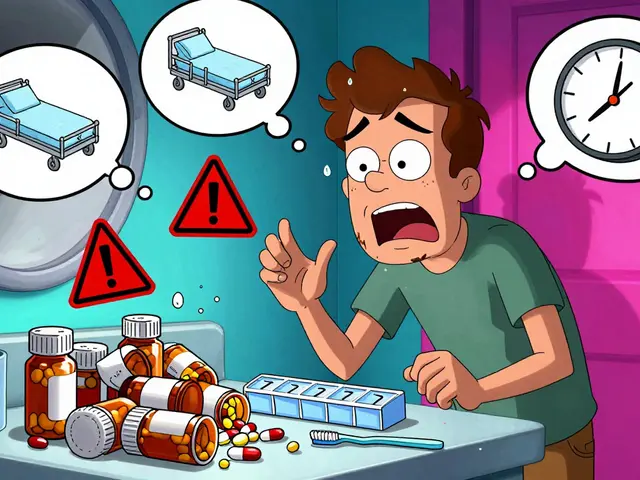
Drug degradation, the chemical breakdown of active ingredients due to heat, light, moisture, or time, is the silent enemy of medication effectiveness. A study from the FDA found that some antibiotics lose over 50% of their potency after just one year past expiration if stored in humid bathrooms. That’s not a myth—it’s science. Heat is the biggest culprit: pills left in a hot car, creams stored near a radiator, or insulin exposed to direct sunlight can all degrade faster than you’d think. Even moisture matters. A bottle of tablets with a loose cap absorbs water from the air, triggering chemical reactions that turn your medicine into something your body can’t use—or worse, something it reacts badly to.
That’s why medication storage, the practice of keeping drugs in cool, dry, dark places away from children and pets, isn’t just a suggestion—it’s a safety rule. Your medicine cabinet isn’t always the best spot. Bathroom humidity, kitchen heat from the stove, or a windowsill bathed in sunlight can all sabotage your treatment. Some drugs, like liquid antibiotics or certain injectables, need refrigeration. Others, like nitroglycerin, must stay in their original glass bottles to prevent air exposure. And expiration dates? They’re not arbitrary. Manufacturers test stability under real-world conditions to guarantee safety and effectiveness up to that date. After that, you’re guessing.
Understanding drug stability helps you avoid treatment failure, accidental overdoses from degraded potency, or allergic reactions from breakdown products. It’s why pharmacists ask if you store your meds in the bathroom. It’s why emergency kits include insulated bags for insulin. And it’s why some generics behave differently than brand-name versions—not because they’re inferior, but because their excipients or packaging affect how they hold up over time.
Below, you’ll find real-world guides on how to time your meds to avoid interactions, how to spot when a drug has gone bad, how to store insulin or antibiotics safely, and why some medications need special handling—whether you’re managing chronic pain, heart disease, or just trying to stay healthy. These aren’t theory pieces. They’re practical, tested tips from people who’ve been there—whether they’re patients, pharmacists, or caregivers. You don’t need a chemistry degree to keep your meds working. You just need to know what to look for—and what to avoid.
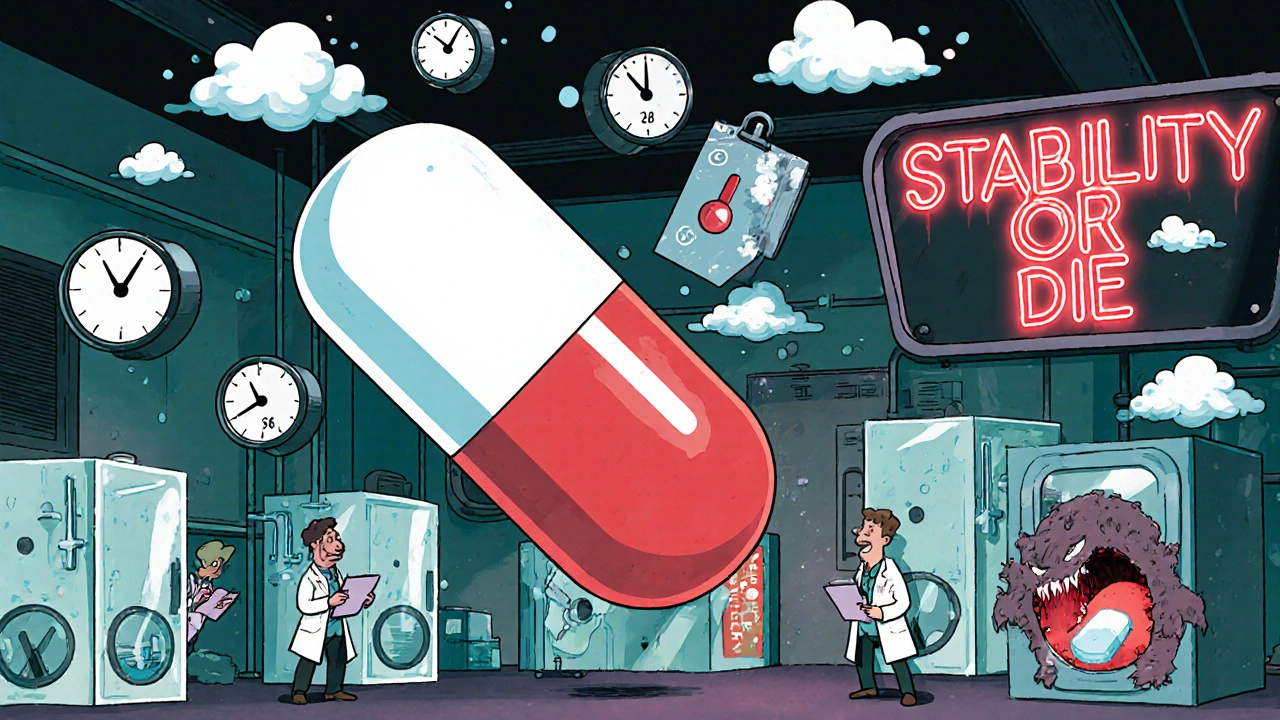
Stability Testing: Long-Term Quality Monitoring Post-Manufacture in Pharmaceuticals
Stability testing ensures pharmaceuticals remain safe and effective over time. It's a rigorous, regulated process that determines shelf life, prevents recalls, and protects patients - backed by ICH guidelines and real-world data.