Corticosteroid Alternatives
When you search for corticosteroid alternatives, medications or therapies that can replace traditional corticosteroids for inflammation control. Also known as steroid‑sparing options, they aim to keep inflammation down while avoiding the classic steroid side‑effects. One popular option is loteprednol, a soft‑steroid eye drop that clears ocular inflammation but breaks down faster, reducing pressure spikes and cataract risk. Loteprednol shows how a modified corticosteroid can keep benefits and drop drawbacks, setting the stage for a broader look at non‑steroid choices.
Common Steroid‑Sparing Options
Another big player in the alternative space is the class of NSAIDs, or non‑steroidal anti‑inflammatory drugs. NSAIDs block prostaglandin production, easing pain and swelling without touching the immune suppression pathways that steroids hit. This makes them a go‑to for musculoskeletal aches, post‑surgical pain, and even certain eye conditions where inflammation is mild to moderate. Pairing NSAIDs with immunomodulators—drugs like methotrexate or mycophenolate—creates a two‑pronged approach: one side curbs the inflammatory cascade, the other steadies the immune response. Together they illustrate the semantic triple that corticosteroid alternatives encompass both NSAIDs and immunomodulators, offering a layered strategy to keep side‑effects in check while still delivering relief.
For patients with severe autoimmune flare‑ups or chronic inflammatory eye disease, biologic therapies enter the picture. These engineered molecules target specific immune signals—like TNF‑α or interleukin‑6—so they can suppress inflammation far more precisely than a steroid blanket. Because they don’t broadly shut down the immune system, biologics reduce infection risk compared with high‑dose steroids. This illustrates another semantic link: biologic therapies offer targeted immune suppression, which influences the choice of corticosteroid alternatives for complex cases. Whether it’s a sub‑cutaneous injection for rheumatoid arthritis or an intravitreal implant for macular disease, biologics expand the toolbox beyond pills and drops, giving clinicians more ways to tailor treatment.
The collection below pulls together articles that break down each of these options in real‑world language. You’ll find a focused look at loteprednol’s safety profile, side‑by‑side comparisons of NSAIDs versus traditional steroids, step‑by‑step guides for using immunomodulators, and deep dives into the latest biologic agents. By the end, you’ll have a clear map of when to reach for a steroid‑sparing drug, how to combine therapies safely, and what to watch for during treatment. Let’s explore the details that will help you decide which alternative fits your health goals best.
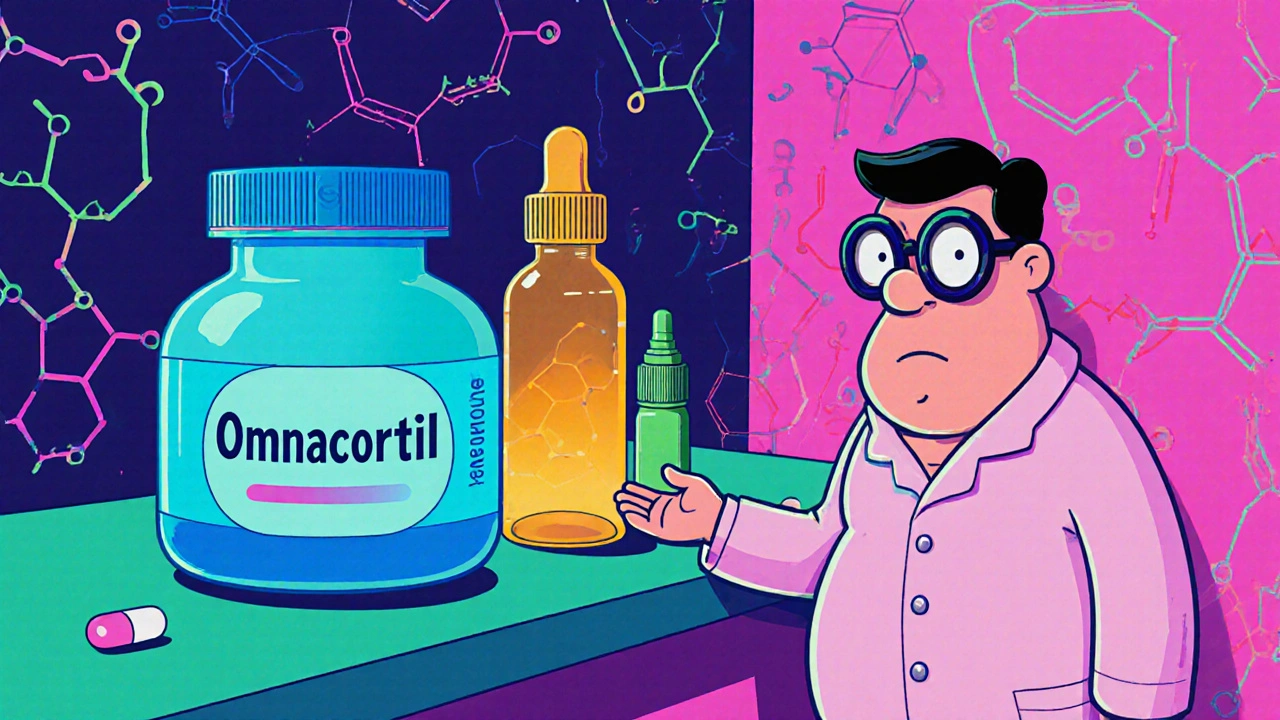
Omnacortil (Prednisolone) vs Other Steroid Options: Detailed Comparison
A practical side‑by‑side comparison of Omnacortil (prednisolone) with other corticosteroids, covering potency, side‑effects, dosing and how to choose the right steroid for your condition.
Recent Post
-

Buy Cheap Generic Zyrtec Online - 2025 Guide
Oct, 9 2025