Antidepressants: What They Are, How They Work, and What You Need to Know
When people talk about antidepressants, medications used to treat depression, anxiety, and sometimes chronic pain or sleep issues by balancing brain chemicals. Also known as mood stabilizers, they aren’t quick fixes — but for millions, they’re the key to getting back on track. Unlike painkillers that shut off a signal, antidepressants work slowly, often taking weeks to show real change. That’s because they’re not just treating sadness — they’re helping your brain relearn how to handle stress, emotion, and even everyday tasks.
There are several main types, and the most common are SSRIs, selective serotonin reuptake inhibitors that increase serotonin levels to improve mood. Also known as serotonin boosters, they include drugs like sertraline and escitalopram. Then there are SNRIs, serotonin-norepinephrine reuptake inhibitors that affect two key brain chemicals at once. Also known as dual-action antidepressants, these include venlafaxine and duloxetine — the same ingredient found in Malegra DXT Plus, which also treats erectile dysfunction. These aren’t just for depression. People use them for anxiety, OCD, PTSD, and even nerve pain. But they don’t work the same for everyone. What helps one person might do nothing for another — or cause side effects like weight gain, sleep issues, or nausea.
Antidepressants often show up in the same conversations as other meds. You might see them mentioned with antipsychotics like clozapine, used when depression doesn’t respond to standard treatment. Or with steroids like prednisolone, which can actually trigger mood changes. And then there’s the risk of mixing them with other drugs — like how naloxone is co-prescribed for opioid safety, or how drug interaction checkers help avoid dangerous combos. That’s why knowing what you’re taking matters. It’s not just about the pill in your hand — it’s about how it fits into your whole health picture.
What you’ll find below isn’t a list of every antidepressant ever made. It’s a collection of real comparisons and practical guides — from how duloxetine works in combo pills, to why some people switch from one SSRI to another, to how side effects like nasal congestion or tremors can be linked to brain chemistry changes. These aren’t marketing pages. They’re answers from people who’ve been there, backed by clinical practice and real-world use. Whether you’re just starting out, stuck on a med that isn’t working, or trying to understand why your doctor suggested a change — this is the info you need, plain and simple.
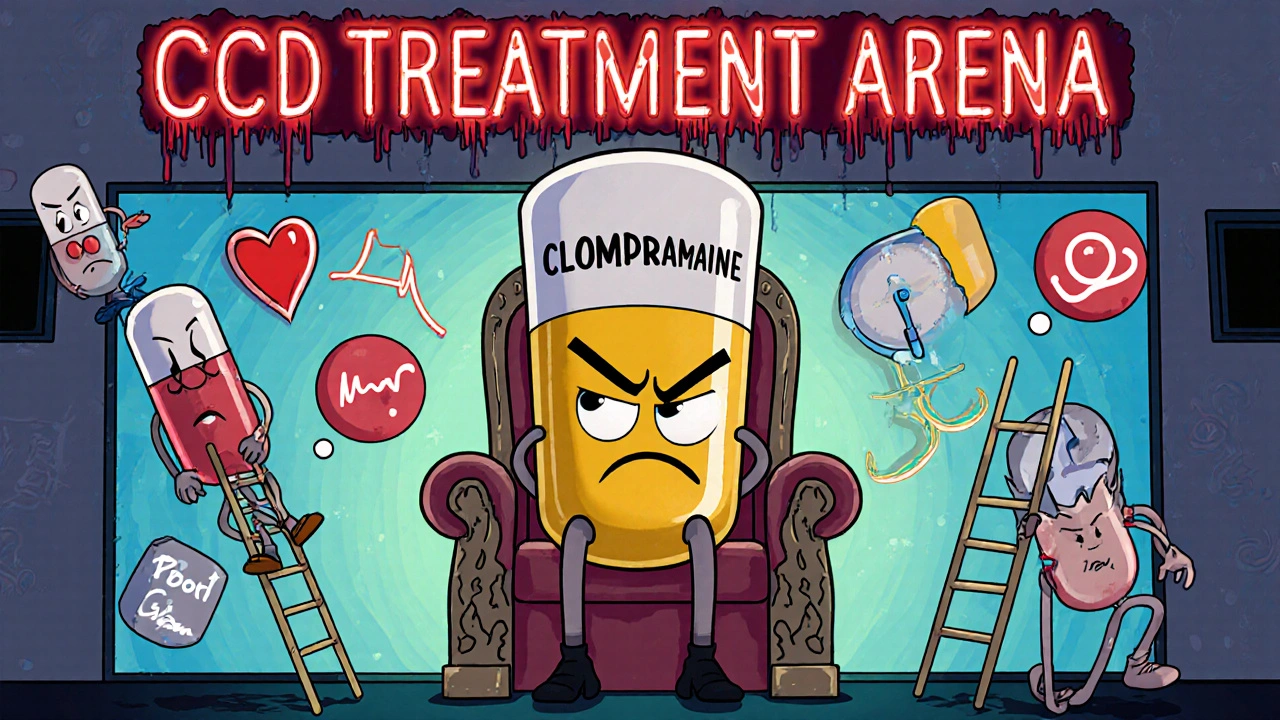
Compare Clofranil (Clomipramine) with Alternatives for OCD and Depression
Clofranil (clomipramine) is effective for OCD and depression but has significant side effects. Learn how SSRIs, SNRIs, and therapy compare as safer, nearly as effective alternatives.
Recent Post
-

How to Spot Post‑Surgery Eye Inflammation in Kids
Oct, 12 2025