Alcohol Interaction: Understanding How Alcohol Affects Your Medications
Ever wondered what really happens if you mix alcohol with your meds? It’s more than just bad advice from your doctor—it can seriously affect how your medications work and might even harm you. Whether it’s prescription drugs, supplements, or over-the-counter medicines, alcohol can change their effects in ways you don’t expect.
For starters, alcohol can mess with how your body absorbs and breaks down drugs. This can either make a medication work too much or not enough. Imagine a painkiller suddenly becoming way stronger because of a drink, leading to dangerous side effects. Or on the flip side, some meds might become weaker, leaving your health issues unchecked.
Common Risks of Mixing Alcohol and Medications
One big risk is increased side effects. Alcohol can amplify drowsiness, dizziness, or difficulty concentrating caused by some medications like sedatives or antidepressants—making activities like driving downright unsafe. There’s also the chance of liver damage, especially if your meds are tough on your liver and you add alcohol to the mix.
Another problem is alcohol interacting badly with blood thinners, diabetes drugs, or antibiotics. For example, combining alcohol with blood thinners can raise bleeding risk, while drinking while on diabetes meds might cause blood sugar swings that are tough to control. These aren’t just warnings—they’re real effects you want to avoid.
How to Stay Safe When Using Medications and Alcohol
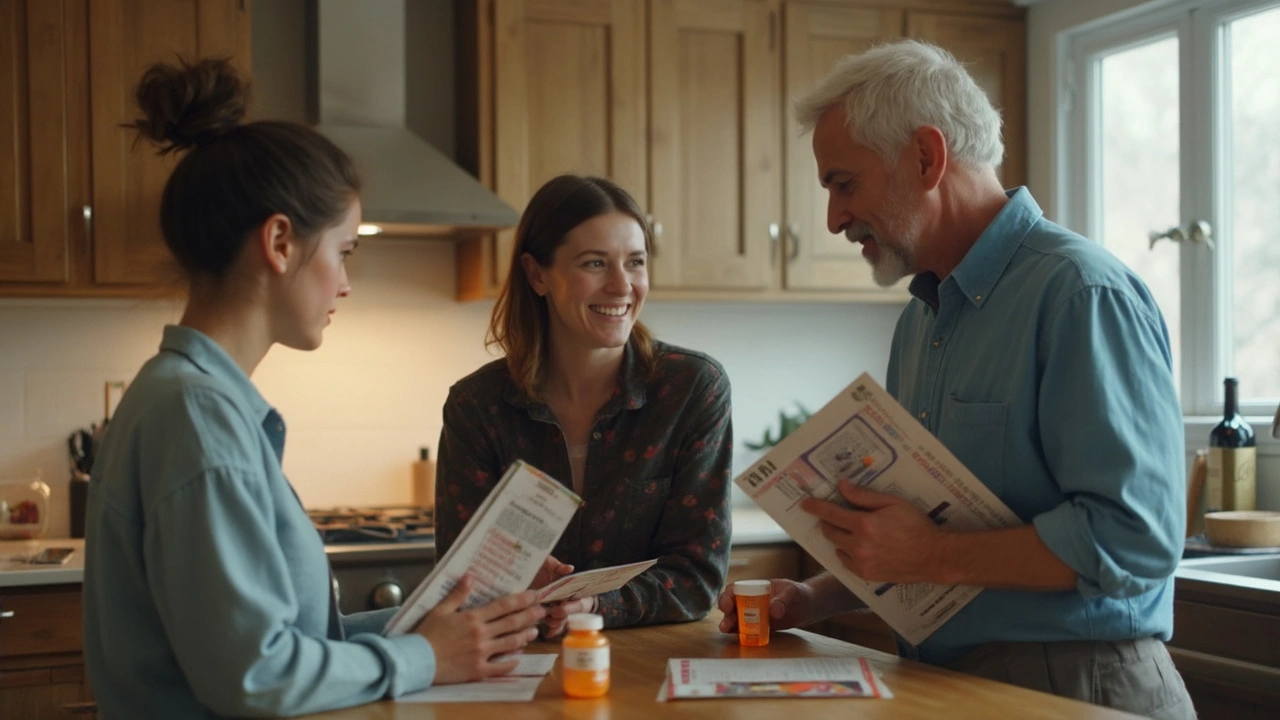
So, how do you handle this? Always read the information that comes with your medication—it often includes warnings about alcohol. When in doubt, talk to your healthcare provider or pharmacist. They can tell you if it’s safe to drink, how much you can safely consume, or if you should skip it altogether.
Also, be honest about your alcohol use when getting new prescriptions. That way, your doctor can pick medications that won’t clash with your drinking habits. And keep an eye on how you feel—if you notice unusual side effects after drinking, don’t ignore them.
In the end, being cautious with alcohol and medications isn’t about cutting all the fun out of life. It’s about understanding the risks so you can enjoy yourself without putting your health on the line. Safe choices mean fewer surprises and a healthier you.
Spironolactone Drinking Guidelines for Heart and Acne: What Patients Need to Know
Get clear, practical advice on drinking while taking spironolactone for heart or acne problems. This article breaks down how alcohol and spironolactone interact, why the risks differ for cardiology and dermatology patients, and what real doctors and studies say. Learn what to avoid, when to call your doctor, and how to manage social situations. If you want the facts, not scare tactics, this guide delivers honest, patient-focused help.