Imagine picking up a prescription for insulin or blood thinners. These aren't just ordinary pills; they are powerful tools that can save your life or cause serious harm if used incorrectly. In the medical world, these are called high-alert medications, defined by the Institute for Safe Medication Practices (ISMP) as drugs with an increased risk of causing serious patient harm when used in error. For years, documenting safety alerts was strictly a job for hospital pharmacists and doctors. But today, patients hold a significant part of the responsibility. With more people managing chronic conditions at home, knowing how to document safety alerts on your personal medication list is no longer optional-it’s a critical survival skill.
The gap between what happens in a hospital and what you do at home is where most errors occur. Hospitals use complex electronic health records with hard-stop verification protocols. You have a notebook, an app, or a printed sheet. If you don’t know which warnings matter and how to record them, you leave yourself vulnerable. This guide breaks down exactly how to identify dangerous risks, document them clearly, and communicate effectively with your care team to keep yourself safe.
Why Documentation Matters More Than You Think
You might think that reading the label on a bottle is enough. It isn’t. Research from the World Health Organization(WHO) shows that properly implemented safety alert documentation can reduce medication errors by up to 50% in clinical settings. While that statistic comes from hospitals, the principle applies to you. When you document a safety alert-like a specific warning about taking a drug on an empty stomach or avoiding grapefruit-you create a "closed-loop" system. This means every time you pick up the pill, you see the warning before you take it.
Without this documentation, alerts get lost in the noise. Dr. Robert Wachter, a prominent physician author, warns that over-documenting everything leads to "alert fatigue." If your list is cluttered with minor side effects like "may cause drowsiness," you might miss the critical warning that says "risk of bleeding." The goal isn’t to write everything down; it’s to document only the high-stakes risks that require immediate action or lifestyle changes.
Identifying High-Alert Medications in Your Cabinet
Not all drugs carry the same weight. To document effectively, you first need to know what you’re looking at. The Joint Commissionrequires accredited healthcare organizations to maintain facility-specific lists of high-alert medications based on the ISMP master list. This master list includes 19 categories of medications. As a patient, you should be particularly vigilant if you are prescribed any of the following:
- Insulin and Antidiabetics: Small dosing errors can lead to coma or death.
- Opioids: Painkillers like morphine or oxycodone can cause respiratory arrest if mixed with other sedatives.
- Anticoagulants (Blood Thinners): Drugs like warfarin or apixaban increase bleeding risk significantly.
- Chemotherapy Agents: Even oral chemo drugs are highly toxic and require precise scheduling.
- Neuromuscular Blockers: Rarely used at home, but if you have a tracheostomy tube, these require strict ventilation monitoring.
If your medication list includes any of these, they are candidates for special documentation. They don’t just go into the general list; they need a dedicated section or visual cue because their margin for error is so slim.
Step-by-Step: How to Document Safety Alerts
Creating a robust medication list involves more than writing names and doses. You need a structure that highlights danger. Here is a practical approach to documenting safety alerts that mirrors professional standards but works for home use.
- Create a Dedicated "Safety Alert" Column: Whether you use a spreadsheet, a notebook, or a digital app, add a column specifically for "Critical Warnings." Do not mix this with general side effects. Reserve this space for instructions that must be followed to prevent harm.
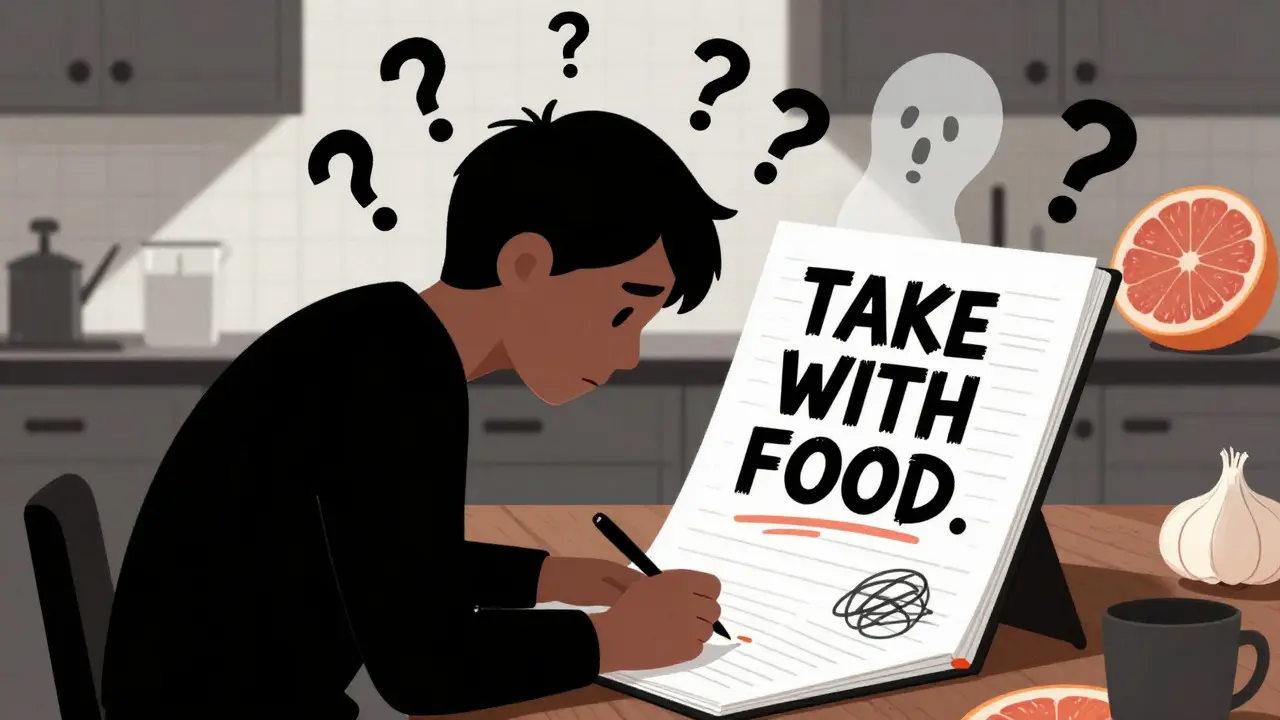
- Use Standardized Language: Avoid vague terms like "be careful." Instead, copy the exact language from the pharmacist or the FDA MedWatchcommunications which release approximately 120 drug safety updates annually. For example, instead of "take with food," write "TAKE WITH FOOD TO PREVENT STOMACH ULCERS." Capitalization helps draw the eye.
- Document Interactions Explicitly: If you take Warfarin, your alert shouldn’t just say "blood thinner." It should say "AVOID GARLIC SUPPLEMENTS AND EXCESSIVE VITAMIN K INTAKE." Specificity saves lives.
- Include Monitoring Triggers: Some alerts are about actions you need to take, not just avoid. For lithium, a common alert is "CHECK BLOOD LEVELS EVERY 3 MONTHS." Documenting this ensures you don’t forget the lab work required to keep the dose safe.
- Review Quarterly: Just as hospital committees analyze error data quarterly, you should review your list every three months. Add new meds, remove discontinued ones, and update alerts based on recent doctor visits.
Digital vs. Paper: Choosing Your Tool
In 2024, the medication safety technology market reached $3.2 billion globally, driven largely by electronic systems. For patients, this translates to apps versus paper. Both have pros and cons regarding safety alert documentation.
| Feature | Paper Notebook | Digital App (e.g., Medisafe, MyTherapy) |
|---|---|---|
| Visibility of Alerts | High (if written in bold/red ink) | Medium (depends on app design) |
| Update Speed | Slow (manual entry) | Fast (syncs with pharmacy data) |
| Error Risk | Low (no tech glitches) | Medium (battery dead, app crash) |
| Sharing with Doctors | Difficult (must show physical book) | Easy (export PDF or share link) |
| Cost | $0 - $5 | $0 - $10/month |
If you choose digital, ensure the app allows custom notes. Many standard apps only track dosage times. You need one that lets you attach a "warning" tag to a specific medication. If you prefer paper, use a highlighter. Yellow for "Take with food," Red for "Do not drive if dizzy." Visual cues bypass cognitive load when you’re tired or stressed.
Communicating Alerts to Your Care Team
Your documented list is useless if your doctor doesn’t see it. Studies show that 62% of hospitals struggle to incorporate external safety alerts into their internal systems. As a patient, you bridge this gap. Bring your updated list to every appointment. Specifically, point out any new alerts you’ve added since the last visit.
Ask your pharmacist to verify your documentation. Pharmacists are trained in ASHP Guidelineson Preventing Medication Errors. They can tell you if your "Safety Alert" column is missing a critical interaction. For instance, if you document that you take St. John’s Wort, a pharmacist will immediately flag its interaction with many antidepressants and birth control pills. Make them a partner in your documentation process.
Avoiding Common Pitfalls
Even well-intentioned patients make mistakes in documentation. Here are the most common errors to avoid:
- Overloading the List: Don’t document every possible side effect listed in the package insert. Focus on the top 3 most severe risks. If you write too much, nothing stands out.
- Ignoring OTC Drugs: Over-the-counter medications like ibuprofen or antacids can trigger safety alerts for prescription drugs. Document them alongside your prescriptions.
- Failing to Update After Discharge: Hospital stays often introduce new high-alert meds. Before leaving the hospital, ask for a printed discharge summary and transfer those specific safety warnings to your permanent list immediately.
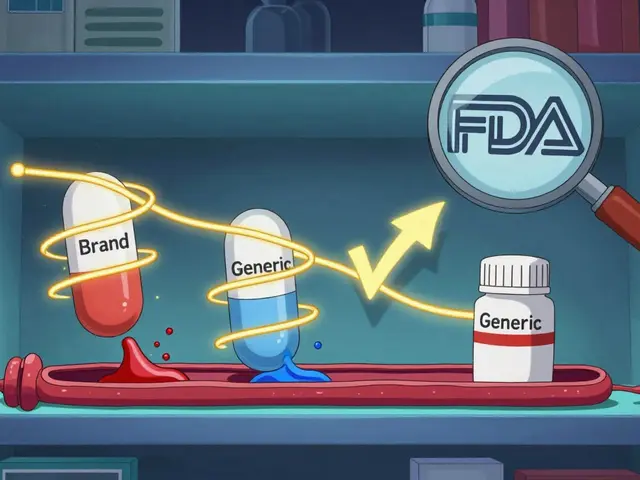
- Assuming "Generic" Means Same Warnings: While active ingredients are the same, fillers can cause different reactions. Always re-document alerts when switching brands or manufacturers.
The Future of Personal Medication Safety
We are moving toward a future where documentation is automated. The FDA’s Sentinel Initiative now provides automated safety alert feeds that integrate with hospital systems. Soon, consumer-facing apps may pull this data directly. Imagine your phone vibrating with a notification: "New safety alert for Lisinopril: Risk of angioedema. Check for swelling." Until then, however, manual documentation remains your best defense. By treating your medication list as a living safety document rather than a static inventory, you take control of your health outcomes.
What is a high-alert medication?
A high-alert medication is a drug that has an increased risk of causing serious patient harm when used in error. Examples include insulin, opioids, anticoagulants (blood thinners), and chemotherapy agents. These drugs require extra caution and specific safety checks during administration.
How often should I update my medication safety list?
You should review and update your medication list at least quarterly (every three months). Additionally, update it immediately after any doctor’s visit, hospital discharge, or change in prescription status. Regular reviews ensure that new interactions or safety alerts are captured promptly.
Should I document over-the-counter (OTC) medications?
Yes, absolutely. OTC drugs like ibuprofen, aspirin, and herbal supplements can interact dangerously with prescription medications. Documenting them allows you and your healthcare providers to check for potential conflicts and adverse effects.
What is the difference between a side effect and a safety alert?
A side effect is a common, often mild reaction (like drowsiness). A safety alert refers to a rare but severe risk that requires immediate action or avoidance of certain activities (like bleeding risk with blood thinners). Focus your documentation on safety alerts to prevent alert fatigue and prioritize critical information.
Can digital apps replace paper medication lists?
Digital apps offer convenience and automatic reminders, but they rely on battery power and internet connectivity. Paper lists are always accessible. Many experts recommend using both: a digital app for daily tracking and a printed paper list for emergency situations or quick reference by family members.