Weight loss supplement guide
When exploring weight loss supplement, a product meant to help the body shed fat by tweaking hunger signals, metabolism, or calorie absorption. Also known as diet pill, it has become a common tool for people aiming to trim down without drastic diet changes. Weight loss supplement users often ask: does it really work, or is it just hype? The answer lies in understanding the core actions these products perform—curbing appetite, boosting metabolism, or limiting nutrient uptake. That's why we treat the supplement as a small part of a larger weight‑management plan, not a standalone miracle.
One popular natural hoodia, a cactus‑derived extract used to curb cravings works by signaling satiety to the brain. Studies show it can reduce calorie intake by up to 15% when taken before meals. Hoodia is often grouped with other appetite suppressants, ingredients that lower the desire to eat such as glucomannan, 5‑HTP, or green tea catechins. These compounds act on different pathways—some affect gut hormones, others influence neurotransmitters—yet they share the same goal: make you feel full sooner. In practice, people combine hoodia with a fiber‑rich suppressor to create a layered effect that keeps late‑night snack attacks at bay.
Beyond curbing hunger, many formulas add metabolism boosters, compounds that increase the rate at which the body burns calories. Caffeine, for example, raises basal metabolic rate by 3–4% and improves fat oxidation during exercise. Green tea catechins and capsaicin from chili peppers work similarly, turning everyday activities into mini‑calorie‑burn sessions. The semantic link is clear: weight loss supplements encompass metabolism boosters, and metabolism boosters influence calorie burning. When paired with light cardio, these ingredients can add a noticeable edge to your total daily energy expenditure.
Because these products sit in a regulatory gray zone, quality control is essential. Look for third‑party testing, transparent ingredient lists, and clear dosage instructions. Overdosing on stimulants can cause jitteriness, while excessive fiber from some suppressors may lead to bloating or constipation. A balanced approach—starting with a low dose, tracking how you feel, and adjusting gradually—helps you reap benefits without side effects. Remember, they require proper dosage to avoid adverse reactions, and you should always consult a healthcare professional if you have underlying conditions.
Weight loss supplements work best when paired with a modest calorie deficit and regular movement. They aren't magic pills; they simply tip the scales in your favor. Athletes, busy professionals, and anyone struggling with late‑night snacking can find a niche product that fits their lifestyle. The key is picking a supplement whose primary action aligns with your personal challenge—whether that's battling cravings, boosting metabolism, or enhancing workout recovery. By matching the supplement’s main function to your specific hurdle, you set yourself up for sustainable results.
What to look for in a weight loss supplement
Check the label for clinically studied doses of hoodia, caffeine, or green tea extract. Verify that the product has been tested for contaminants and that the manufacturer provides a batch‑specific certificate of analysis. Consider the supplement’s purpose: if appetite is your biggest obstacle, focus on suppressors; if you hit a metabolic plateau, lean toward boosters. Combining the right ingredient with a sensible diet and regular activity creates a synergistic effect that many people overlook.
Below you’ll discover a hand‑picked collection of articles that dive deeper into specific ingredients, compare popular options, and give practical buying tips. Use them as a roadmap to choose the right product, understand how each component works, and apply safe usage strategies for the best possible outcome.
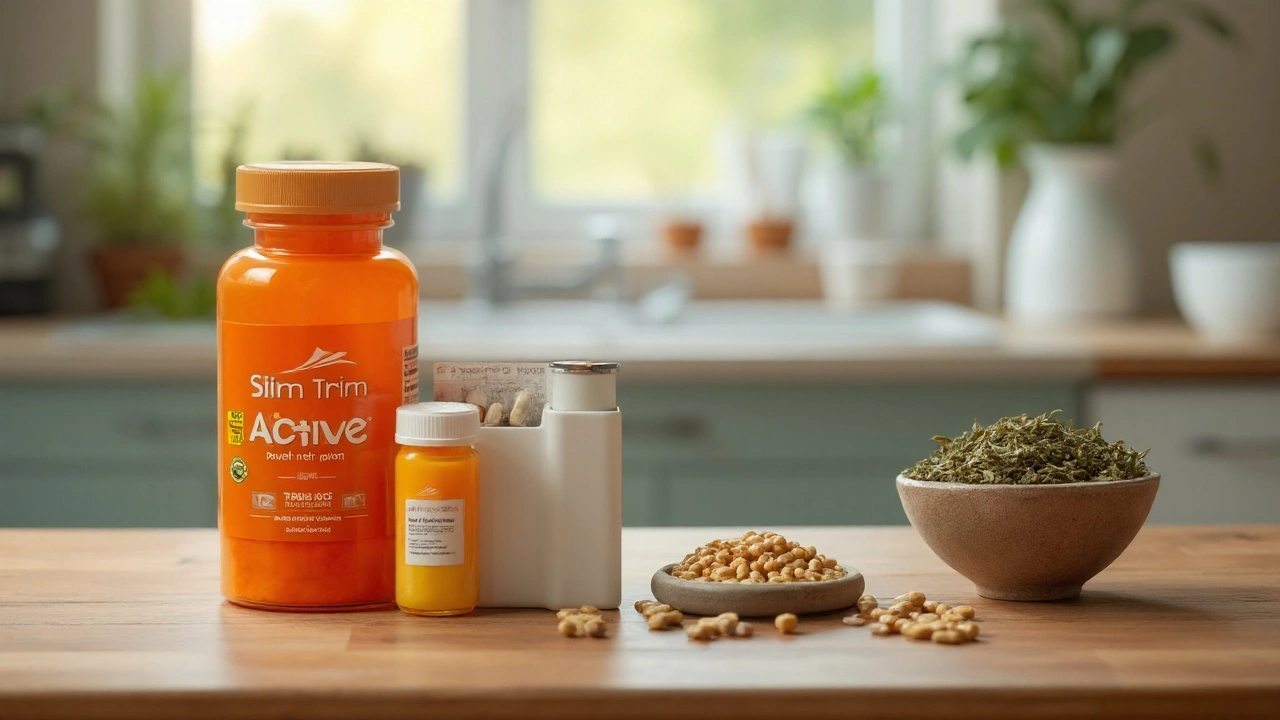
Slim Trim Active (Orlistat) vs Popular Weight‑Loss Alternatives: Deep Comparison
An in‑depth comparison of Slim Trim Active (Orlistat) with prescription, over‑the‑counter and herbal weight‑loss options, covering mechanism, efficacy, safety and cost.
Recent Post
-
Buy Cheap Generic Cymbalta Online - Guide & Tips
Oct, 6 2025