Warfarin and Supplements: What You Need to Know Before Taking Them Together
When you're on warfarin, a blood thinner used to prevent dangerous clots in people with atrial fibrillation, artificial heart valves, or a history of deep vein thrombosis. Also known as Coumadin, it's one of the most commonly prescribed anticoagulants worldwide. But what you take with it — even something as simple as a multivitamin — can change how well it works. Warfarin doesn’t just interact with other drugs. It reacts strongly with common supplements, over-the-counter products like herbal extracts, vitamins, and minerals that people often assume are harmless. A small change in your daily routine can send your INR (a blood test that measures how long it takes your blood to clot) shooting up or crashing down — and either way, it puts you at risk.
Some supplements boost warfarin’s effect. Vitamin K, a nutrient that helps your blood clot naturally is the biggest one. If you suddenly eat more kale, spinach, or broccoli — or take a supplement with vitamin K — your INR drops. Your blood clots faster. That’s dangerous if you’re on warfarin to prevent strokes or clots. On the flip side, garlic, fish oil, and ginkgo biloba can make warfarin stronger. One study found that people taking garlic supplements while on warfarin had INR levels rise by over 30% in just a few days. That’s not a small bump — that’s a red flag. Even something as common as cranberry juice has been linked to bleeding episodes in people on warfarin. And don’t assume natural means safe. Herbal products like St. John’s wort, ginseng, and green tea extract all interfere with how your body breaks down warfarin.
The problem isn’t just what you take. It’s when you start, stop, or change the dose. People often add a supplement because they feel tired, want better sleep, or think it’ll help their joints. They don’t tell their doctor. They don’t check the label. And then their INR test comes back abnormal. That’s when the panic starts. The good news? You can manage this. Consistency is everything. If you eat spinach every day, keep eating it. If you take a daily omega-3, keep taking it — but tell your provider. Never start or stop a supplement without talking to your pharmacist or doctor first. They can check for interactions using real-time databases, not guesswork. And if you’re going on vacation, switching brands, or starting a new diet, get your INR checked before you make the change.
Below, you’ll find real, practical advice from posts written by people who’ve been there — whether it’s how vitamin K levels swing with seasonal eating, why fish oil isn’t always safe even if it’s "heart-healthy," or what to do when your pharmacy flags a supplement you’ve been taking for years. These aren’t theory pieces. They’re lived experiences and tested guidelines. You don’t need to memorize every interaction. You just need to know what to ask, what to watch for, and how to keep your numbers stable — so you stay out of the hospital and live well.
Questions to Ask Before Taking Any Supplement with Medicines
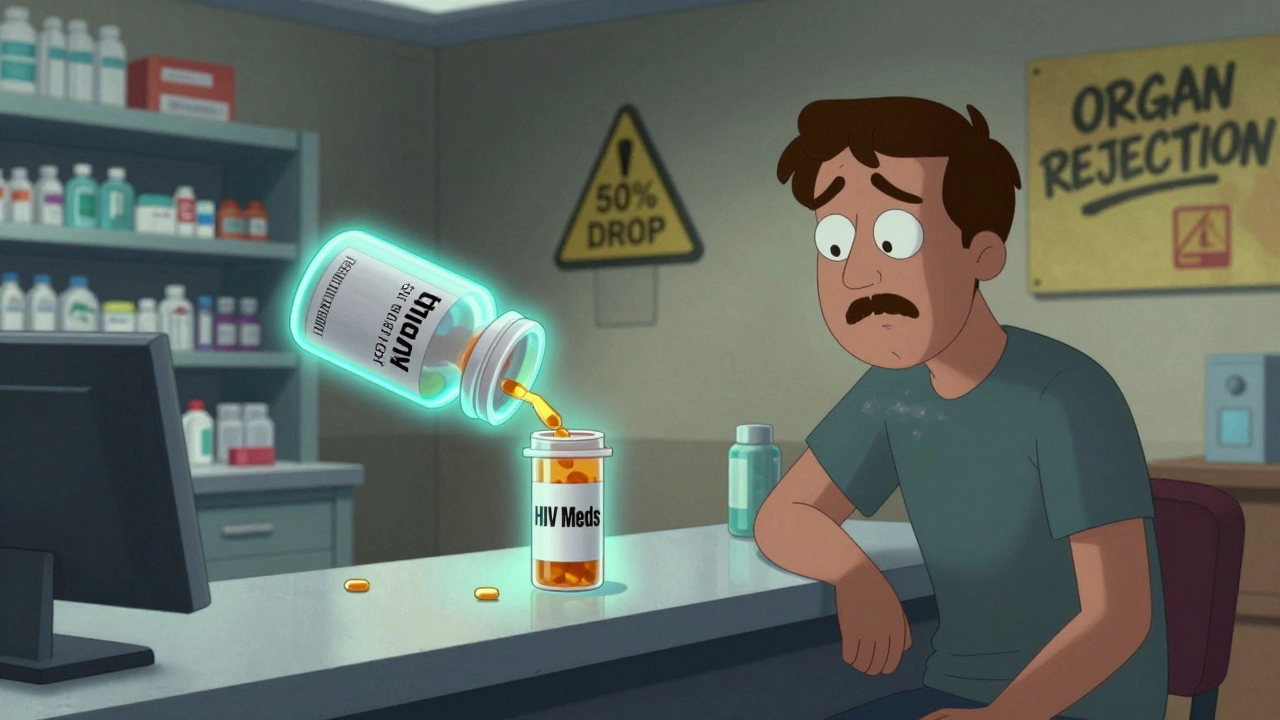
Many people take supplements with their medications without knowing the risks. St. John’s wort, ginkgo, and even vitamin E can interfere with drugs like blood thinners, birth control, and HIV meds. Learn the critical questions to ask before combining any supplement with medicine.